
By Sreeparna Chattopadhyay & Elena Beregow
 ©
© Pexels / Roman Koval
Against the backdrop of the heatwave that occurred in Europe in June 2026, Sreeparna Chattopadhyay and Elena Beregow reflect on the impact of extreme heat on our social lives. Contributions at the workshop ‘Heat and Health’ highlighted how differences in heat vulnerability are connected with inequalities and why protection against heat is a matter of governance.
Sreeparna Chattopadhyay is Associate Professor at the Manipal Law School (India) and was a Senior Fellow at the College for Social Sciences and Humanities from March to August 2026. Elena Beregow is Junior Professor at the College and leads the research group ‘Sweat – Sociology of Transpiration in the Age of Global Warming’. They collaborated as tandem partners on the project ‘Hot-takes and Cold Politics – The Politics of Public Knowledge Production on Climate, Heat, and Gender’.
 ©
© Pexels / Roman Koval
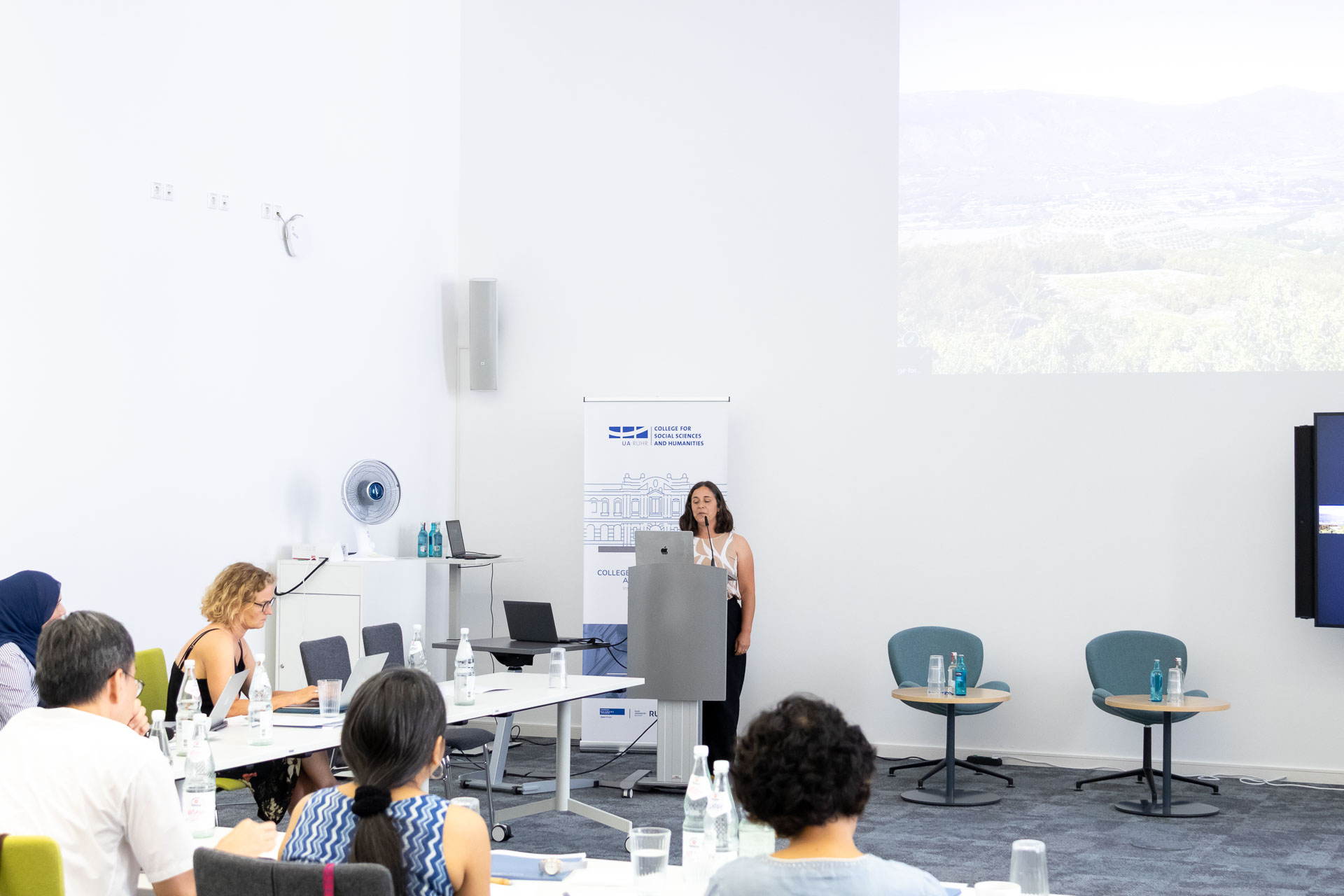
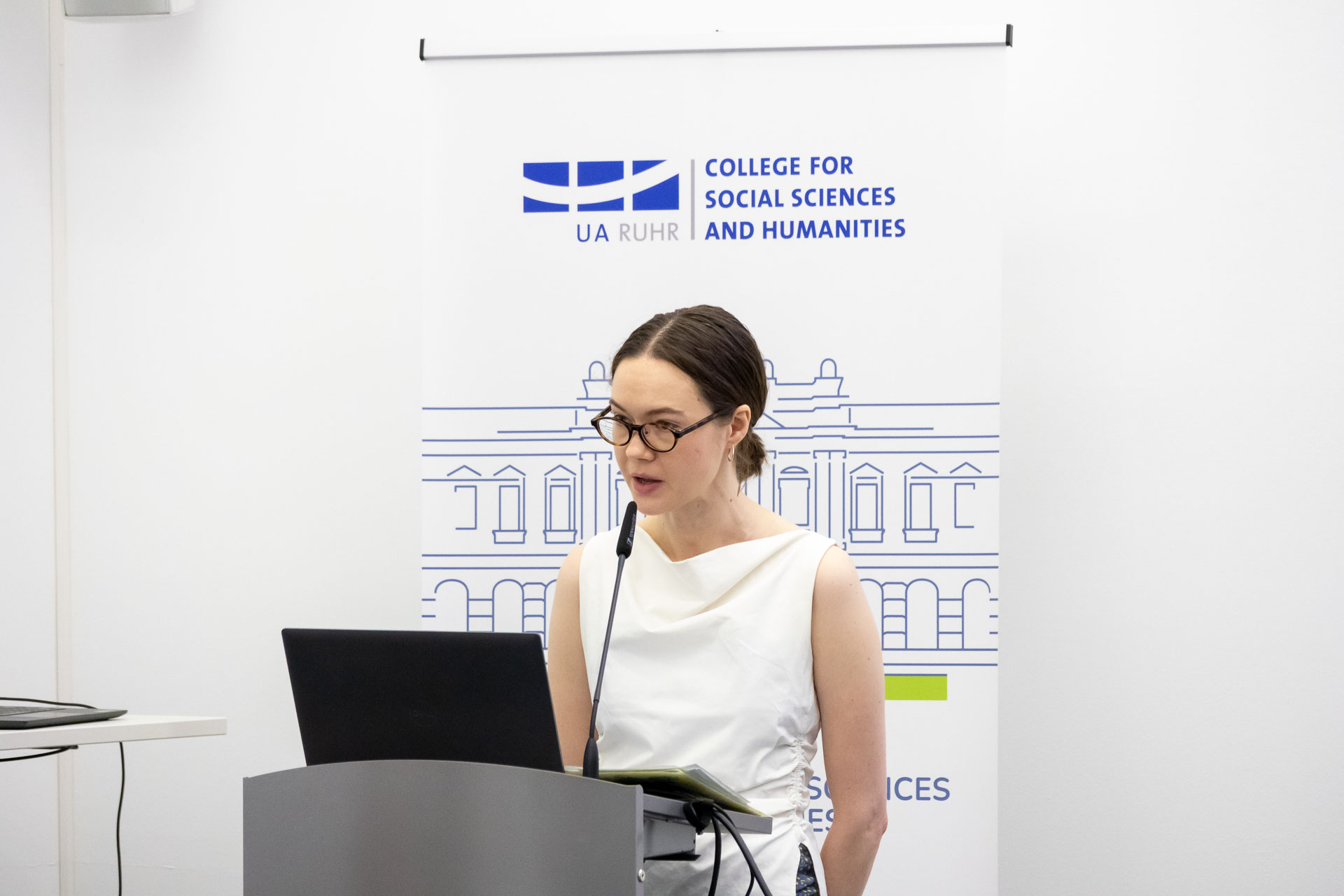
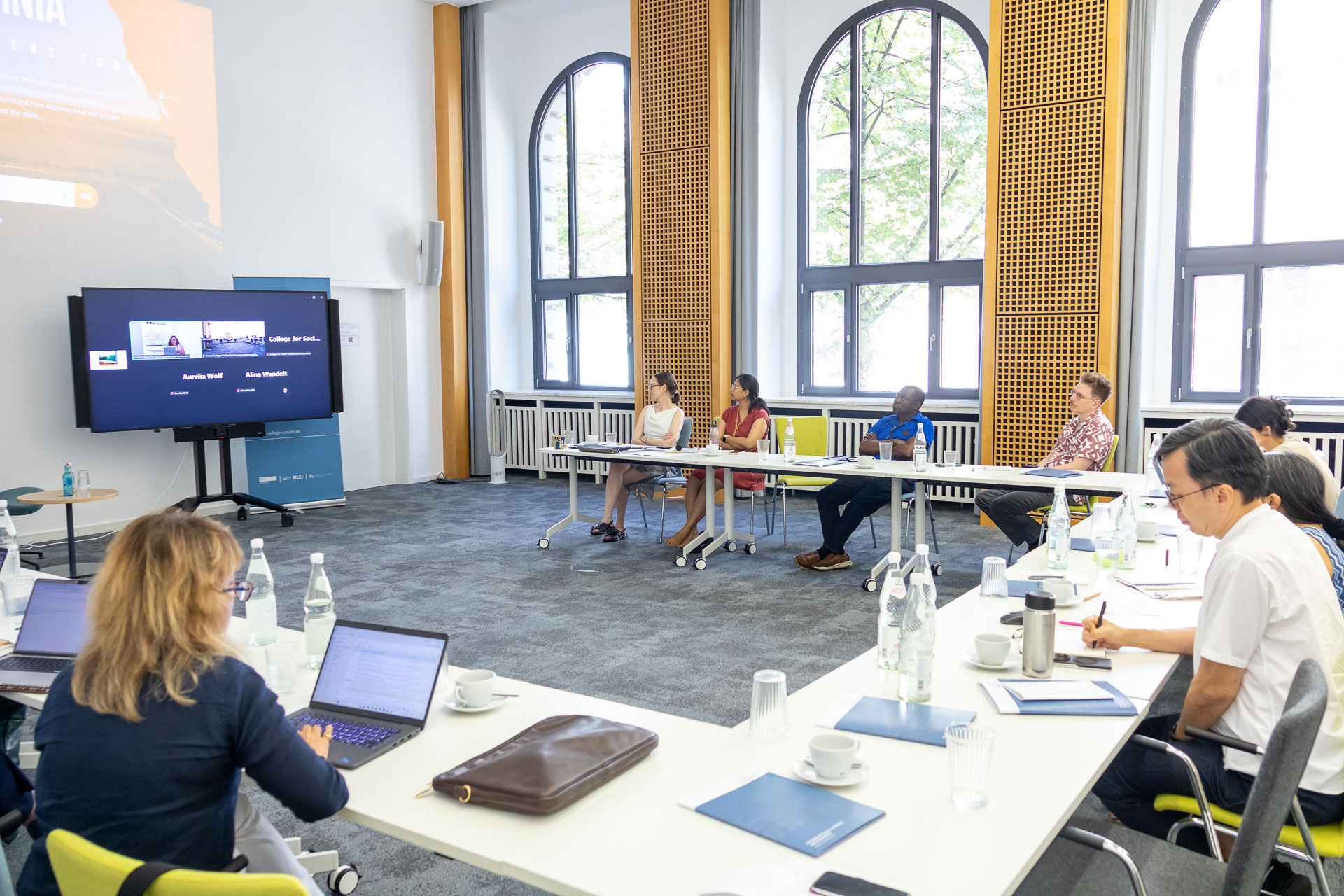
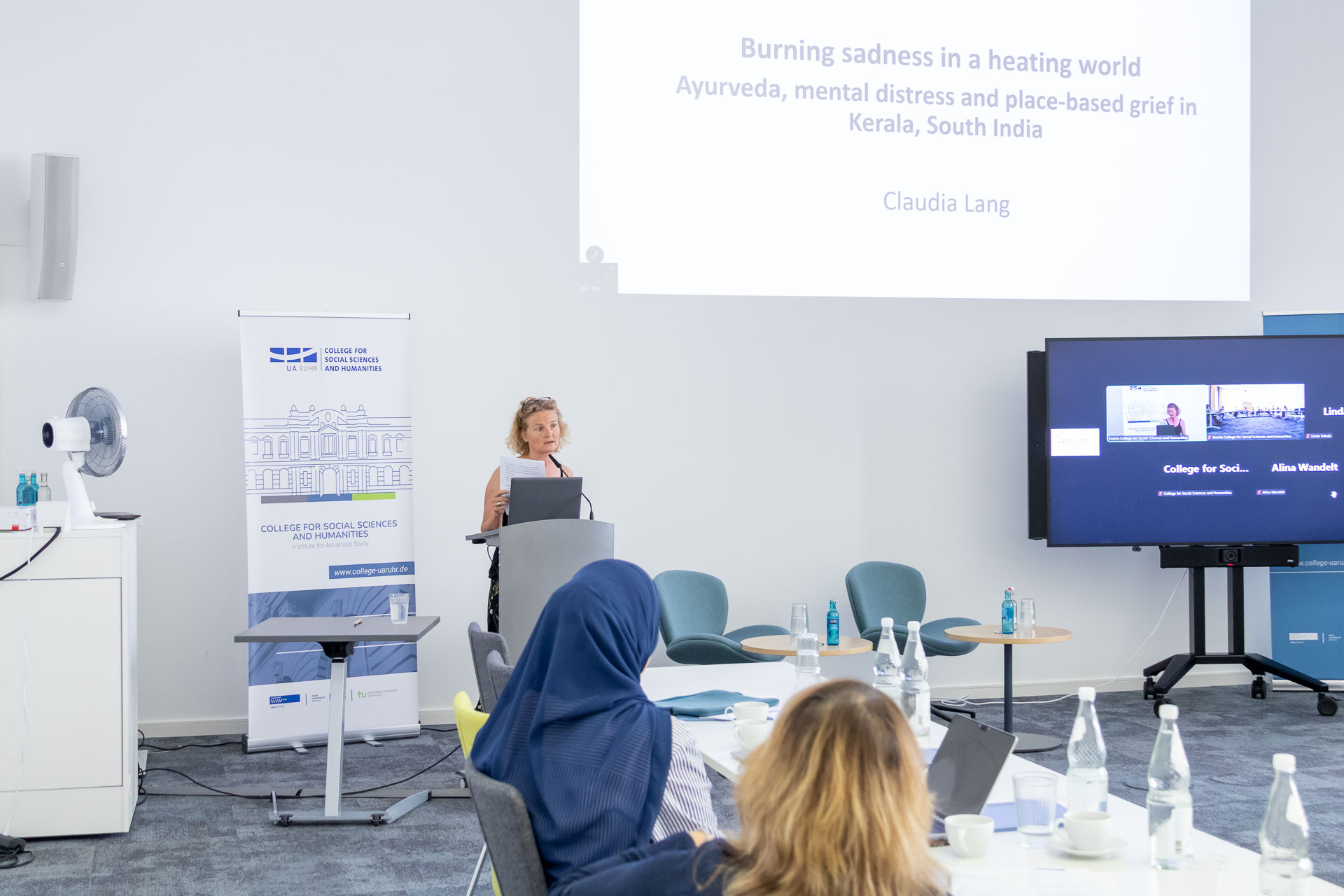
Our workshop on ‘Heat and Health: Bodies, Environments, and Unequal Thermal Worlds’ at the College for Social Sciences and Humanities of the University Alliance Ruhr could not have been held at a more apropos time. The week of 21st to 28th June was one of the hottest weeks on record in Europe and in Germany. Images of roads and traffic signals melting flooded the internet and we were worried about travel as there were widespread cancellations of trains due to the heatwave. On the morning of our workshop on the 26th, the organising team was scrambling to get fans to ensure that participants were comfortable. It would emerge later that 26th June was the hottest day of the year in Essen at 38 degrees Celsius.
The worry that it was too hot for people to be able to work dominated the thoughts of the organisers. This was not an ordinary worry – a few years ago, this concern would never have surfaced in our consciousness. But this year we had to include heat as the first item in our list of contingencies. We sweated through our two dinners and instead of lingering after our meals, as is the convention in academic workshops, we chose to leave the clammy heat of the restaurants – at least for our external participants there was the prospect of refuge and rest in the air-conditioned environs of their hotels.
For those of us who lived at home, like Sreeparna, even three cold showers a day and a pedestal fan were insufficient to allow the body to rest and recover as the mercury kept rising with an average of 60 percent humidity, making the heat feel much worse. In fact, as the chart indicates, the average high for that month – just below 24 degrees – was less than the minimum temperature for that particular day.
For researchers, their subject of research is often examined at a distance, removed from the self. But for those of us who work on heat, the distinctions between what is subjective or objective, or what we feel and what we think, are less clear. Drawing on Descartes’ famous statement, “Cogito, ergo sum” – “I think, therefore I am”, in the era of extreme heat, we might instead say: “Sentio, ergo sum” – “I feel, perceive, experience, therefore I am.”
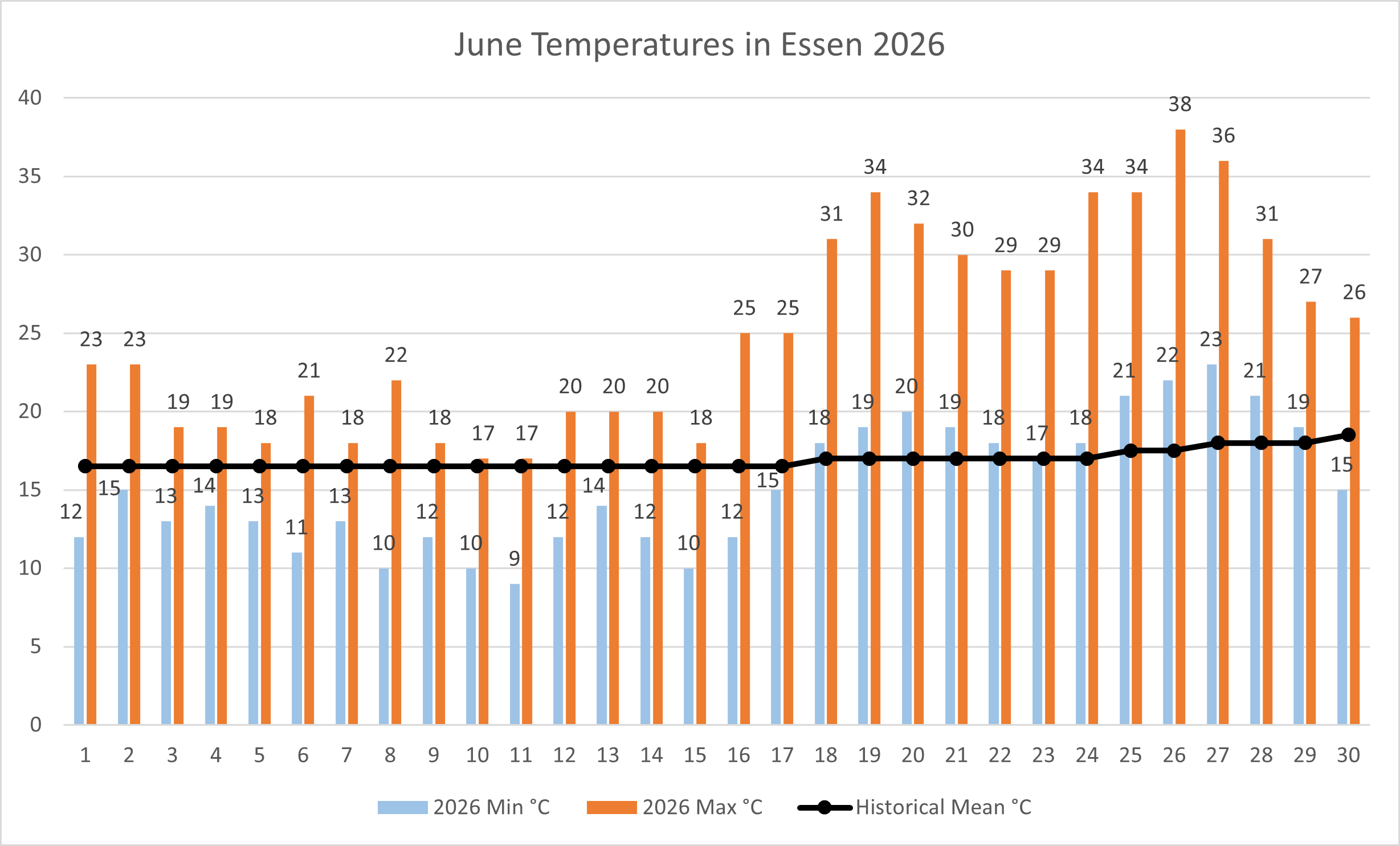
Graph created using temperature data provided by AccuWeather:
https://www.accuweather.com/en/de/essen/45127/june-weather/170373?year=2026
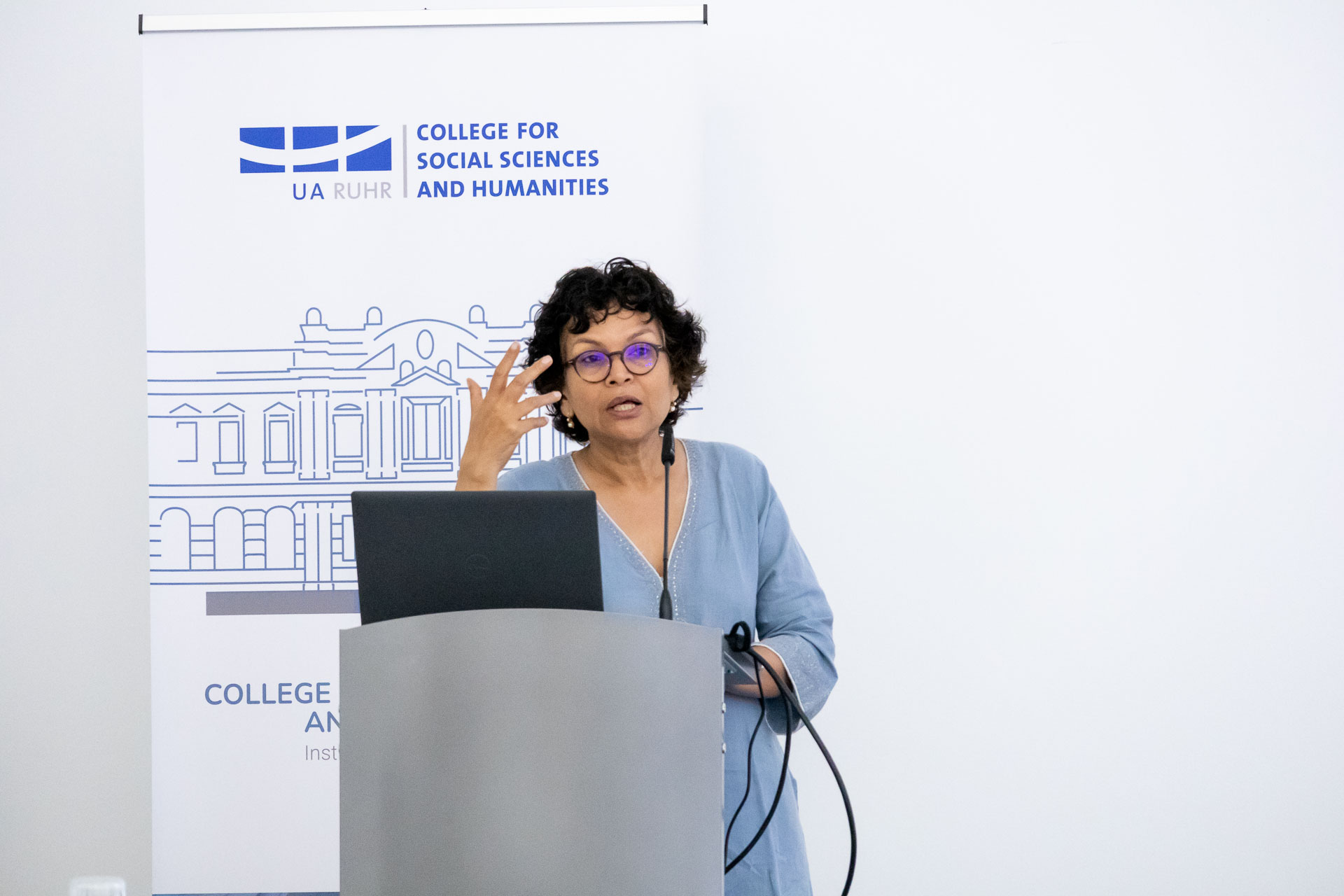
Critically, the average lows for the month had breached the historical average lows, suggestive of a rise in night-time heat. This is an important indicator, as one of the workshop participants, environmental anthropologist Amita Baviskar argued, because it does not allow people to sleep, rest and recover during the night, worsening the thermal burden on the human body. Her research based on the autobiographical writings of poorer women living in inadequate housing in Delhi, the capital of India, which has the notoriety for extremely high summer temperatures and air pollution, revealed the embodied distress of living with high temperatures where homes function like ovens. The materials used to build homes, the increase in ambient temperature because of the way in which cities are built in India, and the caregiving and gendered expectations from poorer Indian women do not give them sufficient opportunities to regulate their own cooling (cooling autonomy). Cooling mechanisms such as water are often in short supply and cooling clothes such as cottons are too expensive, leading to sweat that refuses to evaporate from the skin.
Nidhi Jamwal, a climate journalist, showed us what extreme water scarcity does to the health of poor women in drought-affected areas of Western India that also face extreme summer heat. A haunting image of several women sitting with empty matkas (vessels to hold water) inside a dried well was a blazing reminder of thermal and water inequities around the world.
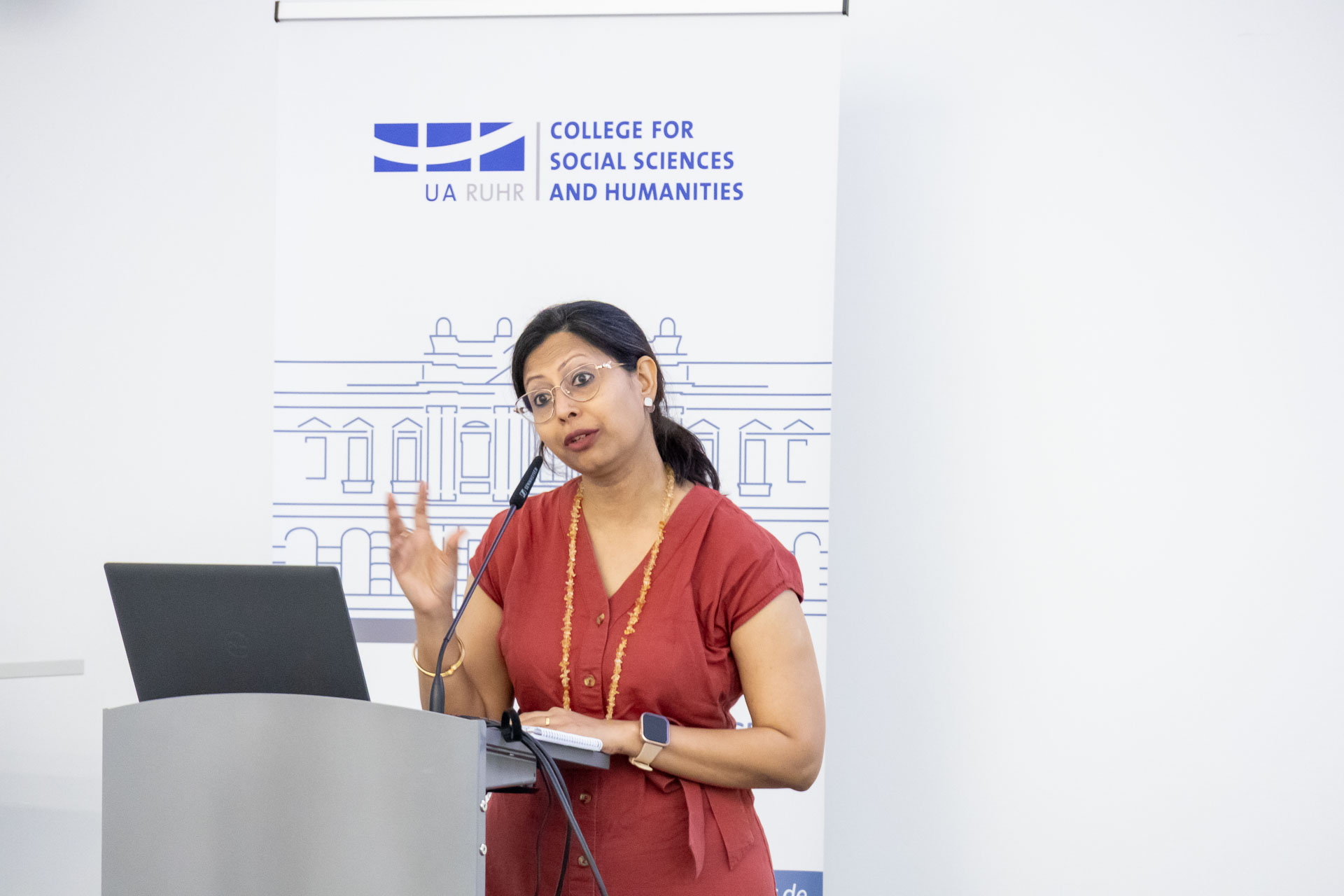
Nausheen Anwar’s work in Karachi, Pakistan, added another layer to these discussions by showing how coping with heat also depends on everyday infrastructures such as electricity, water, ventilation and housing. Her research shows that heat vulnerability may also be energy vulnerability: Households in her study experienced an average of nine hours of electricity load-shedding per day in summer, precisely when fans and other cooling devices were most needed. Adeela Zaka’s work on ‘thermal bodies’ in urban Pakistan similarly highlighted how sweat and bodily strain are unevenly distributed across class, labour and gender, raising the question of which bodies are protected from heat and which are simply expected to endure it.
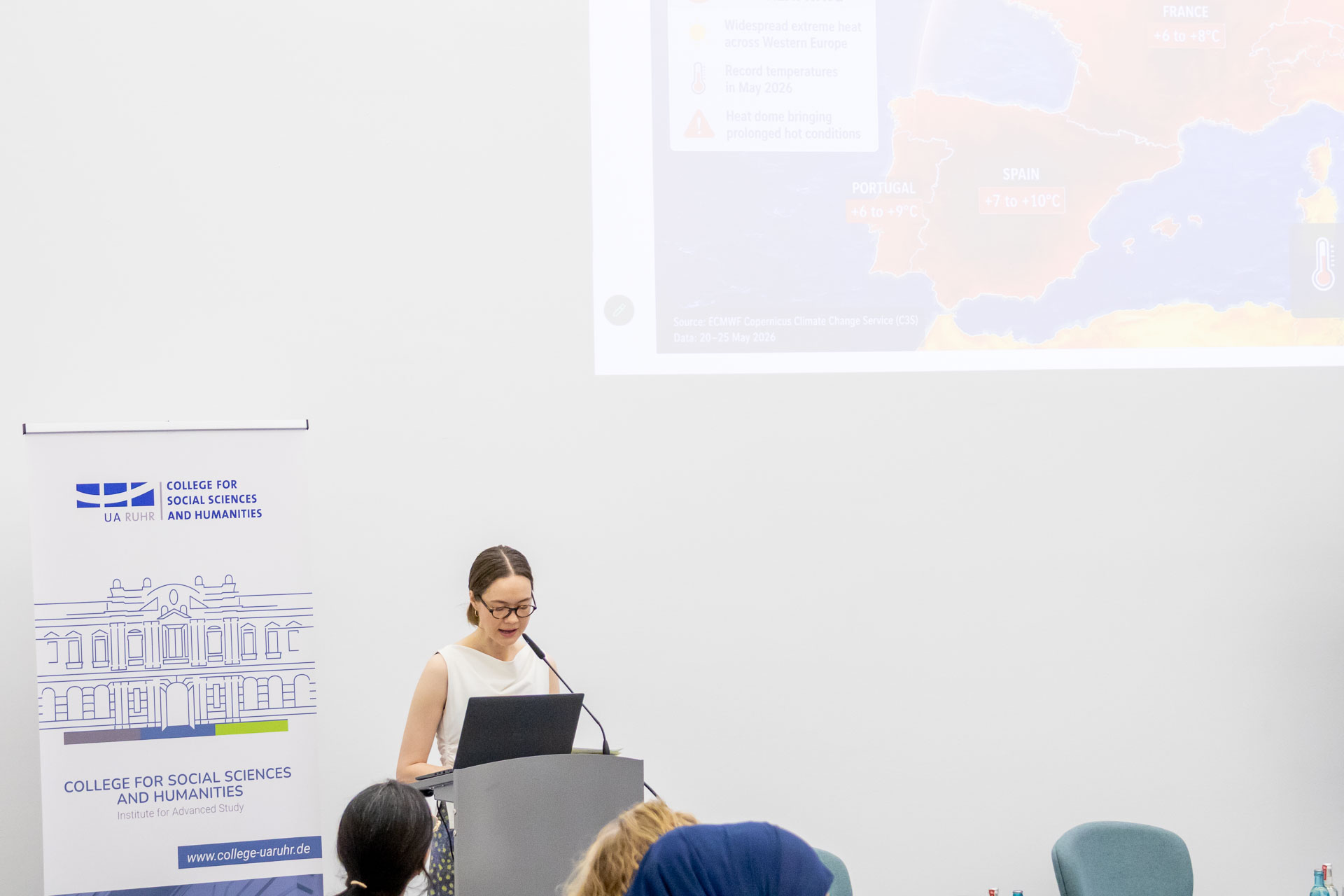
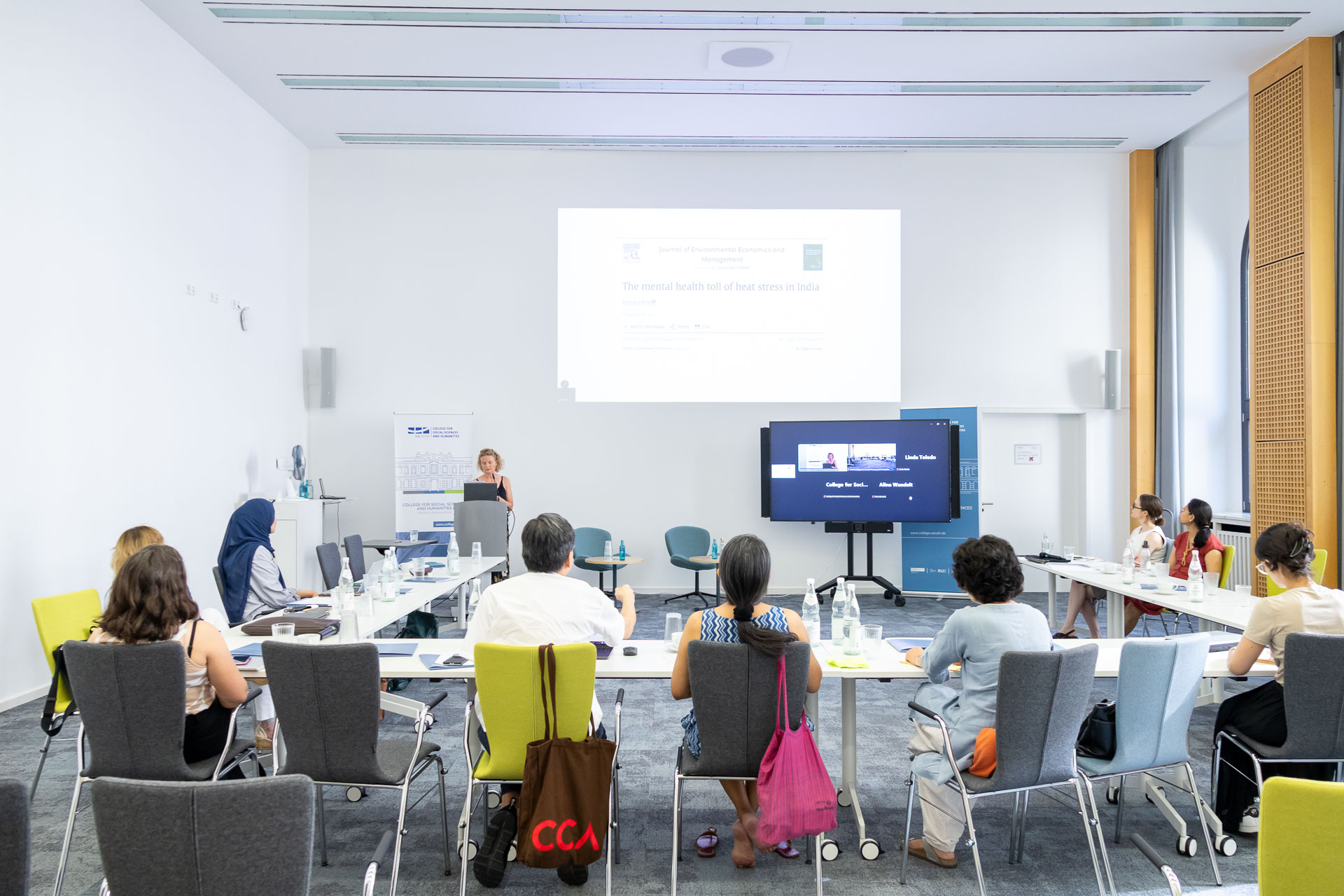
This brings us back to the question of how to make these thermal inequalities visible. A death attributed to heat is only the most obvious endpoint of a much broader thermal burden. Heat rarely appears as an isolated cause: it worsens existing conditions such as inadequate housing or interrupted electricity and water supplies. In contexts like Pakistan and India, counting those who have died due to heat-related illnesses remains a contested issue because governments are often reluctant to admit failures and data collection systems continue to be fragmented and unreliable.
Fortunately for us at the workshop, we were in an old building with high ceilings that reduced the transfer of external heat indoors. The importance of architecture and the history of air-conditioning (AC) in Singapore was brought to life by our participant Jiat-Hwee Chang, a historian who showed how AC became deeply intertwined with ideas of productivity, development and modernity. He also traced Singapore’s more recent shift towards heat resilience through shaded walkways, greenery, fans and hybrid cooling, raising broader questions about thermal sufficiency and equity.
The discussions around air-conditioning have particular salience for Germany because cooling has historically occupied a very different cultural and infrastructural position here. Germany’s temperate climate meant that buildings were largely organised around keeping warm rather than staying cool. Air-conditioning has often been viewed as unnecessary or even unhealthy, and practices such as opening windows, using blinds or simply adjusting one’s behaviour (drink more water, wear fewer clothes!) have long been treated as sufficient. Yet as summers become hotter, this approach to thermal comfort is changing. During the workshop itself, questions that might once have seemed trivial – whether hotels had air-conditioning or whether a conference room could be ventilated – became crucially intertwined with the very subject we had gathered to discuss. Air-conditioning thus sits at the centre of an uncomfortable tension: it is resource-intensive and contributes to energy demand and ambient heat, but under certain conditions it may also become a necessary means of protecting bodies, especially in hospitals, schools and nursing homes.
Our US-American participant Camille Frazier compared Bangalore and California to demonstrate the extent to which state responsiveness can help mitigate some of the worst impacts of heat. She showed how heat becomes a matter of governance through state planning, vulnerability mapping, and targeted adaptation measures. At the same time, her comparison highlighted that even where heat is institutionally recognised, protection remains uneven, particularly for workers and communities who continue to face high levels of exposure.
By the end of the workshop, “Sentio, ergo sum” had acquired a more political meaning. What and how we feel in a warming world depends on the homes we inhabit, the work we perform, the infrastructures available to us and the protection we receive. Feeling the heat therefore also means recognising the social arrangements that allow some bodies to remain cool while others are left to sweat, strain and endure.
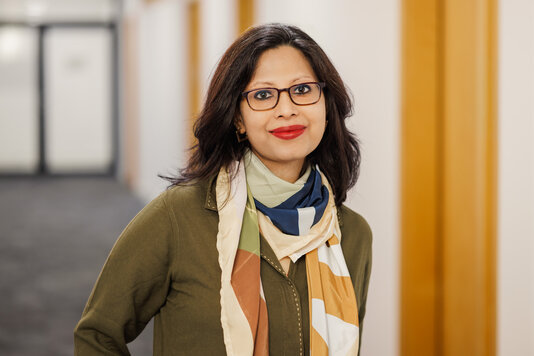
Prof. Sreeparna Chattopadhyay
Manipal Academy of Higher Education (India) | Cultural Anthropology
Sreeparna Chattopadhyay is Associate Professor at the Manipal Law School (India). She holds a Master’s degree and a PhD in Anthropology from Brown University (USA), and a Bachelor’s degree in Economics from St. Xavier’s College, Mumbai (India). Her research, teaching, and advocacy in the last 18 years can be broadly divided into three interlinked themes: 1) Gendered violence such as domestic and sexual violence in India; 2) Intersectional inequities, including those emanating from health systems that tend to disproportionately affect religious minorities and indigenous populations; 3) Analyses of reproduction using a political ecology and a biocultural approach that disentangles the contributions of global health initiatives, local-level technocratic interventions, and the social determinants of health.
Sreeparna Chattopadhyay has received several prestigious awards, including from the US National Science Foundation, the Harry Frank Guggenheim Foundation, and the Population Reference Bureau (USA) to support her work. She has published in multiple international peer-reviewed journals. Her book The Gravity of Hope, which examines the interlinkages between domestic and structural violence, was published in 2024.
Her research has been covered by the US press and international media. She has worked for the government, academia, and non-profit organisations in India, the USA and the UK. She is deeply invested in translational research, and she writes extensively for independent digital platforms and the popular press.
 ©
© UDE / Fabian Strauch
Prof. Elena Beregow
College for Social Sciences and Humanities & TU Dortmund University & University of Duisburg-Essen | Cultural Sociology
Phone: +49 201 183 65 66
E-mail: elena.beregow@college-uaruhr.de
 ©
© UDE / Fabian Strauch
Prof. Elena Beregow
Junior Professor | Research Group 'Sweat - Sociology of Transpiration in the Age of Global Warming'
Phone: +49 201 183 65 66
E-mail: elena.beregow@college-uaruhr.de
Elena Beregow studied sociology in Göttingen, Hamburg, and Copenhagen and completed her PhD at the University of Hamburg with a dissertation on thermal figures in social theory, focusing on fermentation as both a sociological concept and a material practice. From 2020 to 2025 she was a postdoctoral researcher at the University of the Bundeswehr Munich. Her research is situated at the intersection of sociological theory and cultural sociology, with a particular interest in the sociology of the senses, metaphors, microbes, and the social dimensions of temperature. She also explores sociological writing and theorising, as well as pop culture, affects, and atmospheres.
photos: © eventfotograf.in
 Back to FEATURES