
The College welcomes up to 20 distinguished international scholars from universities and research institutions around the globe as Senior Fellows each year. During their six-month residencies at the College, commencing in spring or autumn, they collaborate with UA Ruhr researchers who are also considered members of the College for the time of the fellowship.
This section introduces the College’s current Senior Fellows and their tandem partners from the UA Ruhr, presenting their research profiles and joint projects.
 ©
© eventfotograf.in
©
© eventfotograf.in
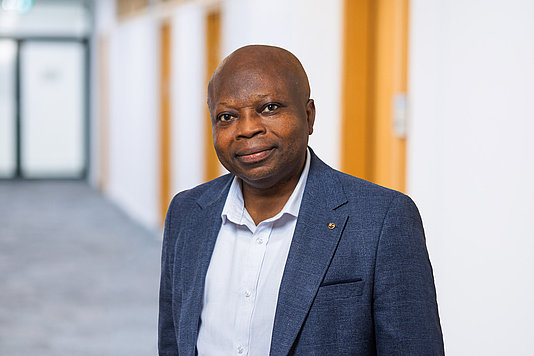
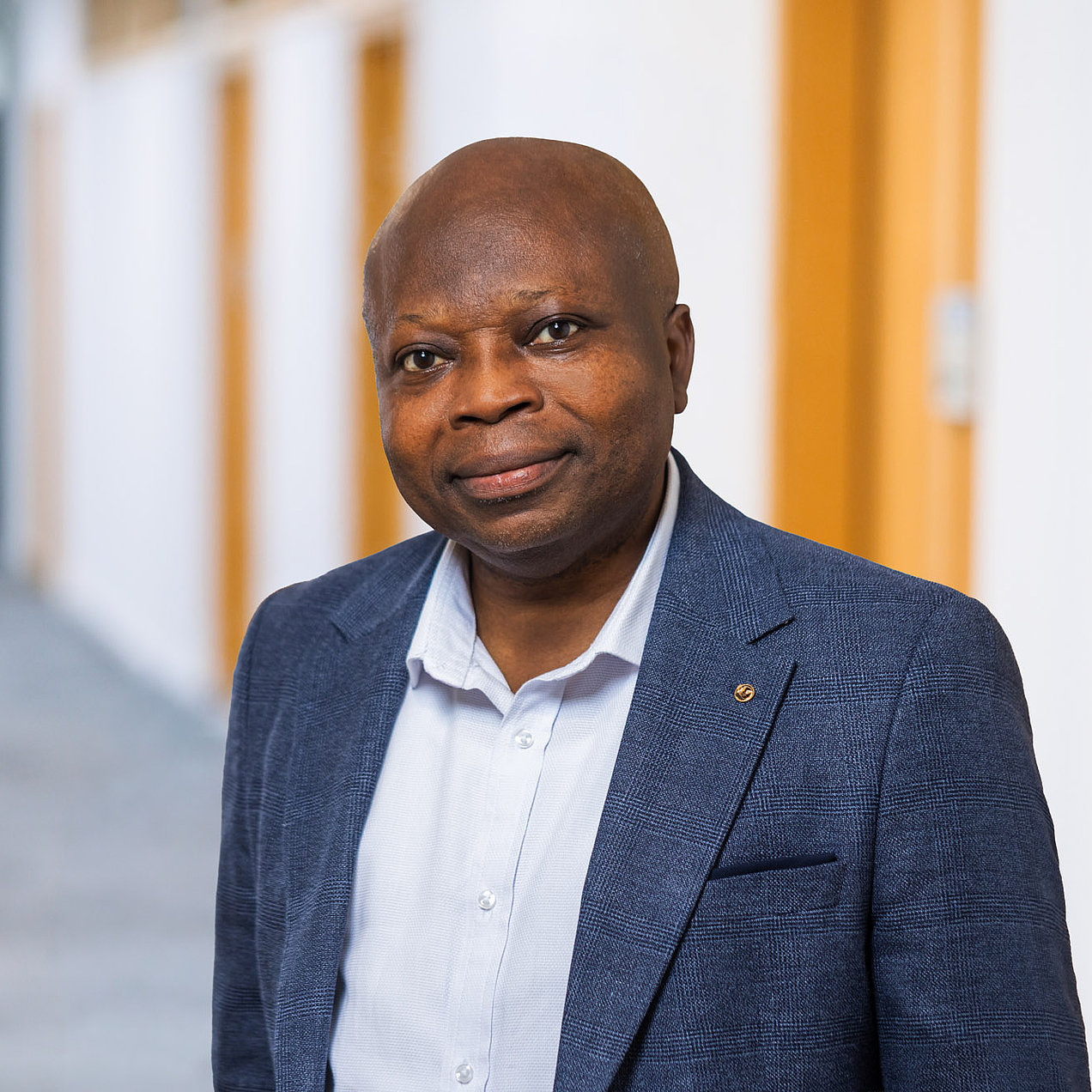
Prof. Albert Ahenkan
University of Ghana (Ghana) | Sustainable Development
E-mail: albert.ahenkan@college-uaruhr.de
Albert Ahenkan is Professor of Sustainable Development at the University of Ghana Business School and Head of the Department of Public Administration. He is an internationally recognised expert in sustainable development; sustainable finance, green economy, climate policy, environmental, social and corporate governance (ESG), circular economy, and green finance. His work focuses on strengthening public policies, institutions, and governance systems that advance sustainable development and climate resilience. With over 15 years of international consulting experience, he has served as international consultant and technical advisor to governments and organisations including the African Union Development Agency AUDA-NEPAD, United Nations Development Programme (UNDP), World Bank, International Fonds for Agricultural Development (IFAD), Deutsche Gesellschaft für Internationale Zusammenarbeit (GIZ), United Nations Institute for Training and Research (UNITAR), United States Agency for International Development (USAID), and C40 Cities Climate Leadership Group. He has led major assignments on climate policy, agrifood systems, sustainable finance, ESG, climate finance, and public sector reform across Africa. Albert Ahenkan has authored more than 100 peer-reviewed publications and is widely recognised for integrating sustainability into governance reforms.
Website
 ©
© MIASA
©
© MIASA
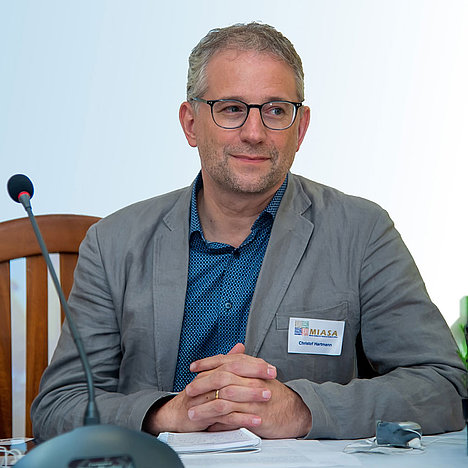
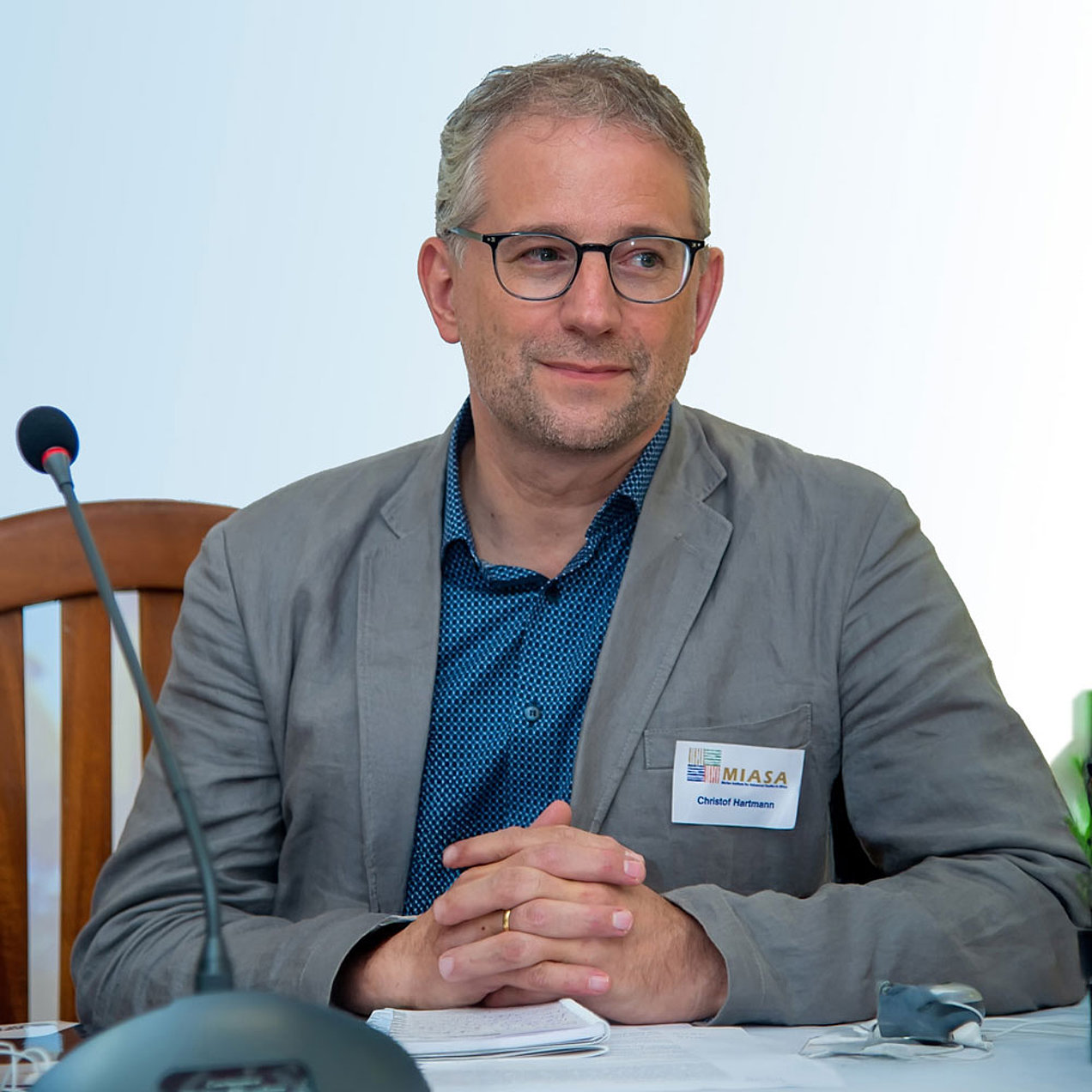
Prof. Christof Hartmann
University of Duisburg-Essen | Political Sciences
E-mail: christof.hartmann@uni-due.de
 ©
© eventfotograf.in
©
© eventfotograf.in
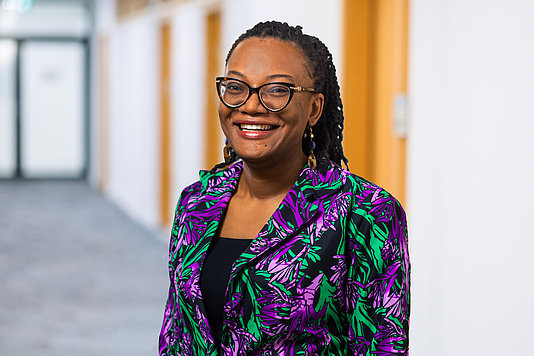
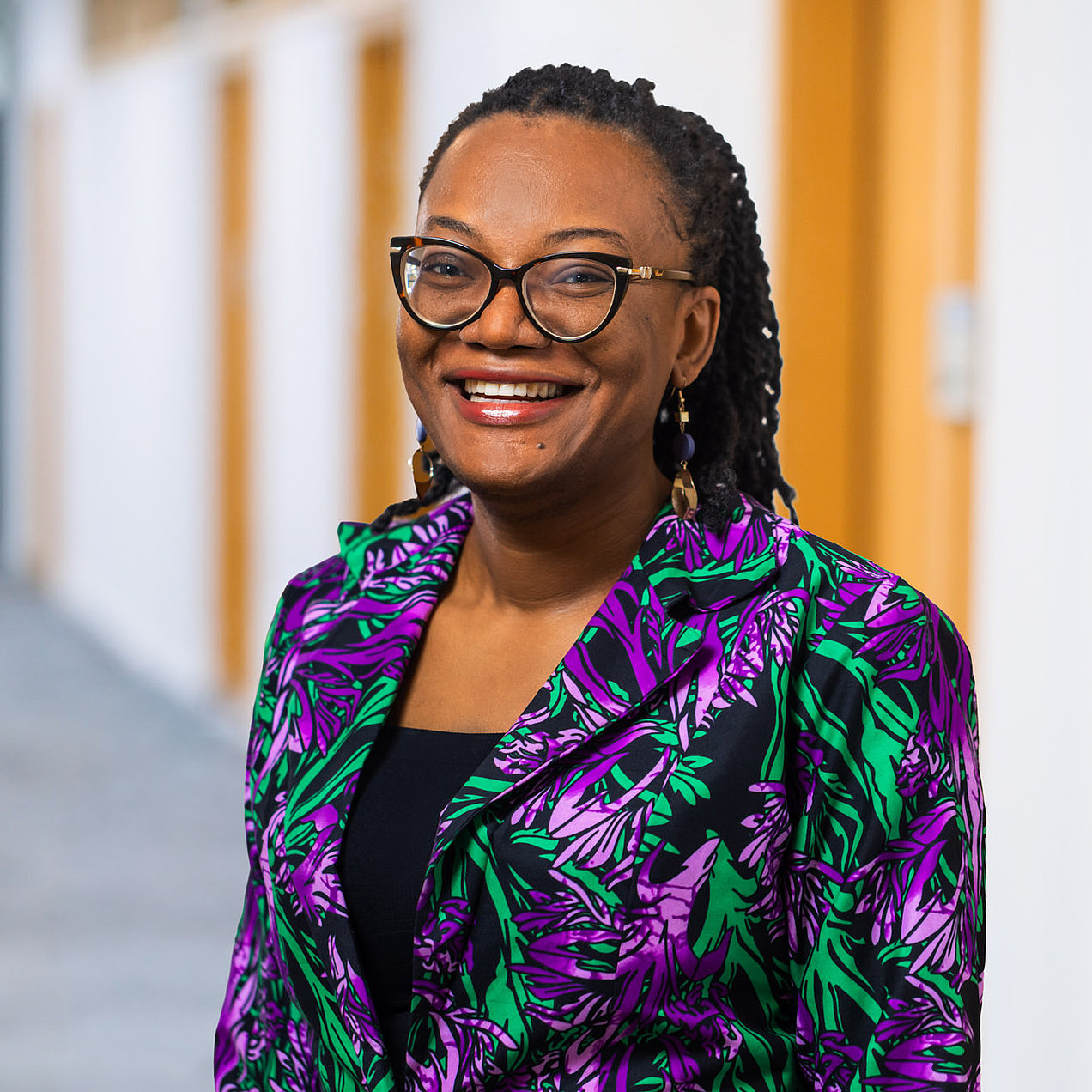
Prof. Ijeoma D. Ajaero
University of Nigeria (Nigeria) | Communication Studies, Media Sociology
E-mail: ijeoma.ajaero@college-uaruhr.de
Ijeoma D. Ajaero holds a PhD in Mass Communication (Environmental Communication), which was partly funded with a grant from the Transdisciplinary Training for Resource Efficiency and Climate Change Adaptation in Africa (TRECCAfrica) and the Tertiary Education Trust Fund (TETFund). She was a visiting research fellow with the Demography and Population Studies Programme of the University of the Witwatersrand (South Africa) and a postdoctoral research fellow in the Department of Strategic Communication, University of Johannesburg (South Africa). Presently, she is an associate professor in the Department of Mass Communication, University of Nigeria, Nsukka, and a senior research associate at the University of Johannesburg.
Ijeoma D. Ajaero has served as a research assistant for several Environmental Impact Assessments (EIA) and as a member of the research team on the Stop Impunity in Nigeria (SIN) campaign. In addition, she is a co-principal investigator for a project supported by the Global Excellence and Stature (GES) 4.0 Grant of the University of Johannesburg titled ‘Indigenous Knowledge and Use of Digital Technologies in Multimodal, Multisectoral Intervention: Reimagining Climate Change Communication Strategies in Southern Nigeria’ (2025–2027). Her areas of research include environmental and health communication, media sociology, gender studies, peace and conflict reporting, media ethics, political communication, human trafficking, and social media.
Website
 ©
© Institut für Journalistik TU Dortmund
©
© Institut für Journalistik TU Dortmund
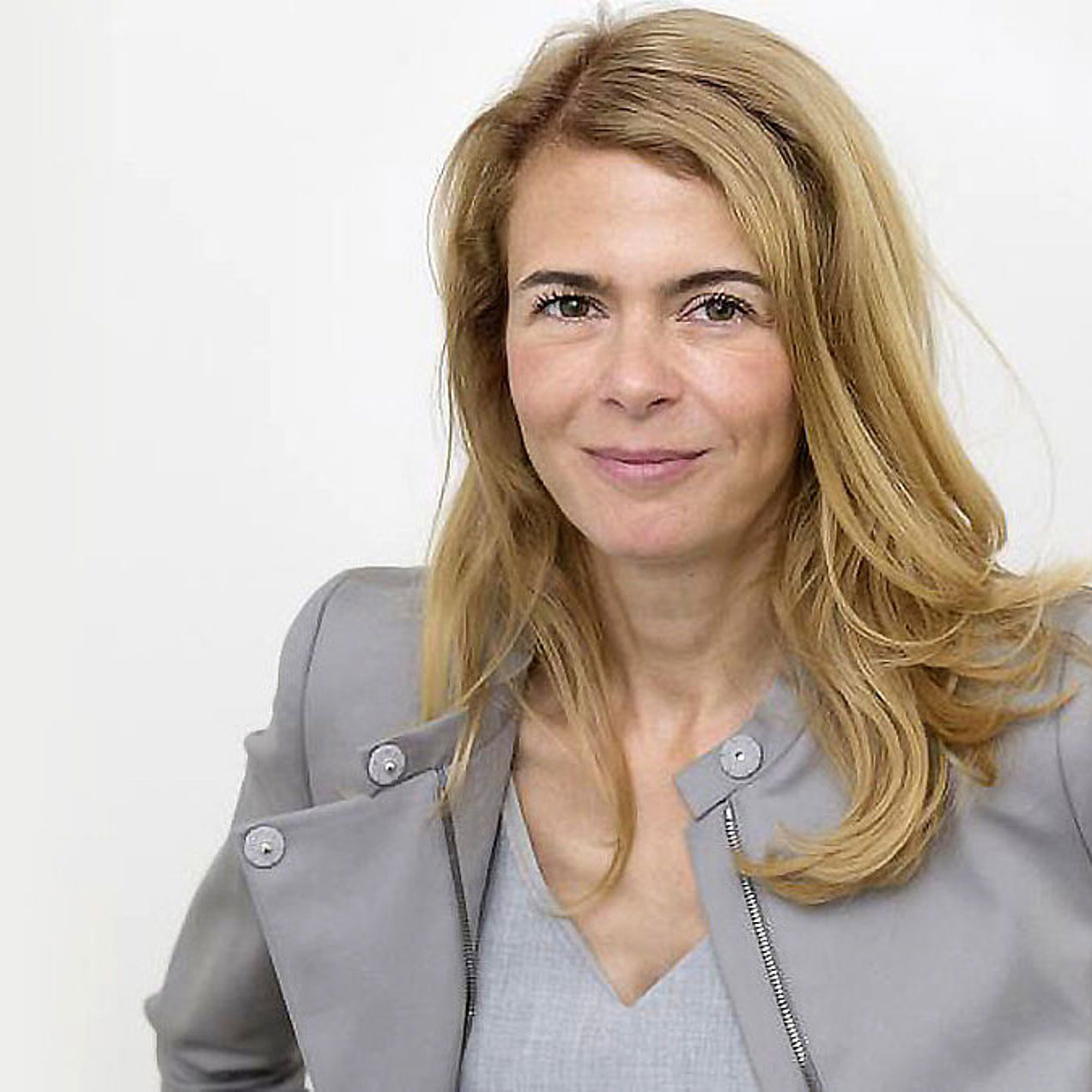
Prof. Susanne Fengler
TU Dortmund University | Journalism Studies
E-mail: Susanne.fengler@tu-dortmund.de
 ©
© eventfotograf.in
©
© eventfotograf.in
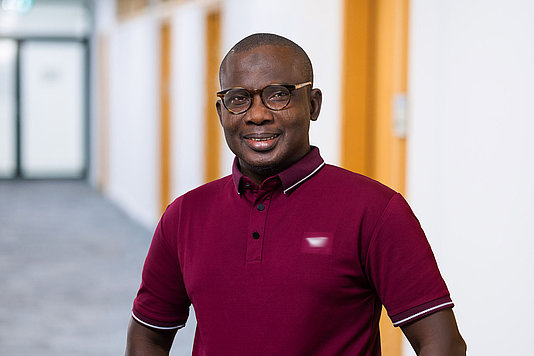
Dr Abdulrazaq Kamal Daudu
University of Ilorin (Nigeria) | Gender and Development Studies
Abdulrazaq Kamal Daudu is a senior lecturer in the Department of Agricultural Extension and Rural Development at the University of Ilorin (Nigeria). His research examines how gender, digital technologies, agricultural innovations, and policy interventions shape rural livelihoods, food security, and welfare outcomes in developing countries, particularly across Sub-Saharan Africa. He specialises in gender and development, digital agriculture, agricultural extension, climate-smart agriculture, and rural transformation. His recent work focuses on digital extension services, e-commerce platforms, digital financial inclusion, climate-smart agricultural practices, land governance, and the welfare impacts of agricultural policies. Through the application of advanced quantitative methods and impact evaluation techniques, he investigates pathways for enhancing the resilience and productivity of smallholder farmers, women, and youth in agrifood systems.
Abdulrazaq Kamal Daudu has published extensively in international peer-reviewed journals. He is a member of the Pan-African Network for Economic Analysis of Policies (PANAP), the Agriculture and Applied Economics Association (AAEA), the Association for International Agricultural and Extension Education (AIAEE), and the French Association of Development Economics (AFEDEV). He was a visiting researcher at the Nordic Africa Institute (Sweden) and a research fellow at the International Institute of Tropical Agriculture (IITA), Nigeria.
Website
https://aerd.agriculture.unilorin.edu.ng/staffmember/dr-daudu-kamal-abdulrazaq/
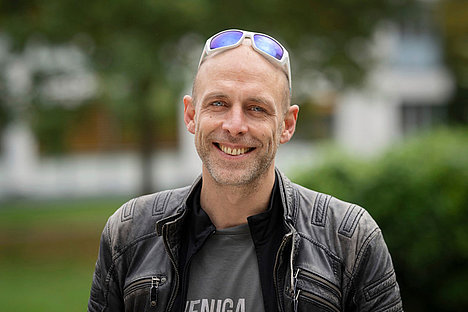
Prof. Jakob Kapeller
University of Duisburg-Essen | Socio-Economics
E-mail: jakob.kapeller@uni-due.de
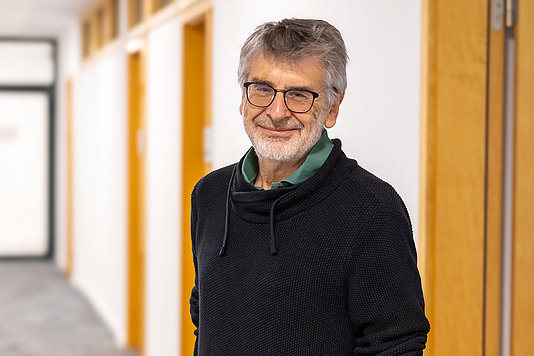
Prof. Alexander Etkind
Central European University (Austria) | Cultural and Political History
Alexander Etkind is Professor at the Department of International Relations at the Central European University in Vienna (Austria), where he is also Director of the Open Society Hub for the Politics of the Anthropocene. Previously, he was Professor of History at the European University Institute at Florence, Italy (2013–2022), and before that at Cambridge University, UK (2004–2013). Alexander Etkind completed his PhD in Russian cultural history in Helsinki (Finland, 1998) and supervised more than 30 PhD students in Europe. He is the author of many books on cultural and intellectual history, most recently Nature’s Evil. A Cultural History of Natural Resources (Cambridge: Polity 2021) and Russia against Modernity (Polity 2023, now available in ten languages). His current research interests are climate politics, comparative history of empires, colonialism and decolonisation in Eastern Europe, and critical theory of revanchism.
Website
 ©
© RUB / Marquard
©
© RUB / Marquard
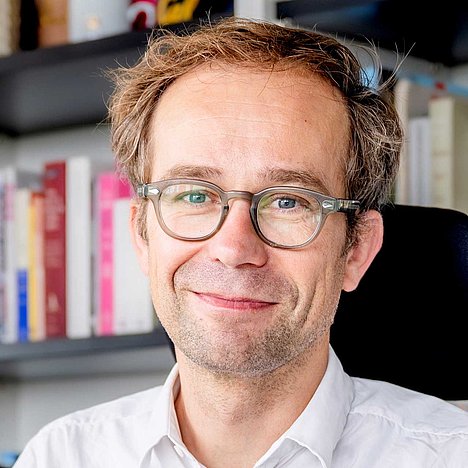
Prof. Sören Urbansky
Ruhr University Bochum | Eastern European History
E-mail: soeren.urbansky@rub.de
 ©
© eventfotograf.in
©
© eventfotograf.in
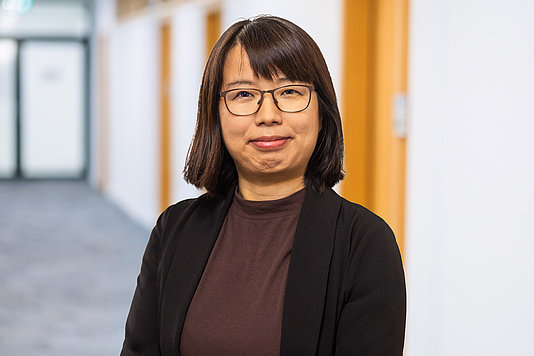
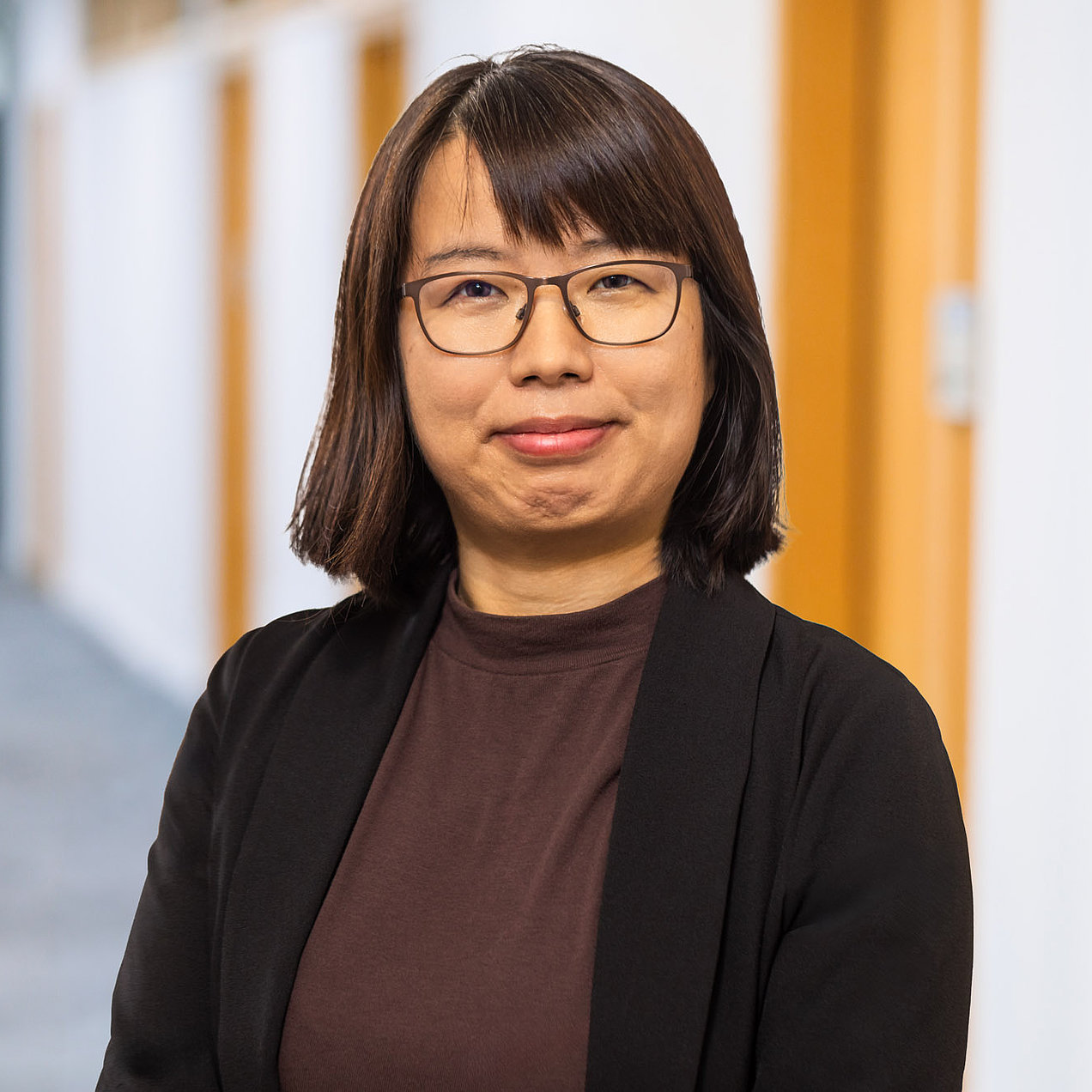
Prof. Xiaorong Gu
University of Suffolk (UK) | Sociology, Childhood Studies, Asian Studies
E-mail: xiaorong.gu@college-uaruhr.de
Xiaorong Gu is a sociologist of childhood, youth and education, currently working as a senior lecturer at the University of Suffolk (UK), where she leads research on global childhood studies and childhood theories. Earlier in her career, she was Lecturer in English Literature at Sun Yat-sen University (China) from 2008 to 2012. After completing her PhD in sociology at the National University of Singapore in 2017, she held research positions at the Asia Research Institute, National University of Singapore, and on the ‘Doing Intimacy’ project at SOAS, University of London (UK). She has also undertaken academic visits at institutions including the University of Manchester (UK) and the University of Duisburg-Essen (Germany).
Xiaorong Gu’s research examines children’s and youth’s migration and mobilities, education, socio-emotional lives, relationships, disabilities and wellbeing, as well as their positioning in relation to families, educational institutions and the nation state. Her work focuses on contemporary China from a comparative Asian perspective and is grounded in methodological pluralism. She has guest-edited special issues for Child Indicators Research and Current Sociology and is co-editor of The Emerald Handbook of Childhood and Youth in Asian Societies (2023). Her research article ‘“Save the children!”: Governing Left-behind Children through Family in China’s Great Migration’ was shortlisted for the 2023 SAGE Current Sociology Best Paper Prize, and she was named Sociologist of the Month by Current Sociology in April 2023.
Website
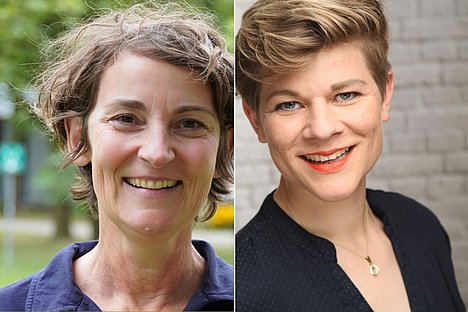
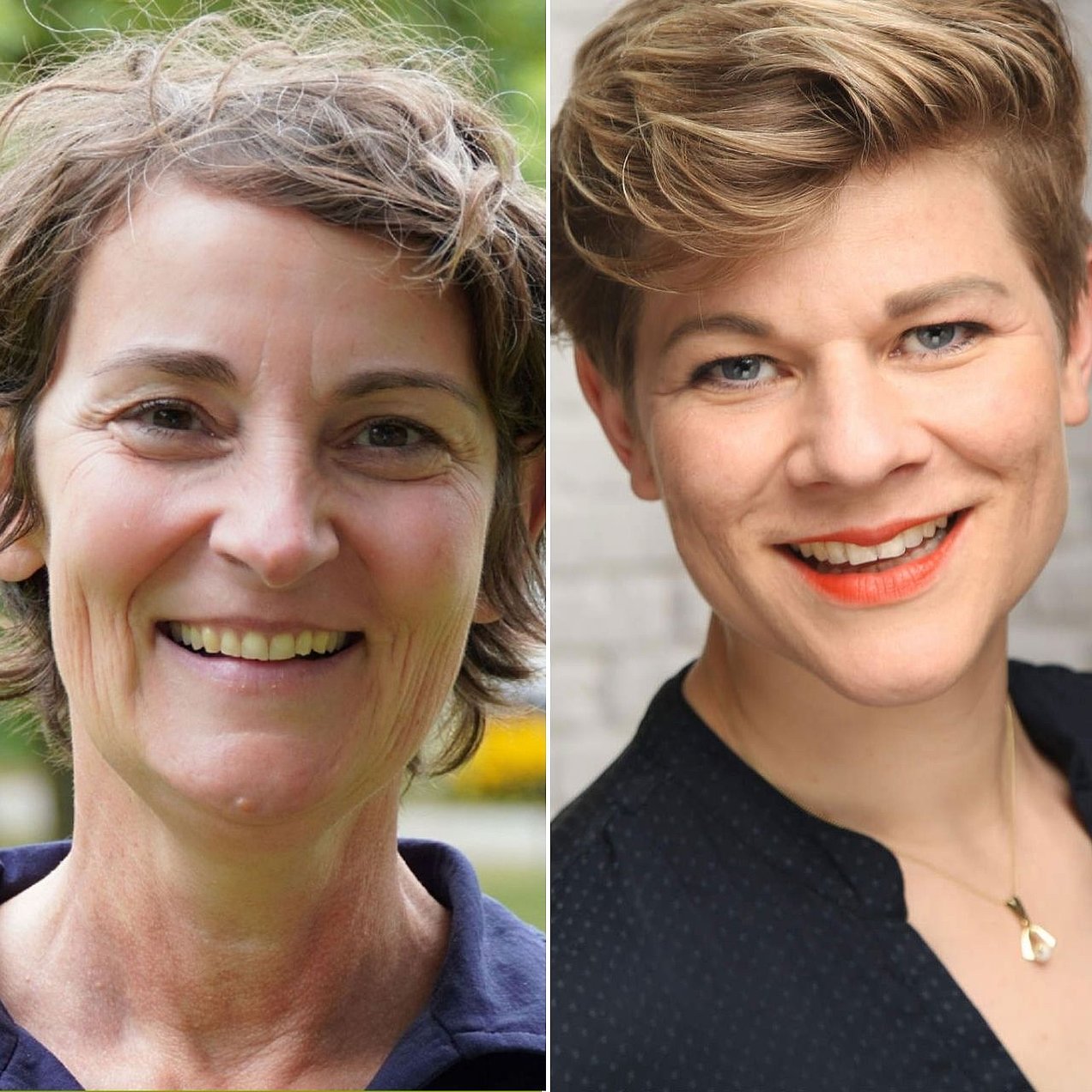
Prof. Alexandra König & Prof. Jessica Schwittek
University of Duisburg-Essen & TU Dortmund University | Educational Sciences, Sociology
 ©
© eventfotograf.in
©
© eventfotograf.in
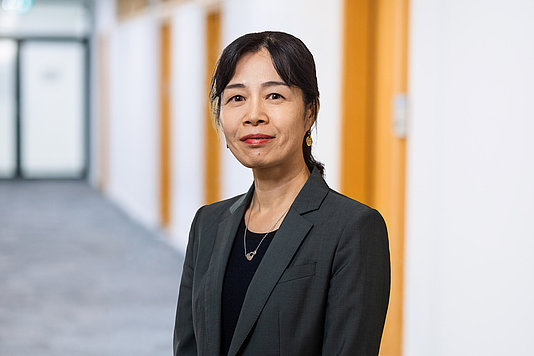
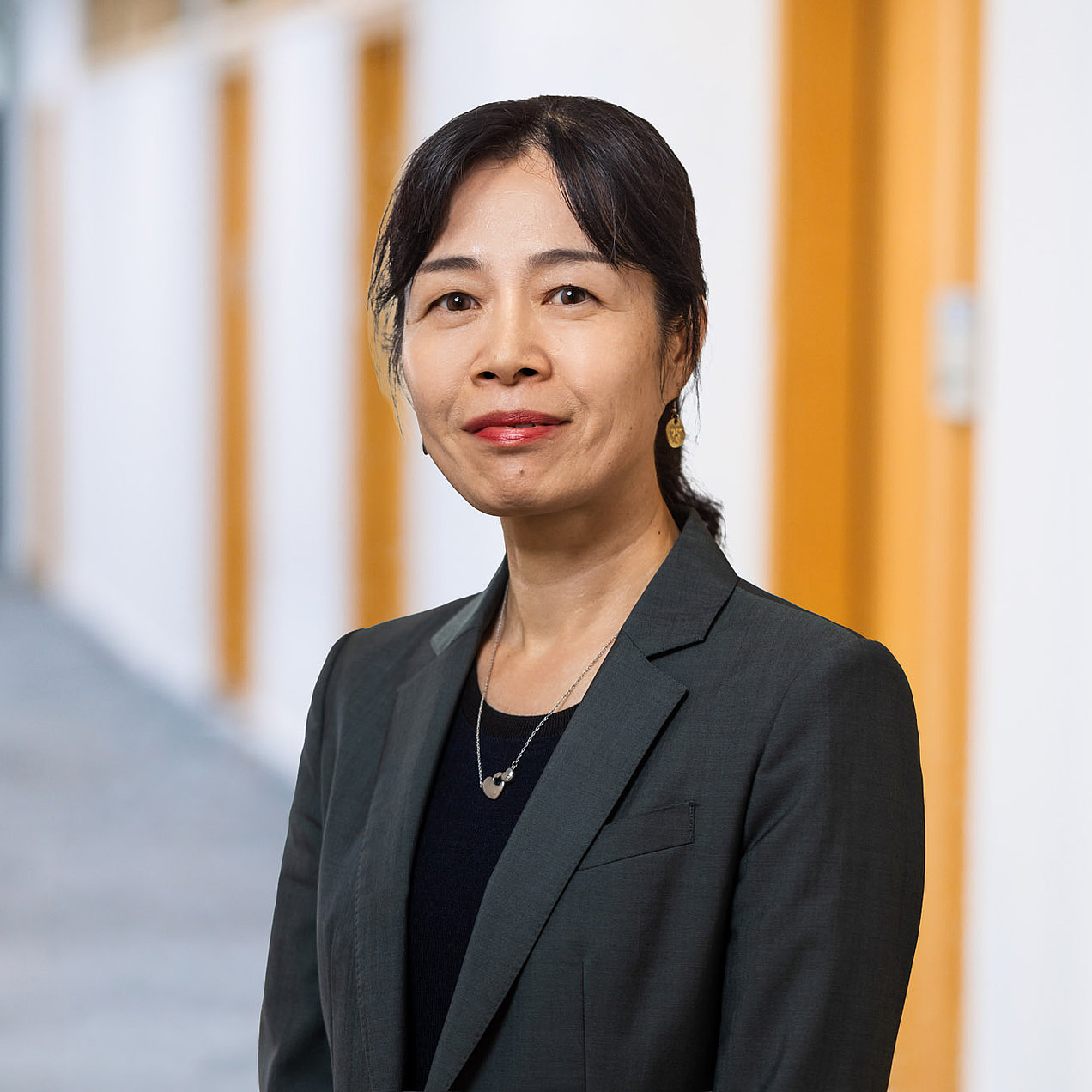
Prof. Gracia Liu-Farrer
Waseda University (Japan) | Sociology, Migration Studies
Gracia Liu-Farrer is Professor of Sociology at the Graduate School of Asia-Pacific Studies and Director of the Institute of Asian Migration at Waseda University, Japan. Her research examines post-war immigration to Japan and the country's transformation into an immigrant society, focusing on migration policy, migration patterns, immigrants' economic activities, social integration, and sense of belonging and identity. She also studies the mobility of educational and labour migrants within and beyond Asia, exploring the actors and processes that shape transnational labour markets and the ways migrants' skills are assessed, utilised, and developed in cross-border contexts.
Gracia Liu-Farrer has participated in many Japan- and EU-funded projects on education and labour migration, and her work brings Asian perspectives into global discussions of international migration. Her recent books include Handbook of Asian Migrations (with Brenda Yeoh, Routledge 2018), Immigrant Japan: Mobility and Belonging in an Ethno-nationalist Society (Cornell University Press 2020), Tangled Mobilities: Places, Affects, and Personhood across Social Spheres in Asian Migration (with Asuncion Fresnoza-Flot, Berghahn Books 2022), and The Question of Skill in Cross-border Labour Mobilities (with Brenda Yeoh and Michiel Baas, Taylor & Francis 2023). Her articles have appeared in the Annual Review of Sociology, Journal of Ethnic and Migration Studies, International Migration Review, and Migration Studies, among others.
Website
 ©
© MPIfG-AD
©
© MPIfG-AD
 ©
© eventfotograf.in
©
© eventfotograf.in
Dr Nancy Mauro-Flude
RMIT University (Australia) | Design Anthropology, Computing Arts
Nancy Mauro-Flude is a transdisciplinary researcher with expertise in computing arts, anthropology, and feminist science and technology studies (STS). She applies multitrophic approaches in regenerative design and making, working from Southern Oceania, Lutruwita / Tasmania, and guided by indigenous knowledge systems and experiential learning to foster eco-social cohesion. Over the past two decades, Nancy has made significant contributions to female-led web server initiatives and aesthetic engagement with open source technologies, mobile Linux, and wireless systems. She is co-founder and Secretary of the Community Network Infrastructures Special Interest Group, established with support from the Internet Society Foundation.
Nancy Mauro-Flude is a Regenerative Future Fellow at RMIT University (Australia), contributor to the Master of Design Technology and Innovation programme in RMIT’s College of Design and Social Context, and affiliated with the Post Carbon Research Centre. Her design research develops custom-built tools, cooperative situations, and participatory social sculptures that bring diverse communities together through performance, co-design, and collective inquiry. With expertise in wireless Linux systems, community networking, and free and open-source software, she explores holistic and vernacular computing, maintenance rituals, digital stewardship, and the material and social conditions of life at the edge of networked systems.
Website
 ©
© CAIS
©
© CAIS
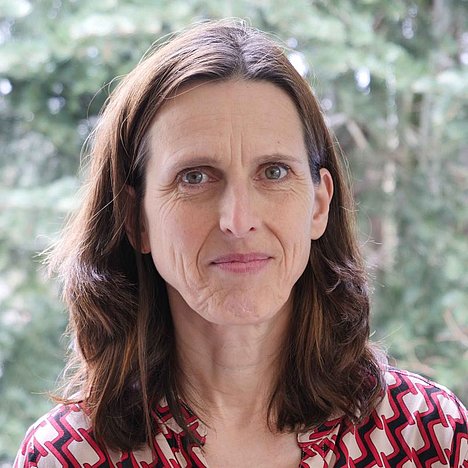
Prof. Estrid Sørensen
Ruhr University Bochum | Anthropology of Knowledge
E-mail: estrid.sorensen@rub.de
 ©
© eventfotograf.in
©
© eventfotograf.in
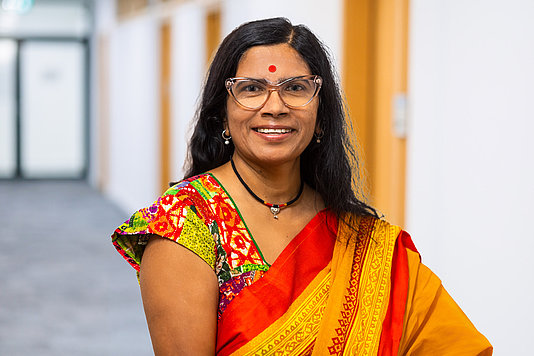
Prof. Zobaida Nasreen
University of Dhaka (Bangladesh) | Anthropology
Zobaida Nasreen is Professor of Anthropology at the University of Dhaka (Bangladesh) and was a Fulbright Scholar in the anthropology department of Rice University, USA (2018–2019). She received her PhD in social anthropology from Durham University (UK) as a commonwealth scholar. After obtaining a Master’s degree in anthropology from Jahangirnagar University (Bangladesh), she completed her Master’s degree in development studies at Hiroshima University (Japan) on a Japanese government scholarship. Her doctoral research at Durham University was on ‘The Indigeneity Question: State Violence, Forced Displacement and Women’s Narratives in the Chittagong Hill Tracts of Bangladesh’ and her areas of interest include anthropology of violence, forced displacement, sexuality and masculinity, social memory, social movements, as well as indigeneity and identity politics.
Zobaida Nasreen has co-edited Political Violence in South Asia with Ali Riaz and Fahmida Zaman (Routledge 2018) and authored 12 books including Stories of Gender Diversity (2019), Anthropological Explorations (2018), Women’s Journey against All Odds (2013), Poverty and Health: Women in Tanneries (2008), Martyred Women of the Liberation War (2008), Hajong Women in the Labour Market (2008), Indigenous Women in the Liberation War (2008), and The Marginalisation Discourse of Ethnic People in the Northern Part of Bangladesh (2006, with Mesbah Kamal and Eshani Chakraborty). She has published in various local and international journals and has worked as a consultant for several national and international organisations, including United States Agency for International Development (USAID), International Labour Organization (ILO), Oxfam Great Britain, DASCOH foundation, United Nations Development Programme (UNDP), United Nations Population Fund (UNFPA), ActionAid, and Bangladesh Rural Advancement Committee (BRAC). She has also been writing columns since 1996 for a number of daily newspapers and provides expert opinion on current social and political issues on BBC Bangla Service and Voice of America (VOA) Bangla.
Website

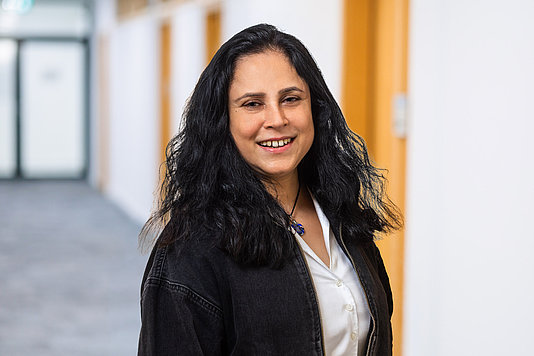
Prof. Christian Gudehus
Ruhr University Bochum | Social Science, Social and Cultural Psychology
E-mail: christian.gudehus@rub.de
 ©
© eventfotograf.in
©
© eventfotograf.in
Prof. Deepshikha Shahi
O.P. Jindal Global University (India) | Political Science, International Relations
Deepshikha Shahi is Professor of International Relations at the O. P. Jindal Global University (India). She pursued research at the University of Rostock as a Humboldt Research Fellow (2024–2026) and at the Centre for Global Cooperation Research, University of Duisburg-Essen, as a postdoctoral fellow (2017–2018). She has served as Professor of Politics and International Relations at the University of Delhi (India).
Through engagements with Indic, Islamic, Chinese, Japanese, African, and pre-Socratic Greek thought, she has developed approaches that contribute to ongoing efforts to broaden the intellectual foundations of International Relations. Her publications include the monographs Advaita as a Global International Relations Theory (2018), Kautilya and Non-Western IR Theory (2019), and Global IR Research Programme: The Futuristic Foundation of One and Many (2023). She has edited Sufism: A Theoretical Intervention in Global International Relations (2020) and Nondualism in International Relations: A Methodological Reconstruction Beyond Binaries (2026). Her work has appeared in journals such as European Journal of International Relations, International Theory, Millennium: Journal of International Studies, Cambridge Review of International Affairs, and Third World Quarterly.
Website
https://jgu.edu.in/jsia/research/centre-for-the-study-of-global-international-relations-csgir#rp-07
 ©
© Niederberger
©
© Niederberger
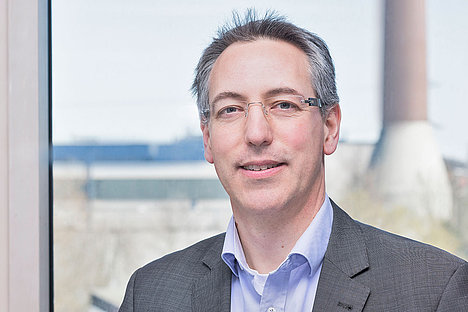
Prof. Andreas Niederberger
University of Duisburg-Essen | Political, Legal and Social Philosophy
E-mail: andreas.niederberger@uni-due.de
 ©
© eventfotograf.in
©
© eventfotograf.in
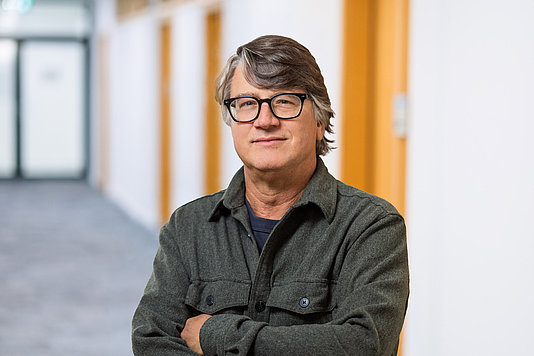
Prof. David Stradling
University of Cincinatti (USA) | History, Environmental History
David Stradling is the Zane L. Miller Professor of Urban History at the University of Cincinnati (USA), where he has a joint appointment in the Department of History and the School of Environment and Sustainability. He has taught urban and environmental history for over twenty-five years, and he is the author of several books, including The Nature of New York: An Environmental History of the Empire State (Cornell University Press 2010), Making Mountains: New York City and the Catskills (University of Washington Press 2007), Smokestacks and Progressives: Environmentalists, Engineers and Air Quality in America, 1881-1951 (Johns Hopkins University Press 1999), and, with Richard Stradling, Where the River Burned: Carl Stokes and the Struggle to Save Cleveland (Cornell University Press 2015). He is writing a global history of dredging which describes the long history of cities attempting to deal with the mobility of nature, a critical issue in the current age of climate change. It will be published by the University of Chicago Press.
Website
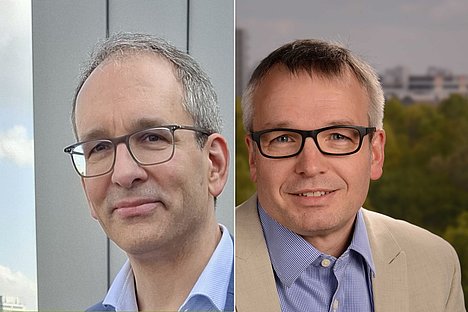 ©
Photo Gurr: © Ute Schneider
Photo Wiechmann: © TU Dortmund / U. Grützner
©
Photo Gurr: © Ute Schneider
Photo Wiechmann: © TU Dortmund / U. Grützner
Prof. Jens Martin Gurr & Prof. Thorsten Wiechmann
University of Duisburg-Essen & TU Dortmund University | British and Anglophone Literature and Culture & Spatial Planning
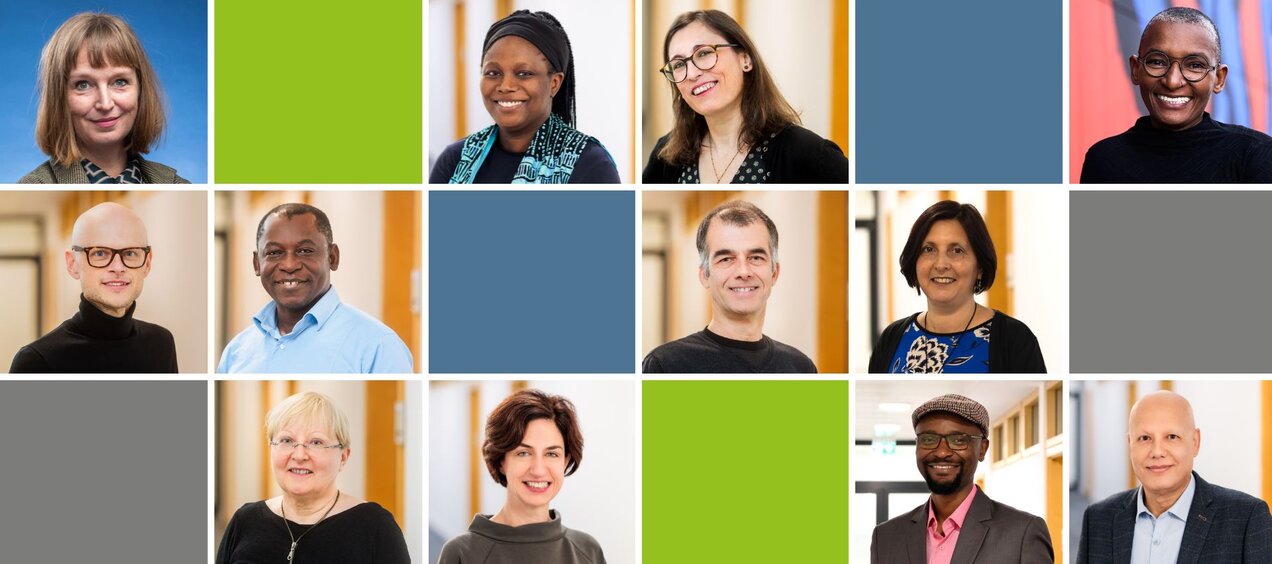
Learn more about all former Senior Fellows hosted by the College for Social Sciences and Humanities of the University Alliance Ruhr:
 ©
© Institut für Journalistik TU Dortmund
©
© Institut für Journalistik TU Dortmund
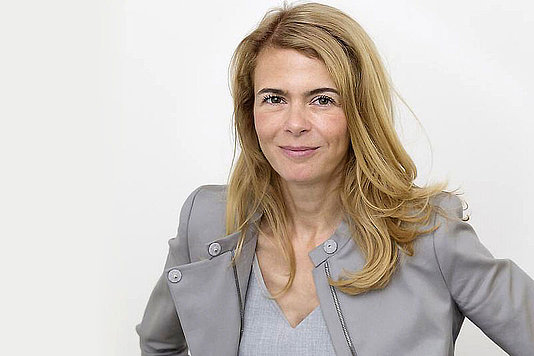
Prof. Susanne Fengler
TU Dortmund University | Journalism Studies
E-mail: Susanne.fengler@tu-dortmund.de
Susanne Fengler is Professor of International Journalism at TU Dortmund University and Scientific Director of the Erich Brost Institute for International Journalism. Her research focuses on comparative journalism studies, media accountability, media development cooperation, migration and journalism, and the economics of journalism.
She has coordinated and led numerous international research projects funded by the European Union, Horizon 2020, the Volkswagen Foundation, UNESCO, the German Federal Foreign Office, the German Academic Exchange Service (DAAD) and other organisations. Her current work includes projects on journalism education, media accountability, migration, disinformation and democratic resilience, with a particular focus on Europe and Sub-Saharan Africa.
Susanne Fengler is the Scientific Director of the European Journalism Observatory (EJO) and has published extensively on media accountability, journalism ethics and comparative media systems. She has edited several influential books, including the Global Handbook of Media Accountability and the European Handbook of Media Accountability. Her research has received international recognition, including the MERCUR Science Award and the Günter Wallraff Prize for Journalism Criticism.
Alongside her academic work, she actively contributes to international scholarly networks, editorial boards and advisory committees, fostering collaboration between journalism research, education and professional practice worldwide.
Website
https://en.journalistik-dortmund.de/about-us/staff/professors/prof-dr-susanne-fengler

Prof. Christian Gudehus
Ruhr University Bochum | Social Science, Social and Cultural Psychology
E-mail: christian.gudehus@rub.de
Christian Gudehus is a social scientist with a particular interest in social and cultural psychology. Together with Pradeep Chakkarath, he has been publishing the journal HARM as an open-access publication since January 2022. He also founded the journal Trauma Kultur Gesellschaft (trauma culture society) together with colleagues from the clinical field and the social sciences and humanities. He is also a permanent fellow at the Hans Kilian and Lotte Köhler Centre (KKC) for Social and Cultural Psychology and Historical Anthropology located at Ruhr University Bochum, where he teaches and researches with a focus on collective violence, its conditions, its events and its consequences.
Website
https://www.sowi.ruhr-uni-bochum.de/lehre/sopsan/gudehus.html.en
 ©
© Ute Schneider
©
© Ute Schneider
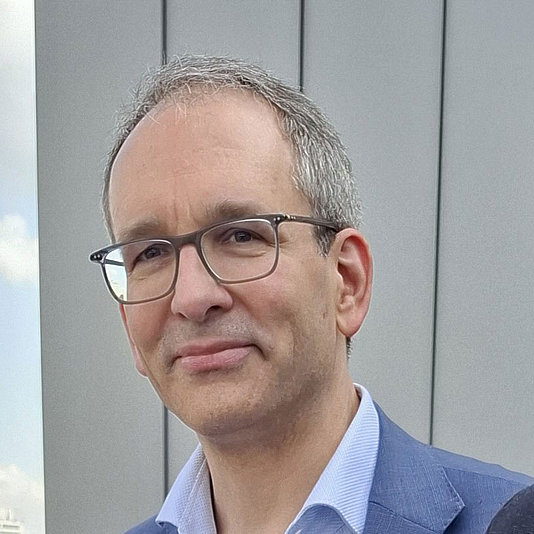
Prof. Jens Martin Gurr
University of Duisburg-Essen | British and Anglophone Literature and Culture
E-mail: jens.gurr@uni-due.de
Jens Martin Gurr has been Full Professor of British and Anglophone Literature and Culture at the University of Duisburg-Essen since 2007. Fields of research include British, American and Anglophone literature and culture from the 17th to the 21st century, urban literary and cultural studies, theories and practices of modelling, the literary history of ideas, research on conflicts, conflict regulation and democratic education in plural societies, Enlightenment research, public functions of narrative, memory studies, and research on the role and functions of literature and of literary studies.
Jens Gurr is the author or co-author of seven monographs, most recently Understanding Public Debates: What Literary Studies Can Do (Routledge 2024) and Enlightenment Controversies: Literary Self-Critique and Present-Day Debates (forthcoming with de Gruyter in August 2026). He is currently working on a monograph tentatively entitled Literary Studies in the Age of AI, Populism and Anti-Academic Resentment and is heading an interdisciplinary project on ‘Cultures of Compromise’. Jens Gurr is a member of the board of trustees (Kuratorium) of the Volkswagen Foundation and of the university council (Hochschulrat) of the University of Duisburg-Essen.
Website
 ©
© MIASA
©
© MIASA
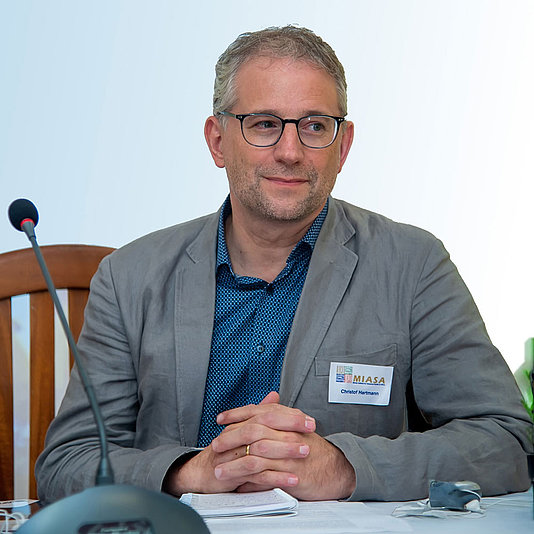
Prof. Christof Hartmann
University of Duisburg-Essen | Political Sciences
E-mail: christof.hartmann@uni-due.de
Christof Hartmann is Professor of International Relations and African Politics at the Institute of Political Science, of the University of Duisburg-Essen and Director of the Institute for Development and Peace (INEF). He is also corresponding member of the Institute of Development Research and Development Policy at Ruhr-University Bochum, where he worked before joining the University of Duisburg-Essen in 2006. He was also a Senior Guest Lecturer at the University of the Western Cape, South Africa (2002–2006) and a Senior Fellow at the Merian Institute for Advances Studies in Africa in Accra, Ghana (2023).
His research interests focus on processes of institutional change in African countries, regional cooperation in Africa with a focus on West Africa, Africa’s development and Africa’s relations with external actors. He has published extensively on governance, development, democracy, authoritarianism and regionalism in Africa. His recent books include China’s New Role in African Politics: From Non-Intervention towards Stabilization (Routledge 2020) and African Non-Military Conflict Intervention Practices (Routledge 2026).
Website
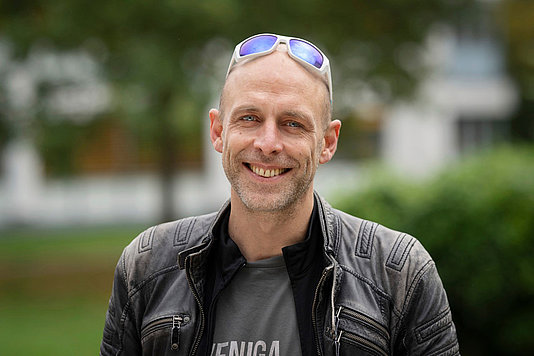
Prof. Jakob Kapeller
University of Duisburg-Essen | Socio-Economics
E-mail: jakob.kapeller@uni-due.de
Jakob Kapeller is a philosopher who has accidentally become an economist. He serves as a professor at the Institute for Socio-Economics at the University of Duisburg-Essen and heads the Institute for Comprehensive Analysis of the Economy (ICAE) at Johannes Kepler University Linz (Austria). His research interests focus on socio-economic change from a political economy perspective, the history of economic and political ideas, the philosophy of the social sciences, distributional issues and heterodox economics.
Jakob Kapeller has published widely in different disciplinary contexts. His work has been featured in journals such as Research Policy, Socio-Economic Review, Review of International Political Economy and Cambridge Journal of Economics. He received several academic awards, including the William Kapp Prize (awarded by the European Association for Evolutionary Political Economy, EAEPE), the Egon Matzner Prize (awarded by the Technical University Vienna) and the Kurt Rothschild Prize (awarded by the Austrian Parliament). He also acts as a reviewer for a series of internationally recognised journals and has been the editor of the Heterodox Economics Newsletter (www.heterodoxnews.com) since 2013. Some of his third-party-funded work – e.g., his papers on the distribution of wealth in Austria or his analysis of the role of economic models in European fiscal governance – has been extensively covered by national and international media.
Website
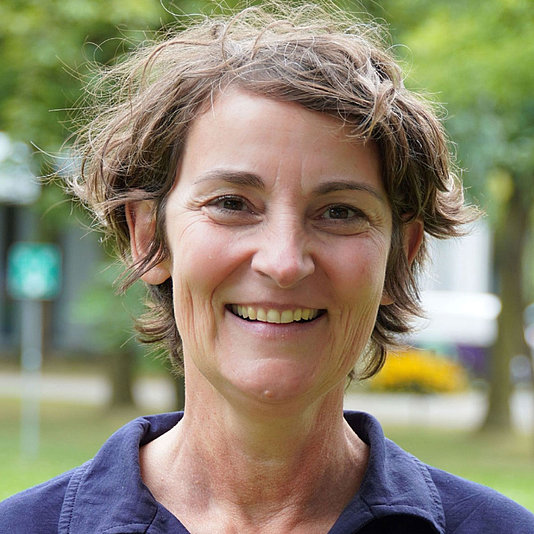
Prof. Alexandra König
University of Duisburg-Essen | Educational Sciences, Sociology
E-mail: alexandra.koenig@uni-due.de
Alexandra König is Professor of Socialisation Research at the Faculty of Educational Sciences of the University of Duisburg-Essen. She examines socialisation processes in different phases of life (especially childhood and adolescence), in different socialisation settings (family, school, the workplace, university, peers) and on the basis of diverse research objects (taste, education, professional fields) and relations (especially relations to animals). Central to her research is an interactionist and inequality-analytical perspective.
Currently she is studying the question how ‘good parenting’ or ‘good childhood’ are defined from different perspectives. She approaches this question primarily in two projects funded by the German Research Foundation (DFG), using examples of different phenomena: the EliA project on parenthood in the adoption process – is investigating how ‘good parents’ are sought for a child given up for adoption in the adoption process. In the TraNa project on self-positioning in transnational spaces that focuses on children's narrations and narrations about children living in transnational families, she is looking at how children in Poland whose parents work (temporarily) abroad experience their transnational family life and how they position themselves in the transnational space.
Website
 ©
© Niederberger
©
© Niederberger
Prof. Andreas Niederberger
University of Duisburg-Essen | Political, Legal and Social Philosophy
E-mail: andreas.niederberger@uni-due.de
Andreas Niederberger is Professor of Political, Legal and Social Philosophy at the University of Duisburg-Essen. He was a visiting professor at Saint Louis University and Northwestern University (both USA), the University of Osaka (Japan), and LUISS in Rome (Italy). His research focuses on the foundations of democracy and law, as well as questions of human rights, global justice and legitimacy, particularly in relation to war, migration, climate change and property regimes. He has led, and continues to lead, numerous research projects, including the EU Horizon 2020 research project ‘Norms and Values in the European Migration and Refugee Crisis’ (NoVaMigra), which examined whether and how the recent influx of refugees to Europe had affected European values and, more broadly, democratic institutions and procedures. Since 2021, he has been Deputy Chair of the Centre for Global Cooperation Research in Duisburg. Recent publications are Philosophie der Menschenrechte (Bielefeld: utb 2025), Handbook of Migration Ethics (ed. with U. Okeja and J. Gördemann, Cham: Springer 2025), and Cosmopolitan Norms and European Values. Ethical Perspectives on Europe’s Refugee Policy (ed. with M. Göbel, New York, London: Routledge 2024).
Website
https://www.uni-due.de/philosophie/politischephilosophie/niederberger
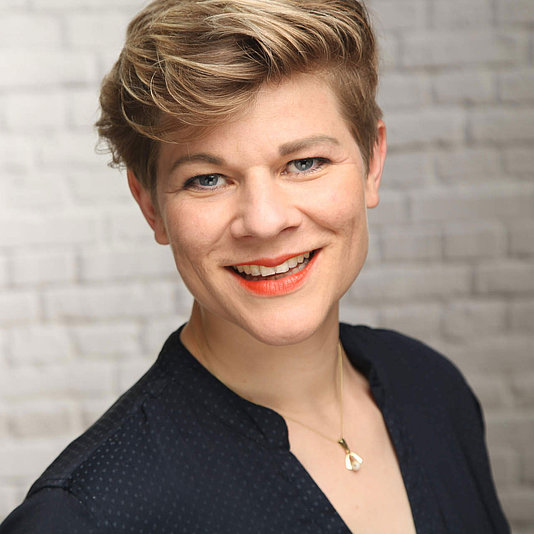
Prof. Jessica Schwittek
TU Dortmund University | Educational Sciences, Sociology
E-mail: jessica.schwittek@tu-dortmund.de
Jessica Schwittek is Junior Professor of Sociology of Migration with a Focus on Family at TU Dortmund University whose work explores how children and young people experience growing up in contexts of migration, transnational family life, and social inequality. Her research combines qualitative and participatory methodologies to foreground young people’s own perspectives on belonging, family relationships, identity, and everyday social worlds.
Her current research focuses on children living in transnational families, examining how they position themselves across national borders and negotiate family, care, and social belonging. As Co-Principal Investigator of the German-Polish research cooperation ‘Self-Positioning in Transnational Spaces’ (TraNa), funded by the German Research Foundation (DFG) and the National Science Centre Poland (NCN), she investigates children's narratives and the social processes shaping transnational childhoods.
Beyond transnational childhoods, her work addresses refugee childhoods, migration, friendship, intergenerational relations, and childhood research across Europe and Asia. Through interdisciplinary and international collaborations, she contributes to advancing child-centred research methodologies and to a deeper understanding of how global mobility and social change transform families’ and children's lives and educational experiences.
Website
 ©
© MPIfG-AD
©
© MPIfG-AD
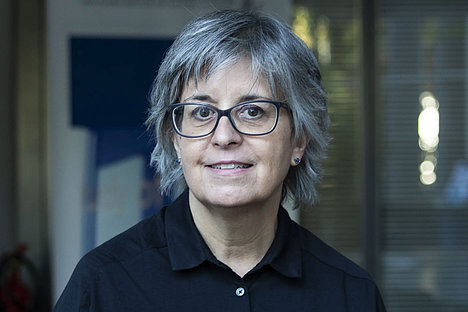
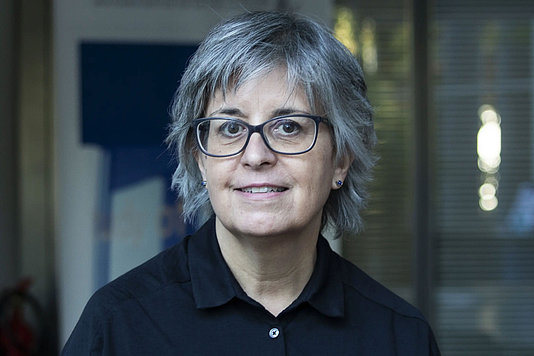
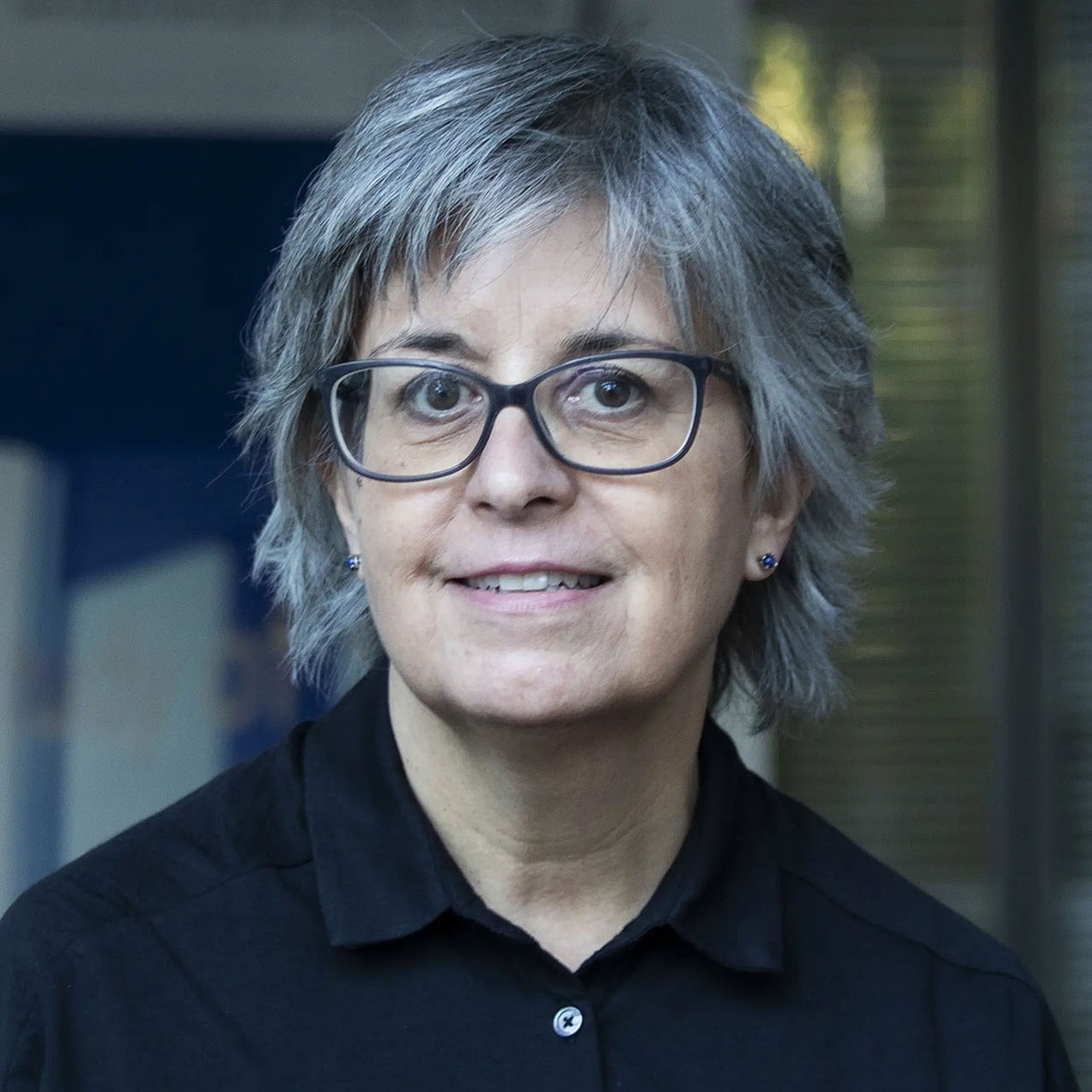
Karen Shire, PhD, is Professor of Comparative Sociology and Japanese Society at the University of Duisburg-Essen (UDE). She is co-speaker of the DFG Research Training Group Cross-Border Labour Markets, a member of the International Max Planck Research School on the Social and Political Constitution of the Economy, a member of the selection committee of the Humboldt Foundation’s Feodor Lynen Fellowship Program and President of the International Sociological Association Research Committee 02 Economy and Society. Her current research is on the economic sociology of migrant labour markets, and the macro-structural determinants of labour exploitation in the global economy. Her publications include ‘The Political and Social Economy of Labour Migration’ (2026, ed., with Heidi Gottfried and Rina Agarwala, Global Dialogues), Trafficking Chains: Modern Slavery in Society (2024, with Sylvia Walby, Bristol University Press), ‘The Future of Gender Regimes’ (2023, ed. with H. Gottfried and S. Walby, Women’s Studies International Forum), The dynamics of welfare markets: Private pensions and domestic/care services in Europe (2021, ed. with C. Ledoux and F. van Hooren, Palgrave Macmillan) and ‘The Social Order of Transnational Migration Markets’ (Global Networks, 2020).
Website
 ©
© CAIS
©
© CAIS
Prof. Estrid Sørensen
Ruhr University Bochum | Anthropology of Knowledge
E-mail: estrid.sorensen@rub.de
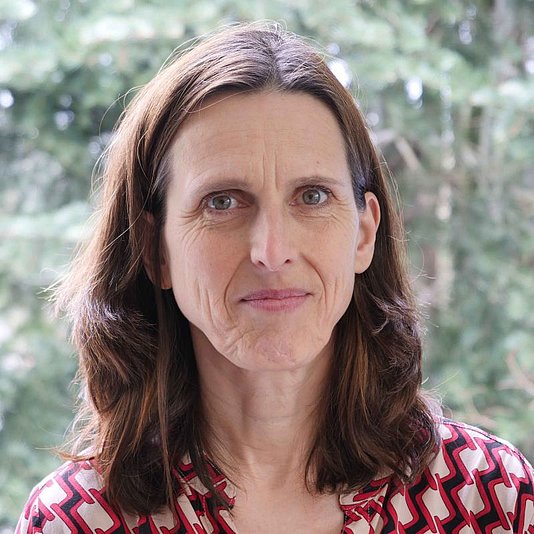
Estrid Sørensen is a professor of anthropology of knowledge at Ruhr University Bochum. She has conducted research within a wide field of science and technology studies, including educational technologies, media harm discourses, cyber security, and digital methods. Most recently she has turned towards researching computing infrastructures. Her ethnographic and historical research addresses both scientific and corporate data centres as well as high-performance computing, and inquires the co-enactment of knowledge production and planetarity. She has recently coined the notion of ‘planetary scientific knowledge’ to conceptualise science as not only social and material, but as ontologically planetary.
Recent publications:
Sørensen, Estrid (2026): ‘Servers’, in: Hogan, M. / Stefan, L. / Ongweso, E. (eds.): Predictions: From Speculative Ethnography to Apocalyptic Testimony. Lancaster: Mattering Press, pp. 120–126.
Çelik, Leman / Laser, Stefan / Sørensen, Estrid / Abels, Sandra (2026): Staying with the Planet: The University That Tried to Reckon with Ecological Reality, Challenged Excessive Data Infrastructures, and Nurtured a Few Alternatives Not Planned For. Bielefeld: transcript.
Sørensen, Estrid (2026): ‘Die Als-ob, die Langsame und die Planetare Universität: Drei Modi möglicher Universitäten‘, In: Breil, P. / Sprenger, F. (eds.): Virtuelle Universität – Geistes- und gesellschaftswissenschaftliche Zugänge. Bielefeld: transcript, pp. 493–500.
Sørensen, Estrid (2025): ‘Erzählungen durch Daten: distanzierte, engagierte, responsable, kollektive und planetare‘, In: Holfelder, U. / Peball, P. W. / Schemmer, J. / Schönberger, K. (eds.): Alltage und Kultur/en der Digitalität. Wien: Selbstverlag des Vereins für Volkskunde, pp. 33–52.
Website
https://www.sowi.ruhr-uni-bochum.de/cupak/team/sorensen.html.en
 ©
© RUB / Marquard
©
© RUB / Marquard
Prof. Sören Urbansky
Ruhr University Bochum | Eastern European History
E-mail: soeren.urbansky@rub.de
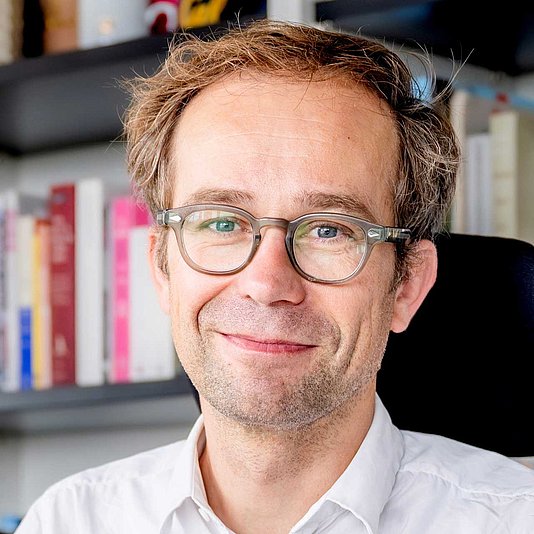
Sören Urbansky is Professor of Eastern European History at Ruhr University Bochum. He specialises in Sino-Russian relations, with research interests in migration, infrastructure, racism, and border history. Previously, he headed the Pacific Office of the German Historical Institute Washington, based at the University of California, Berkeley (USA). He has also held research and teaching positions at the universities of Freiburg, Cambridge, and Munich, and has been a visiting scholar at Academia Sinica in Taipei (Taiwan) and Hokkaido University in Sapporo (Japan).
Sören Urbansky is the author of four monographs, including Beyond the Steppe Frontier: A History of the Sino-Russian Border (Princeton University Press 2020) and Entangled Empires: Four Centuries of China–Russia Relations (with Martin Wagner, Polity 2026).
Website
https://www.oeg.ruhr-uni-bochum.de/oeg/personen/urbansky.html.en
 ©
© TU Dortmund / U. Grützner
©
© TU Dortmund / U. Grützner
Prof. Thorsten Wiechmann
TU Dortmund University | Spatial Planning
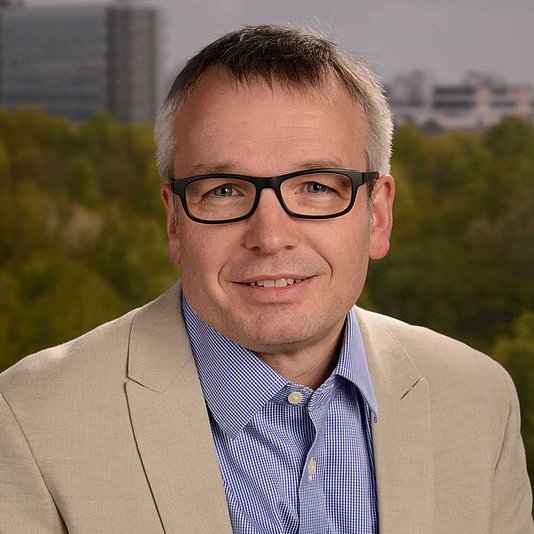
Thorsten Wiechmann is Professor of Spatial Planning and Planning Theory at the School of Spatial Planning at TU Dortmund University, where he served as Dean from 2018 to 2022. Previously, he held the Chair of Spatial Planning at TU Dresden and was Director of the Institute of Geography. His research focuses on strategic spatial planning, metropolitan governance, and the transformation of cities and regions under conditions such as demographic change and structural uncertainty. A particular interest lies in the role of future visions, scenarios, and strategic foresight in planning processes. Recently, he has also worked extensively on the application of artificial intelligence in spatial planning. He has led numerous national and international research and practice projects and has published more than 100 academic works.
Website
https://rop.raumplanung.tu-dortmund.de/en/working-group/team/prof-dr-habil-thorsten-wiechmann
University of Ghana (Ghana) | Sustainable Development
University of Duisburg-Essen | Political Sciences
University of Nigeria (Nigeria) | Communication Studies, Media Sociology
TU Dortmund University | Journalism Studies
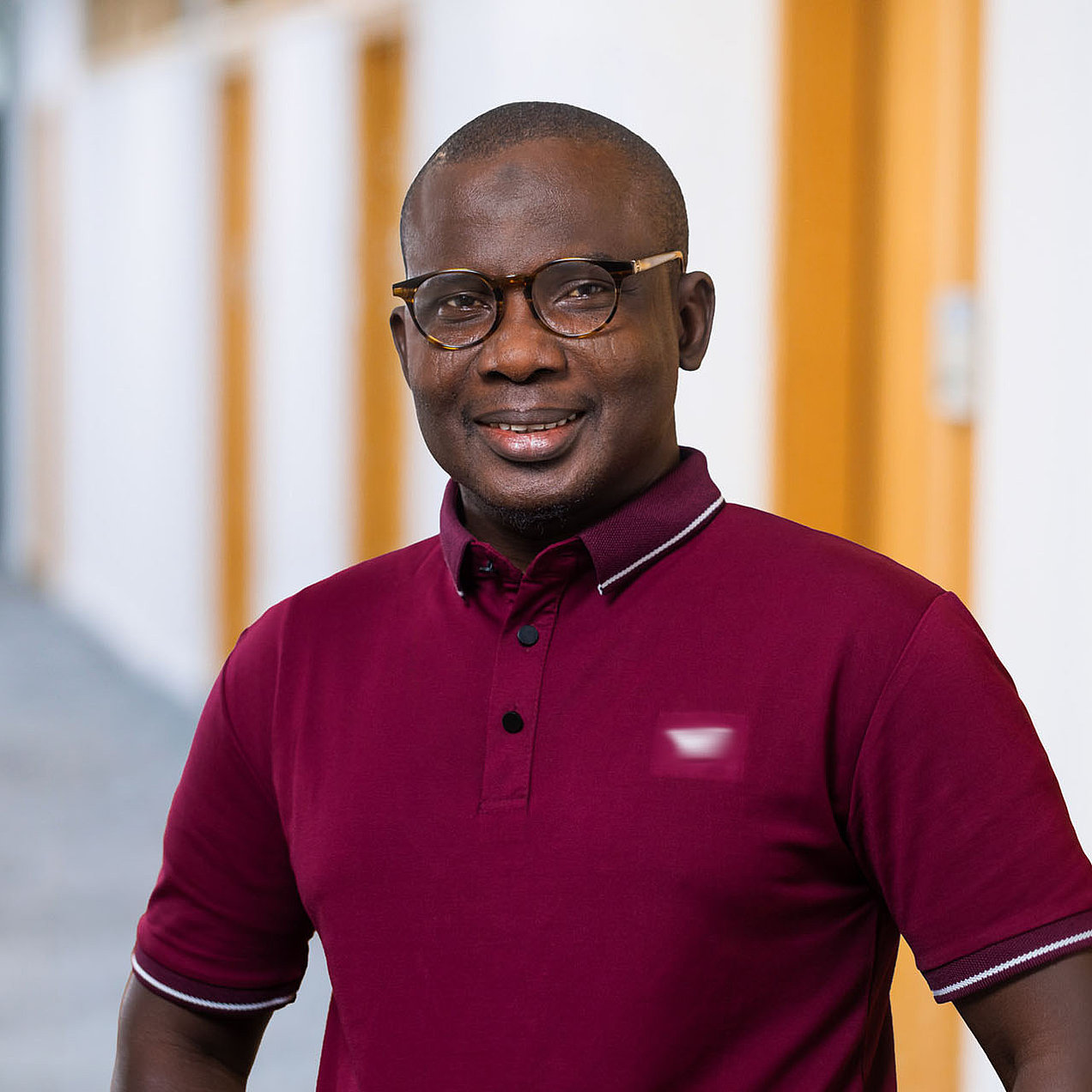
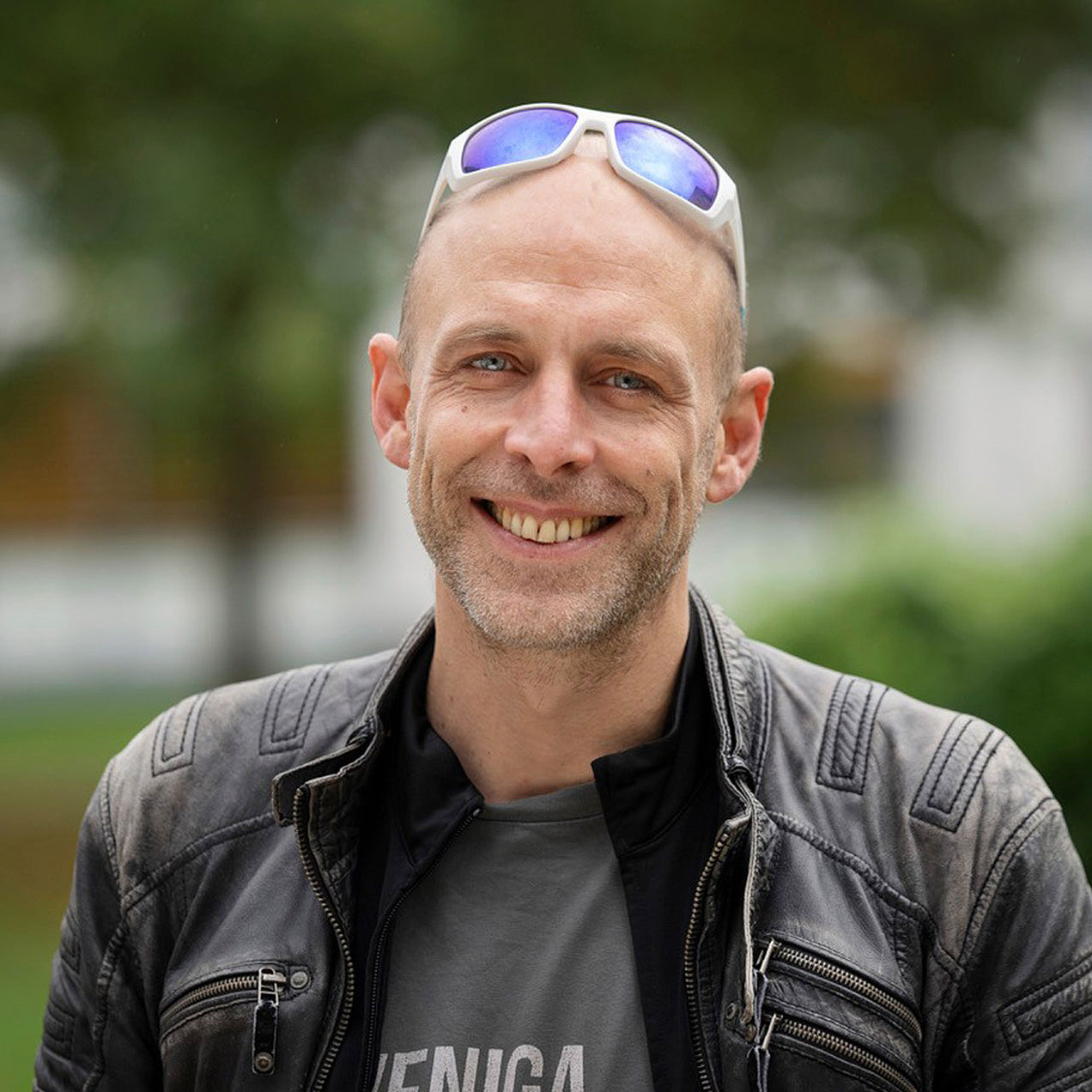
University of Ilorin (Nigeria) | Gender and Development Studies
University of Duisburg-Essen | Socio-Economics
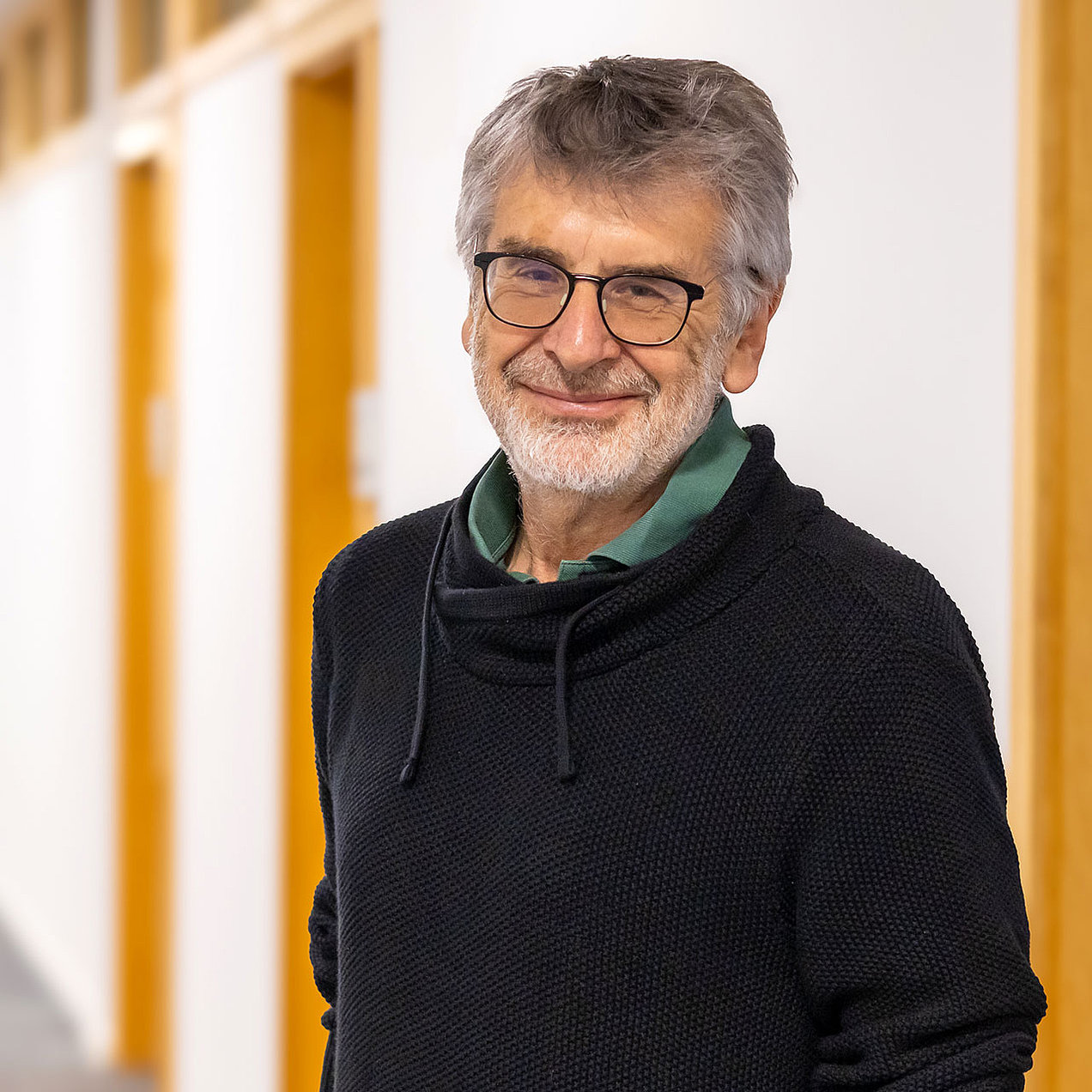
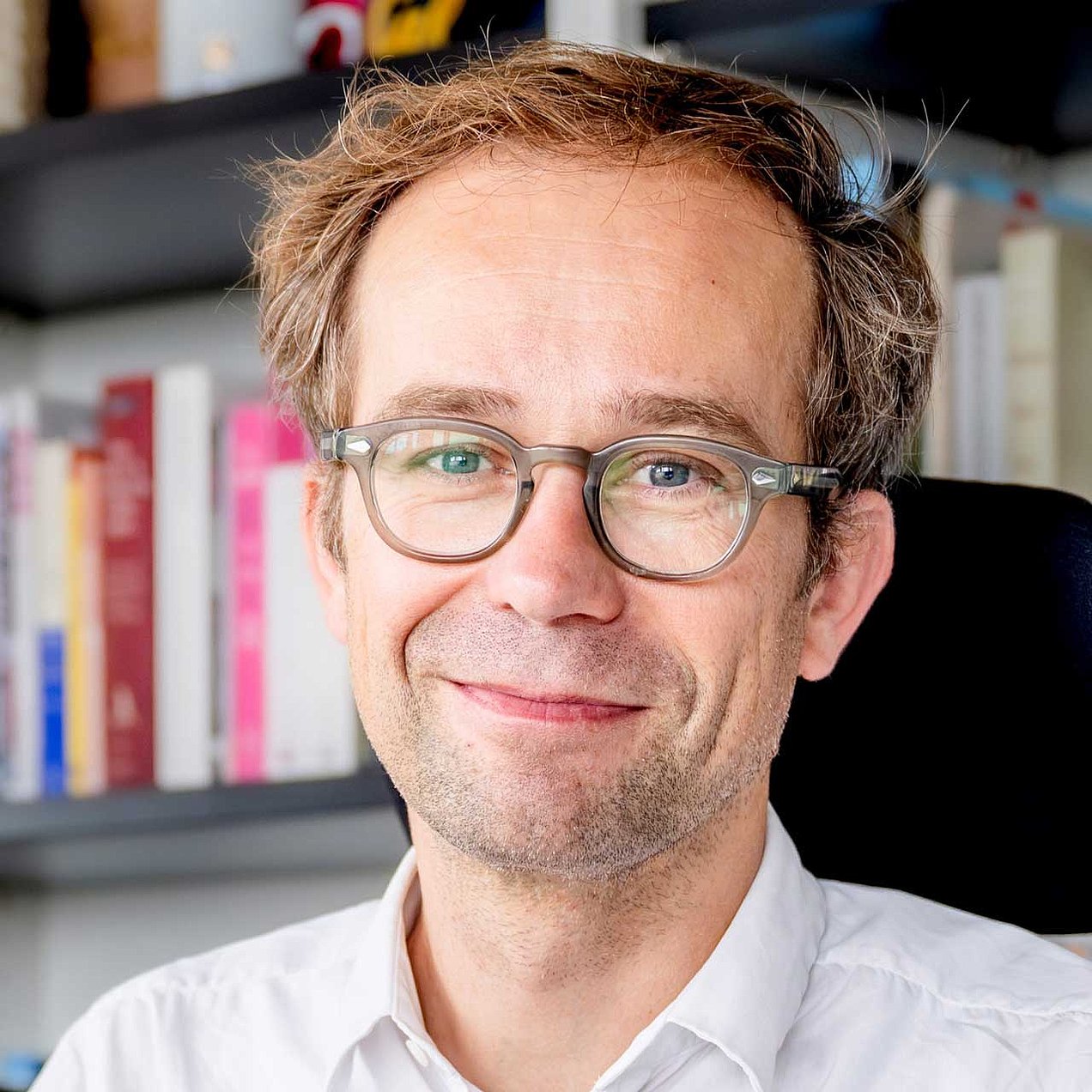
Central European University (Austria) | Cultural and Political History
Ruhr University Bochum | Eastern European History
University of Suffolk (UK) | Sociology, Childhood Studies, Asian Studies
University of Duisburg-Essen & TU Dortmund University | Educational Sciences, Sociology
Waseda University (Japan) | Sociology, Migration Studies
University of Duisburg-Essen | Sociology
RMIT University (Australia) | Design Anthropology, Computing Arts
Ruhr University Bochum | Anthropology of Knowledge

University of Dhaka (Bangladesh) | Anthropology
Ruhr University Bochum | Social Science, Social and Cultural Psychology

O.P. Jindal Global University (India) | Political Science, International Relations
University of Duisburg-Essen | Political, Legal and Social Philosophy
University of Cincinatti (USA) | History, Environmental History
University of Duisburg-Essen & TU Dortmund University | British and Anglophone Literature and Culture & Spatial Planning