Latest Posts
#essay
 ©
© Pexels / Mikkel Kvist
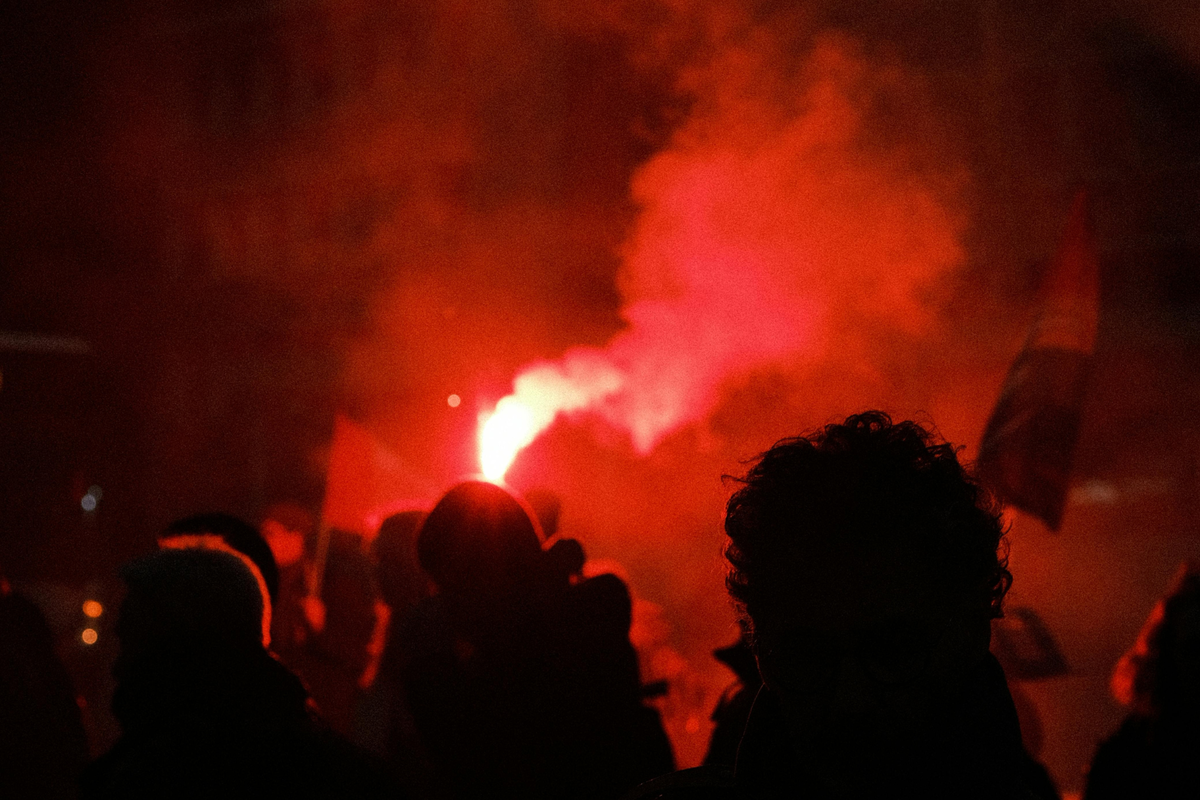
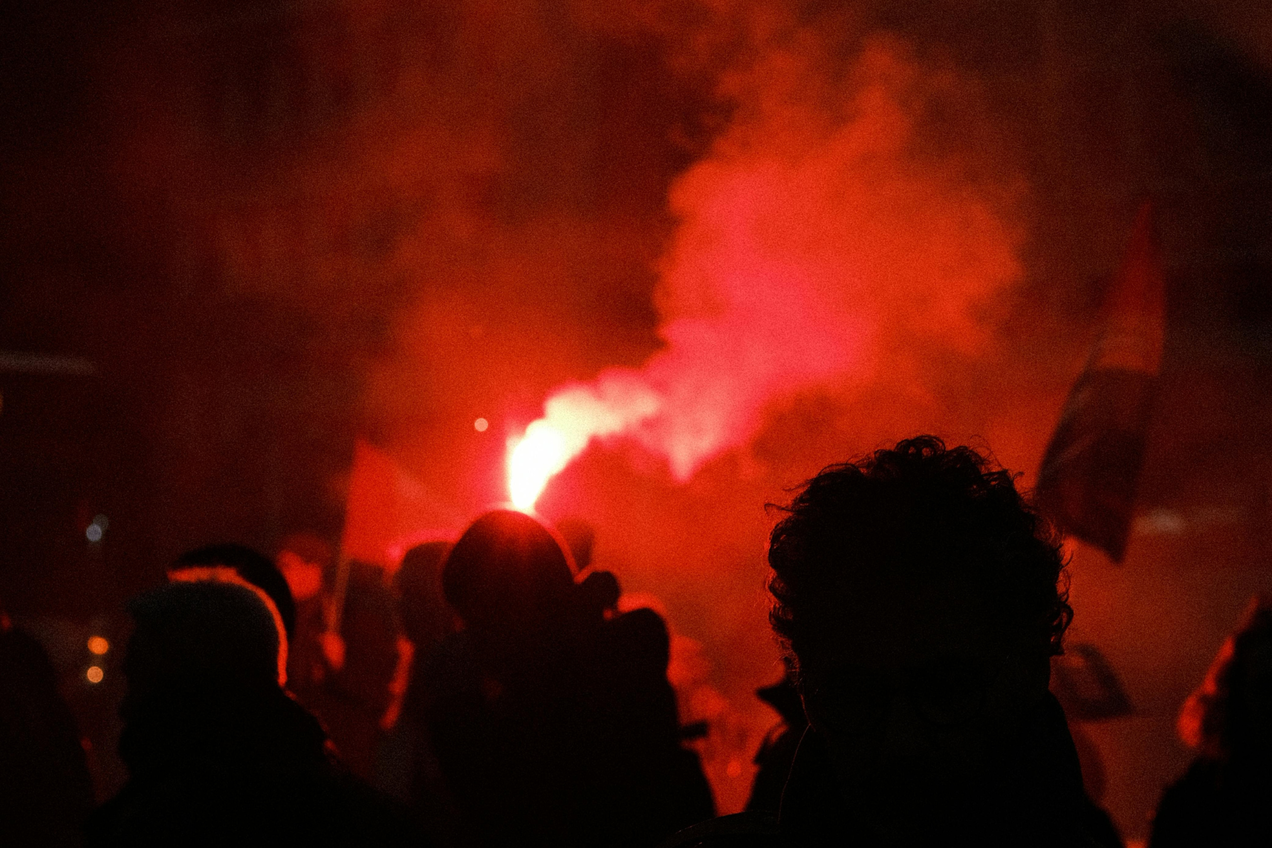
Youth Radicalisation in Transnational Far-Right Networks
In 2024, a pop song in connection with racist content achieved wide reach via social media. Based on this example, education scholars Nicolle Pfaff and Wivian Weller analyse how the spread of transnational far-right ideological views via social media can contribute to the radicalisation of young people.
Read more#policy-brief
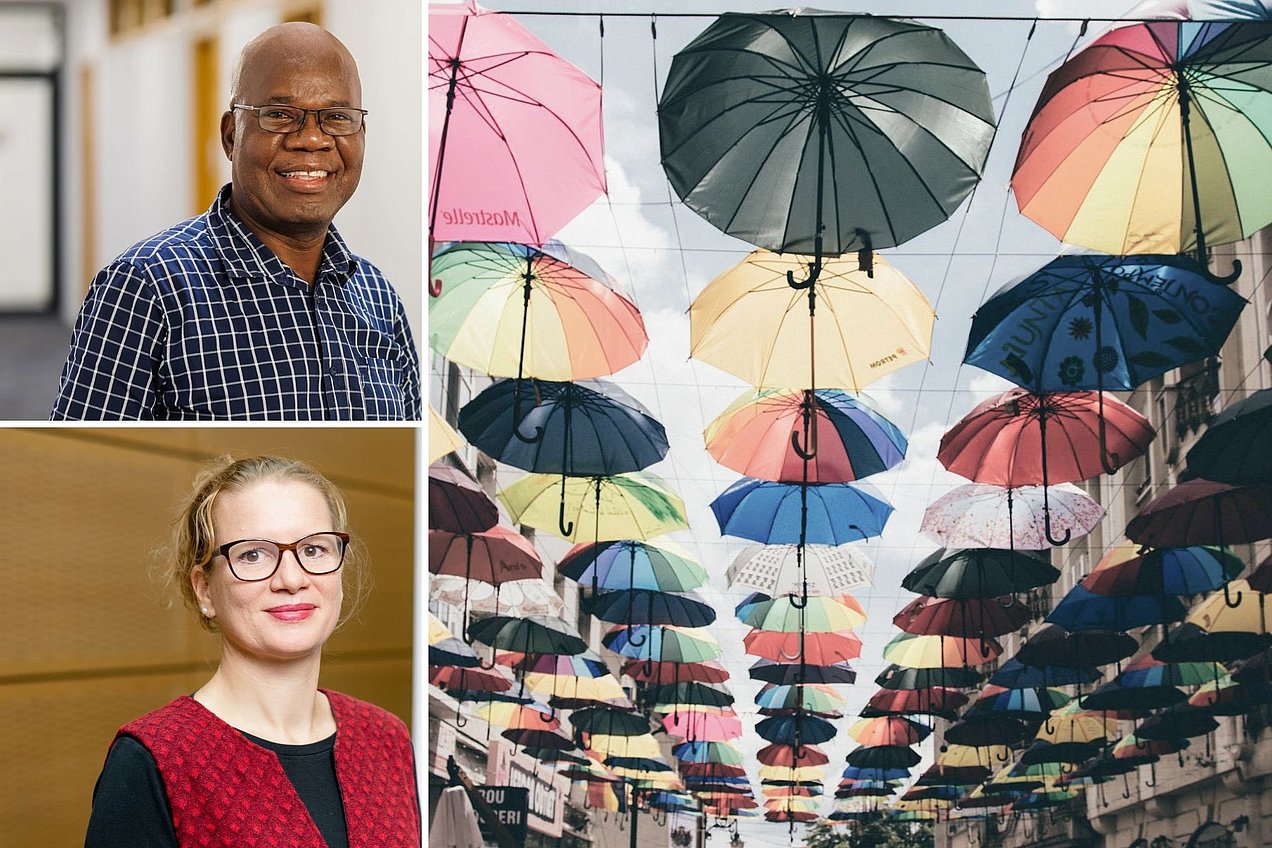
Governing for Healthy Ageing: Intergenerational Social Protection in Sub-Saharan Africa
The population of sub-Saharan Africa aged 60 and over is expected to triple by 2050. Based on a synthesis of demographic, epidemiological, clinical, and policy evidence, Daniel Chigudu and Martina Brandt examine how governance and social protection can be redesigned to meet this challenge and propose an integrated agenda.
Read more#blogpost
 ©
© Pexels / Roman Koval
Feel the Heat. Thermal Inequalities and Health
Against the backdrop of the heatwave in June 2026, Sreeparna Chattopadhyay and Elena Beregow reflect on the impact of extreme heat on our social lives. The blog post highlights how differences in heat vulnerability are connected with inequalities and why protection against heat is a matter of governance.
Read more#blogpost

Growth (In)Dependencies: How Can Societies Become More Resilient?
Can economic growth and environmental sustainability be reconciled? Matthias Kranke and Tabea Waltenberg review the insights gained at their workshop on how growth dependencies may be rethought and reduced – to make societies more resilient and economies more sustainable.
Read more#interview
 ©
© eventfotograf.in
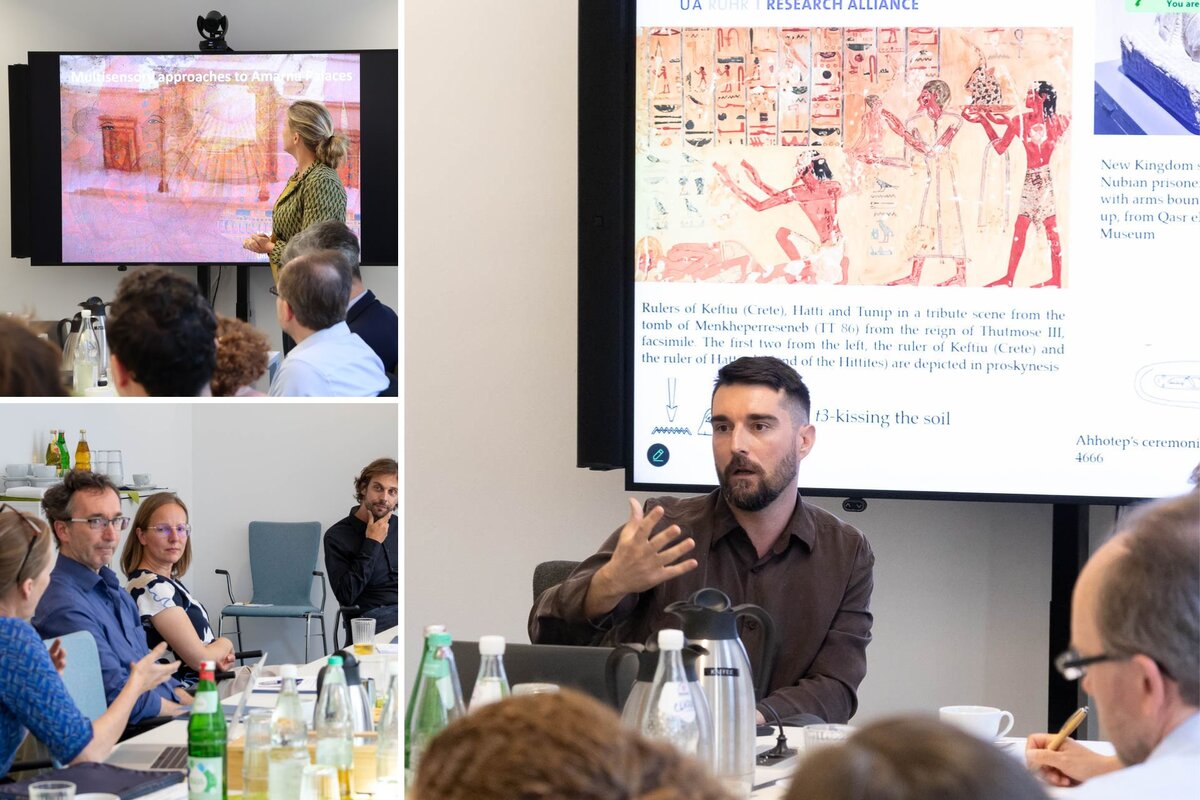
How Environmental Issues are Connected with our Social Worlds
Sule Egya took up the research professorship 'Public Social Sciences and Humanities: Key Societal Debates' in April 2026. In this interview, he explains how environmental issues are connected with colonial history and global imbalances. He also elucidates how he intends to engage the public in debates about current societal issues.
Read more#interview #postdoclab
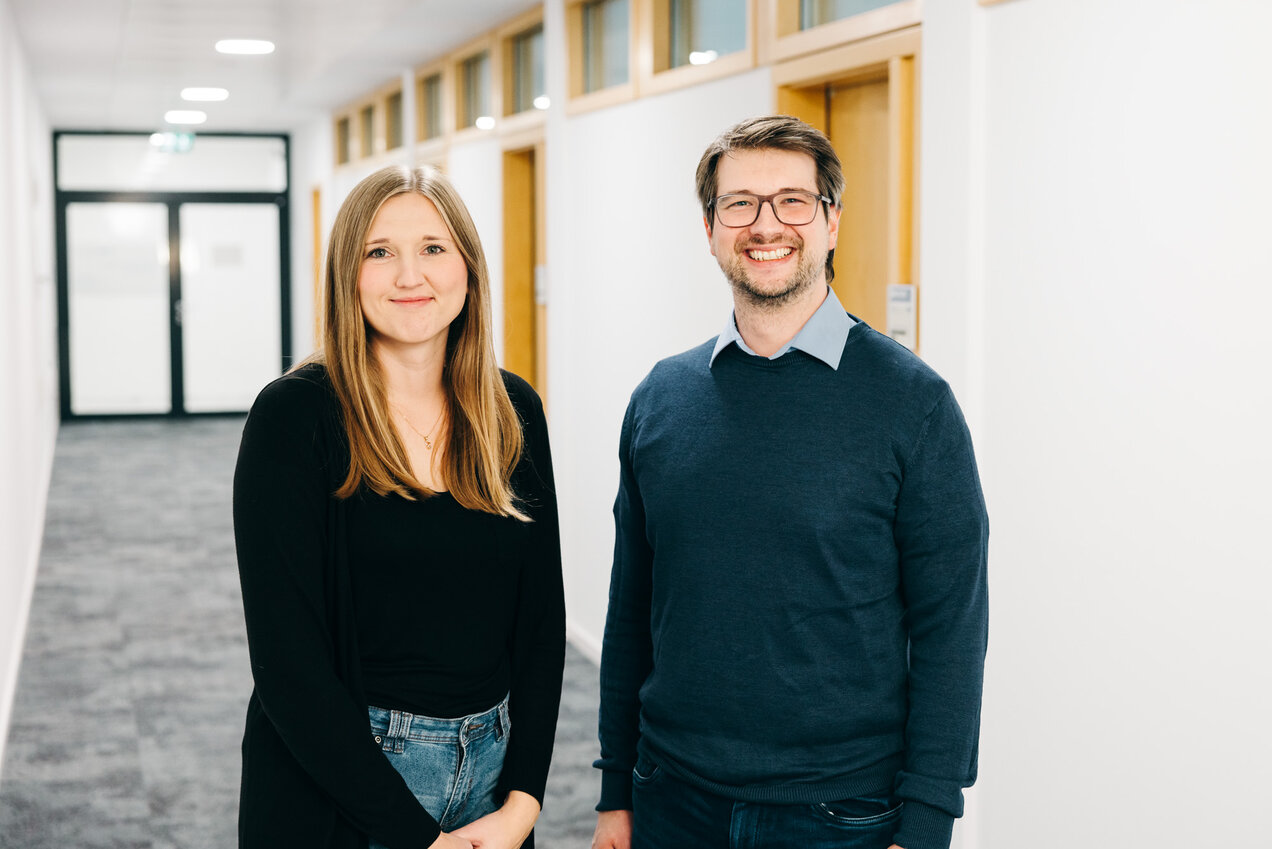
AI in Science Communication: Undermining Trust and Reproducing Stereotypes?
How do young people perceive and react to AI-generated scientific content? Do AI-generated images of scientists reinforce stereotypes? Maximilian Krug and Valentina Nachtigall conducted two studies to explore the role and effects of using generative AI in science communication.
Read more#interview
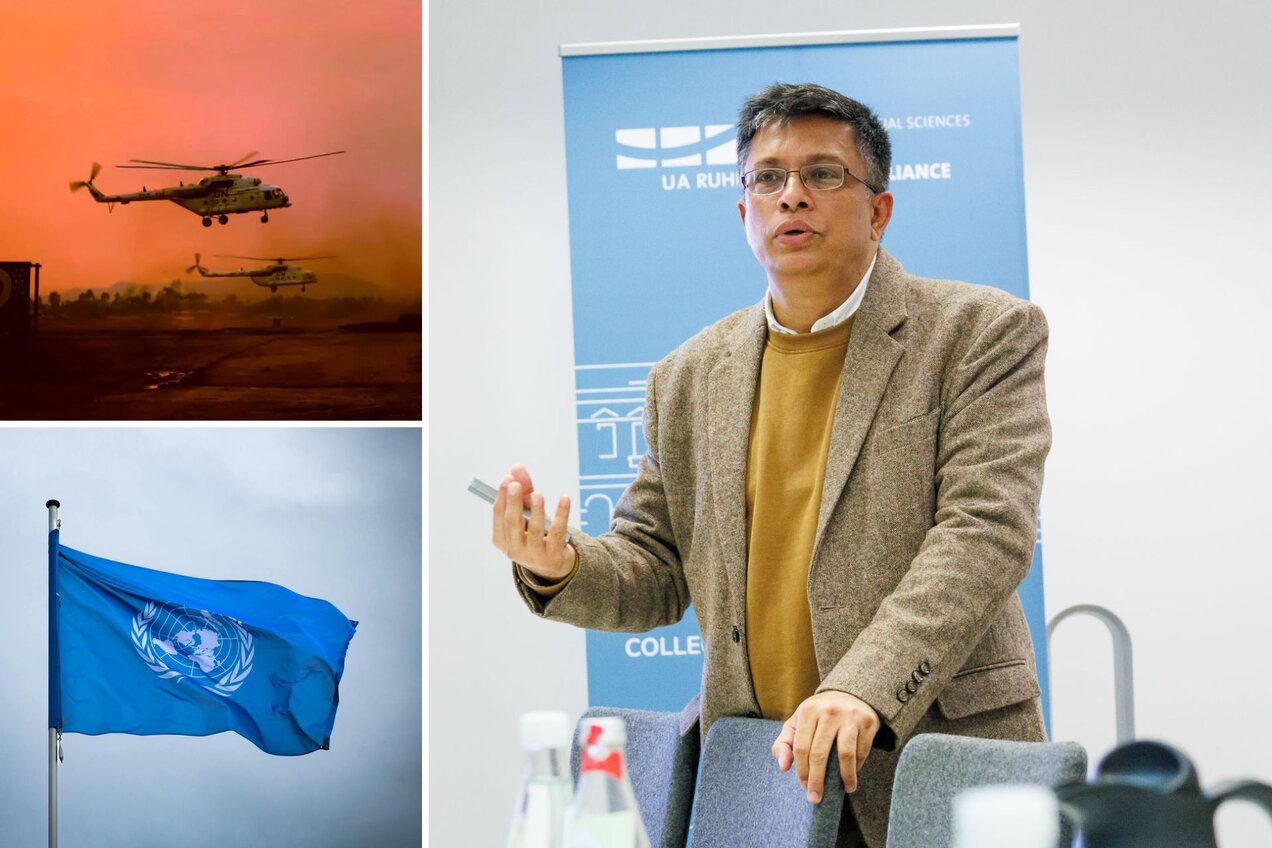
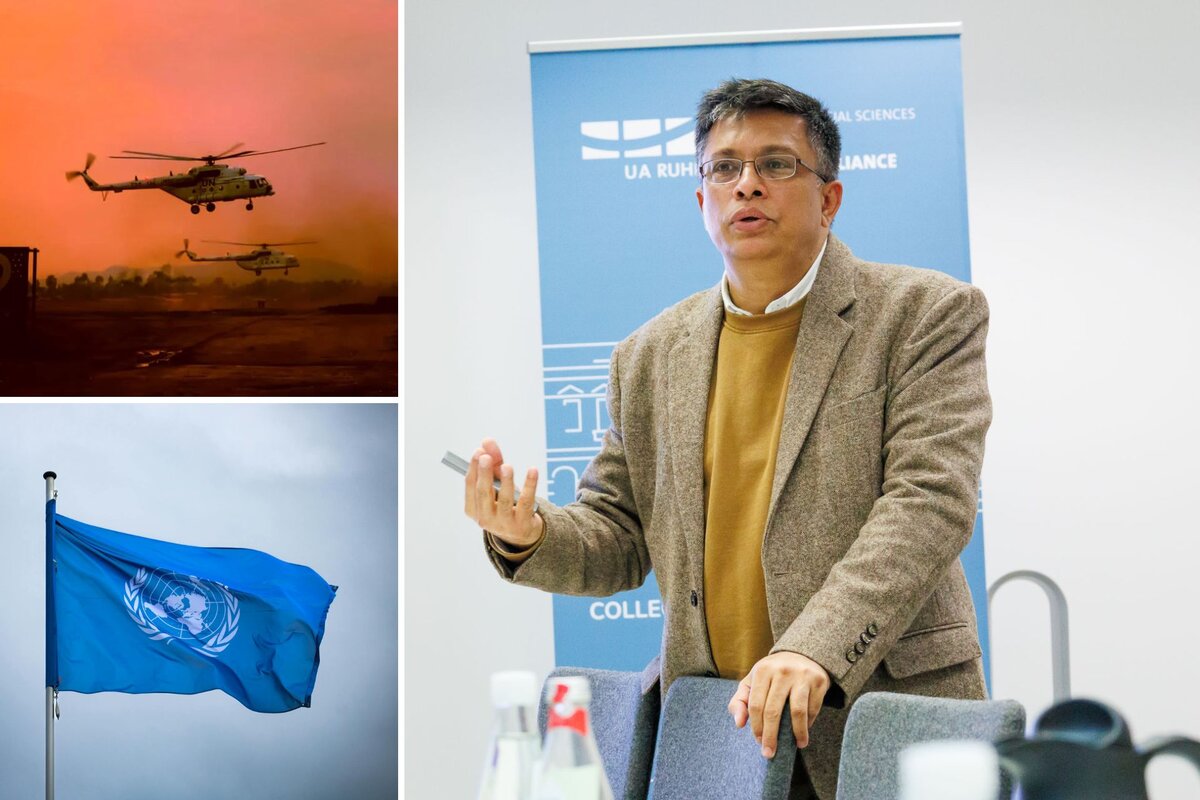
How Norms Take Shape in United Nations Peacekeeping: The Case of Bangladesh
Focusing on Bangladesh and Nepal as two of the largest contributors to UN peace operations, Rashed Uz Zaman examines how peacekeeping norms influence local political, legal, and military structures. In this interview, he relates how these international norms are negotiated within national institutions and how they are reshaped through practice.
Read more