
Interview with former PostdocLab participants
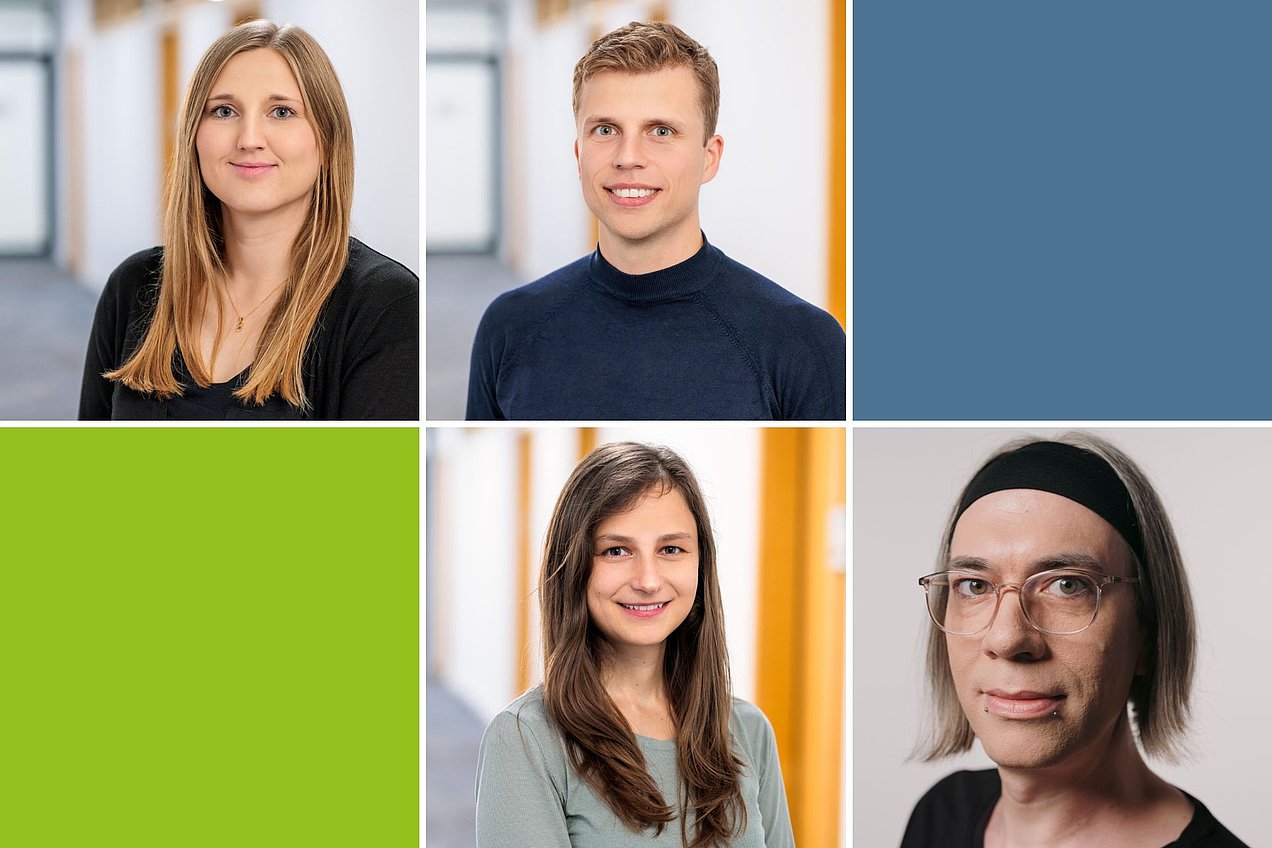
Through the PostdocLab programme, the College for Social Sciences and Humanities fosters cross-university collaboration among postdoctoral researchers within the University Alliance Ruhr, providing funding for academic activities over the course of 1.5 years. In this interview, members of the three working groups that participated in the first PostdocLab cycle from October 2024 to April 2026 reflect on their experiences and what they have learned through their collaborations and recount how they were able to expand their academic networks.
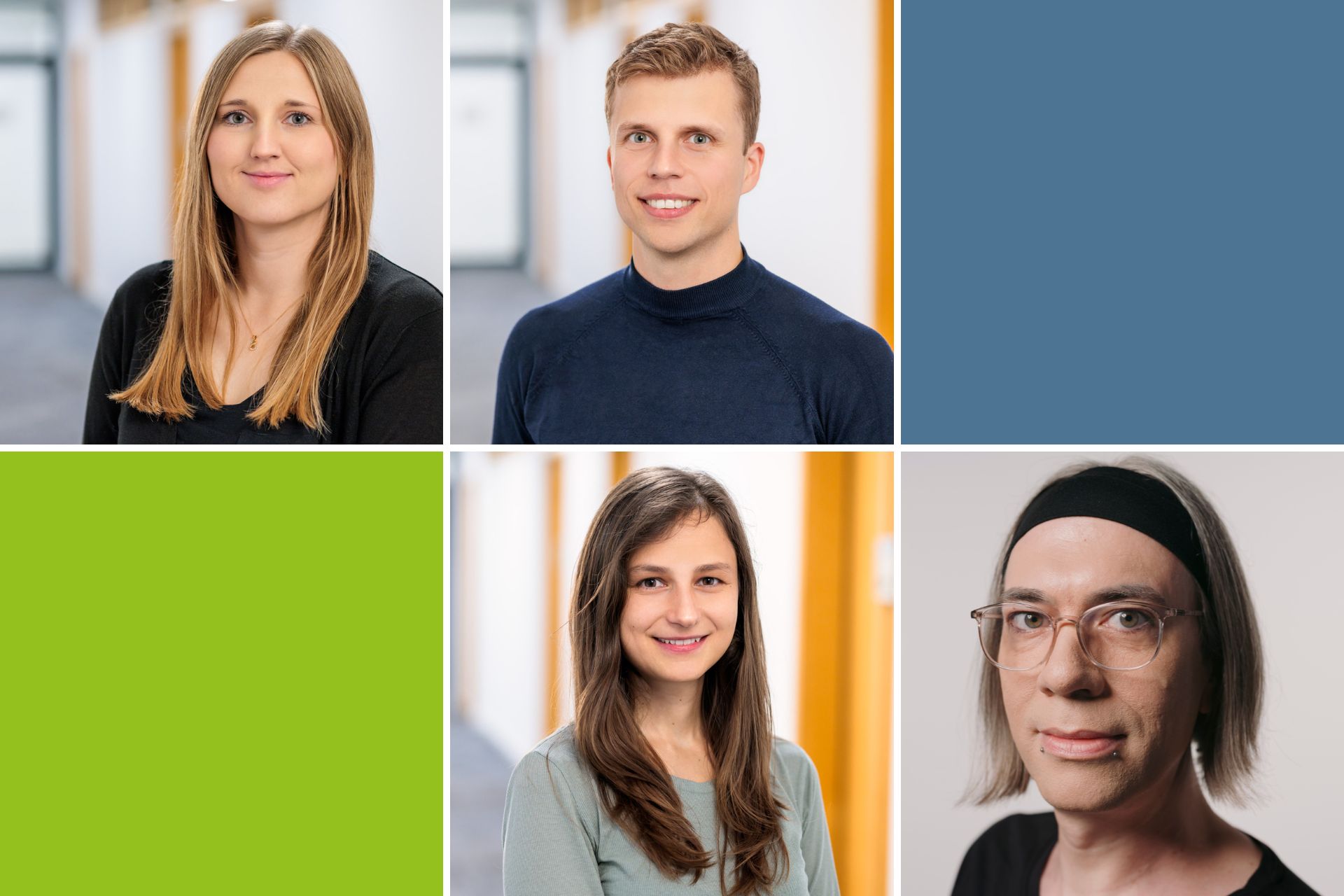
Danique Deimel:
Participating in the PostdocLab has been great for my academic profile. We organised a public lecture at the College with two international guests that attracted a large and diverse audience. We contributed to several conferences together and had lots of opportunities to exchange ideas with other scholars. Our regular project meetings were a real driver for developing, sharing, and sharpening ideas.
Philipp Kadelke:
First, I was able to improve my skills in applying for funding and managing these funds in practice. For example, I learned a lot about finding, hiring, and supervising a research assistant. Second, working in a group broadened my horizons with regard to research activities in the Ruhr region. I was able to establish contacts that will be useful for future publications. Thanks to the financial resources, we were able to organise an expert workshop, which also helped to build academic networks.
Valentina Nachtigall:
Participation in the PostdocLab programme significantly strengthened both my research profile and my academic career. Building on our complementary disciplinary expertise, my group partner and I developed a new research direction at the intersection of our fields, which has evolved into a coherent and timely research agenda on AI in science communication. We conducted two empirical studies and initiated a third. In addition, we jointly prepared a journal article and a full conference paper. Beyond this, the programme provided the structural and intellectual space necessary to establish a sustained interdisciplinary and international research partnership. This enabled me to strengthen my publication pipeline, expand my international network, and sharpen my profile in an emerging area of high relevance.
Pascal Alscher:
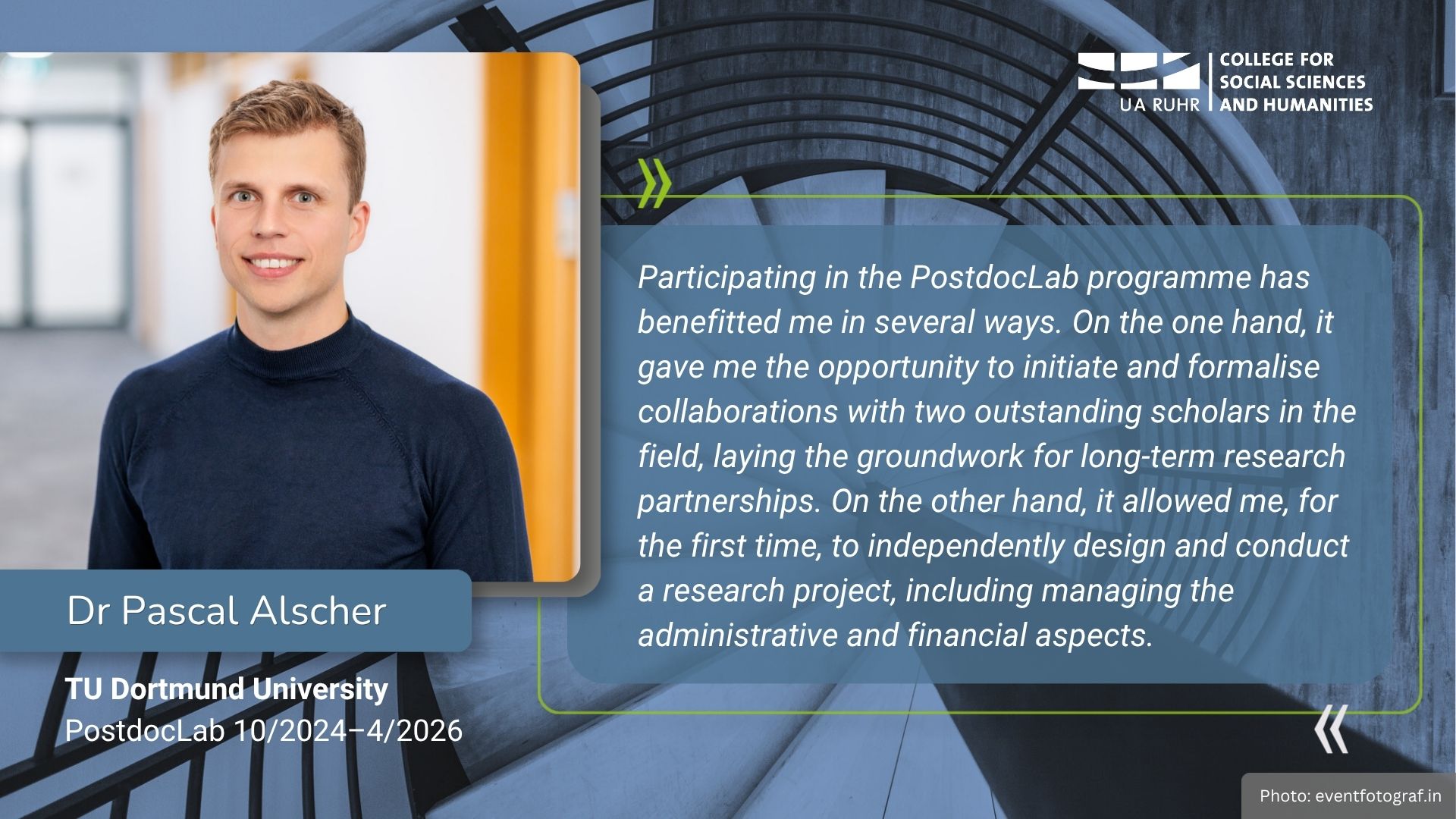
Participating in the PostdocLab programme has benefitted me in several ways. On the one hand, the programme gave me the opportunity to initiate and formalise collaborations with two outstanding scholars in the field, laying the groundwork for long-term research partnerships. On the other hand, it allowed me, for the first time, to independently design and conduct a research project, including managing the administrative and financial aspects.
Pascal Alscher:
A key opportunity was the invitation of two renowned international scholars, Jan-Germen Janmaat and Laura Wray-Lake, to the Ruhr area for a keynote lecture, which led to sustained collaboration with both scholars. As a consequence, I was able to visit Professor Wray-Lake in Los Angeles in the autumn of 2025 for a two-month research stay, and we continue to collaborate.
Valentina Nachtigall:
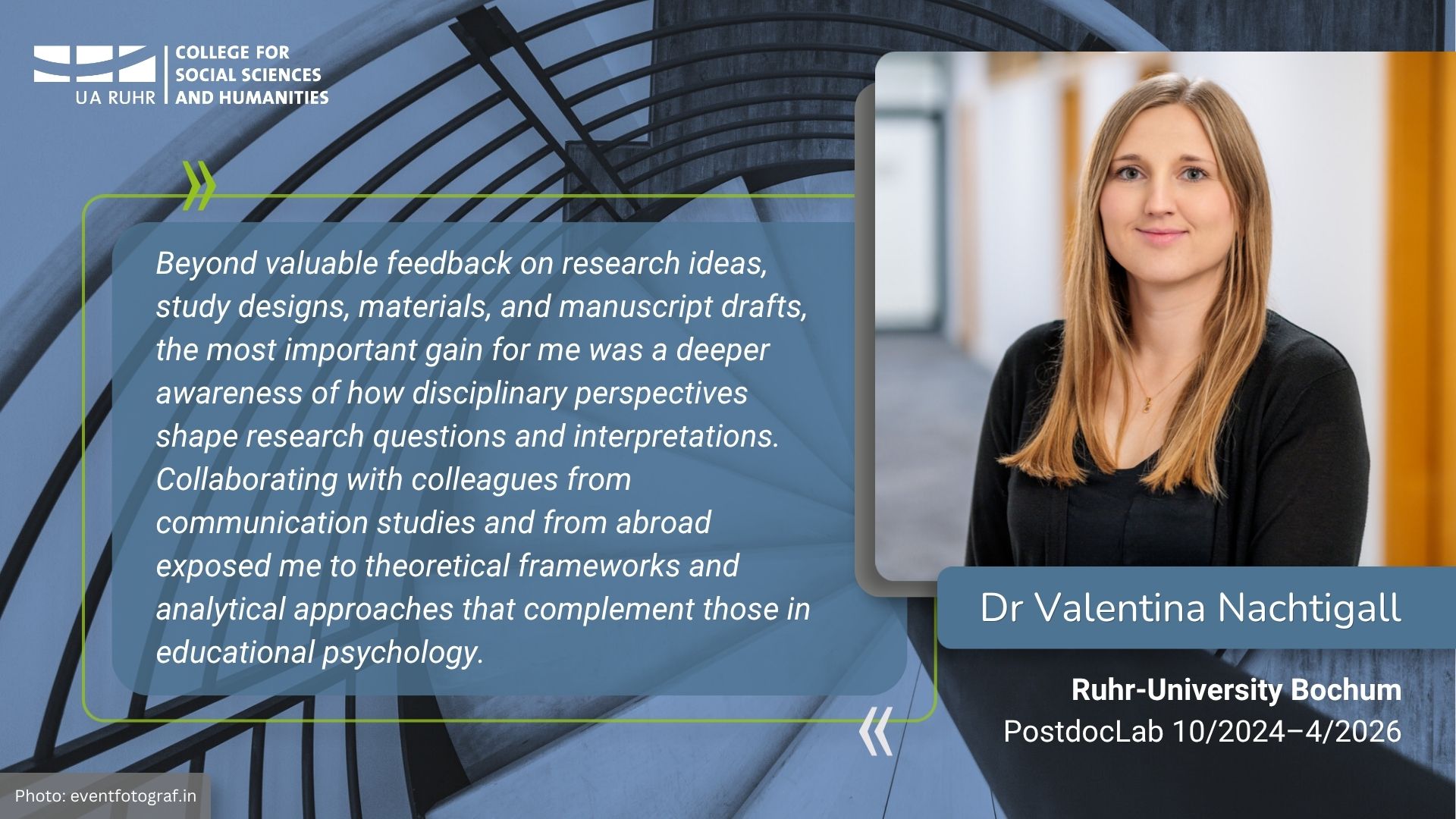
Beyond valuable feedback on research ideas, study designs, materials, and manuscript drafts – as well as the exchange of working routines and research tools – the most important gain for me was a deeper awareness of how disciplinary perspectives shape research questions and interpretations. Collaborating with colleagues from communication studies and from abroad exposed me to theoretical frameworks and analytical approaches that complement those in educational psychology. Immersing myself in these perspectives broadened my conceptual thinking and sharpened my sensitivity to how disciplinary lenses guide exploratory analyses. As a result, I designed my second study in a way that is clearly rooted in educational psychology – focusing on how students learn to engage critically with AI – while still integrating insights from the interdisciplinary collaboration. The latter enhanced both my openness to other approaches and clarity regarding my own academic profile.
Danique Deimel:
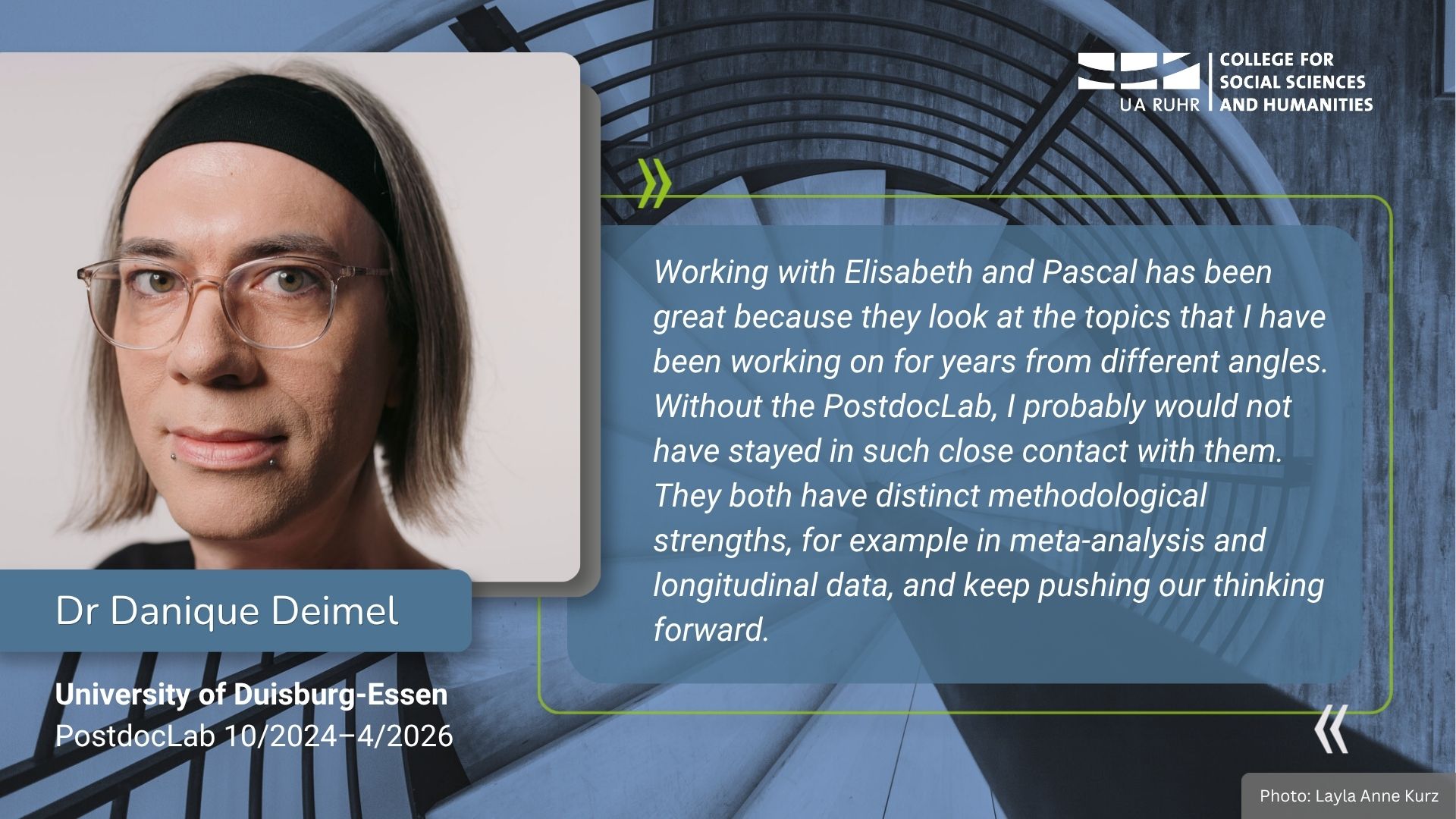
Working with Elisabeth and Pascal has been great because they look at the topics that I have been working on for years from different angles. Without the PostdocLab, I probably would not have stayed in such close contact with them. They both have distinct methodological strengths, for example in meta-analysis and longitudinal data, and keep pushing our thinking forward. I hope we can continue to support each other and maintain the momentum even after the funding has ended.
Pascal Alscher:
When starting the project with Elisabeth and Danique, we quickly realised that we shared a common interest in the role of classroom climate for civic learning outcomes, such as political knowledge and democratic attitudes. Traditionally, it was commonly assumed that an open classroom climate benefits students relatively equally across backgrounds, schools, countries, time periods, and civic learning outcomes. Our work challenges this assumption by showing that students in the same class perceive classroom climate very differently, and that both individual factors, such as civic literacy, and contextual factors, such as the country, play an important role.
Valentina Nachtigall:
The project yielded two central empirical findings from our studies conducted with high-school students and university students in the Ruhr region. First, we found that across both university and school samples, students engaged more critically with AI-generated content about scientists and research than anticipated. Many demonstrated awareness of the limitations of generative AI and expressed a clear preference for authentic, human-generated content. Second, school students who were less critical in engaging with AI-generated images of scientists assessed their AI-related self-efficacy significantly higher than those who engaged more critically. This finding opens an important line of inquiry regarding how overconfidence in AI-related skills develops and how both realistic self-assessment and actual AI competencies can be fostered in educational contexts. We wrote a journal article and a conference paper based on our findings and we organised an interdisciplinary symposium on AI in science communication in order to strengthen exchange at the intersection of AI, education, and communication studies.
Elisabeth Graf:
We plan to continue our work in three main ways. First, we will present our current research projects at conferences and look forward to receiving feedback from the research community. This will help us refine our manuscripts for submission to academic journals. Second, we would like to further strengthen the network we have built. We aim to secure funding for future networking events so that we can maintain collaboration within our group as well as with international researchers. Third, our topic focusing on large-scale assessment data in civic education yields rich possibilities for future collaboration, particularly when new waves of data are published in the near future.
Nina Schuster:
I will continue to work on the research topics I pursued in the context of the PostdocLab. A paper on this is in progress. Through our collaboration in the working group, a sustainable network has (further) developed. Since we do not work in a joint research context, we will probably continue to draw on our collaboration in the PostdocLab, e.g., when applying for future research networks, searching for reviewers, etc.
Valentina Nachtigall:
We will continue developing the project through joint publications and acquiring follow-up funding. Further in-depth analyses of the qualitative data from the study with university students will form the basis of an additional paper. In parallel, we will analyse the data from the third study and jointly prepare a publication on the results. Second, we plan to propose a follow-up project for UA Ruhr funding that supports cross-university research initiatives, building directly on our findings and extending our investigation of how recipients critically engage with AI-generated media across formal educational settings and informal contexts of science communication.
Philipp Kadelke:
I would recommend future working groups to clarify before the start of the funding period whether members want to work on a specific research question or examine a broader research topic from different perspectives. I would also advise agreeing on a jour fixe early to ensure regular exchange.
Danique Deimel:
Make the most of the flexibility that the programme gives you. The PostdocLab offers plenty of space to try out different formats, and the coordinators are genuinely supportive. My main advice: do something that connects you with people beyond your own group (e.g., events, conference formats, networking). And do not be shy to ask what is feasible; in my experience, there is often more support and openness than you might expect.
Nina Schuster:
I recommend future working groups to plan how to use their funding as early as possible. It is probably a good idea to schedule a workshop at the beginning of your collaboration. At the same time, I see a risk of overly high expectations regarding research results. Working groups composed of members who have not previously been involved in a joint research context cannot be expected to generate their own research results solely on the basis of the PostdocLab funding. The funding is not sufficient to finance the research as such, but rather can be used for independently implementing complementary measures that support existing research collaborations. We were able to cover the costs of student assistants, publications and a workshop, in particular.
Elisabeth Graf:
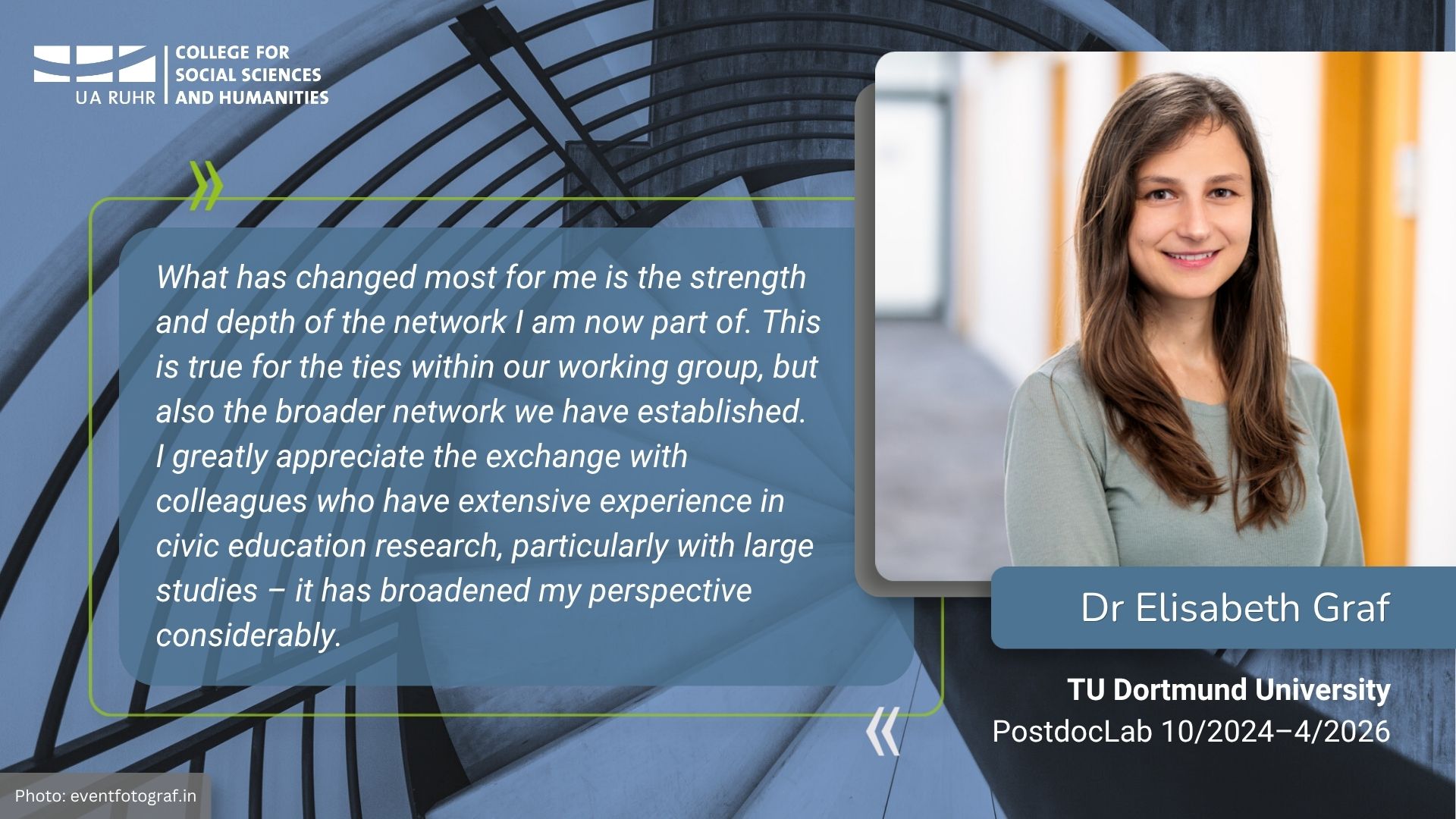
What has changed most for me is the strength and depth of the network I am now part of. This is true for the ties within our working group, but also the broader network we have established. I greatly appreciate the exchange with colleagues who have extensive experience in civic education research, particularly with large studies ─ it has broadened my perspective considerably. At the same time, through our activities and by organising symposia at conferences, we had the chance to connect with many other researchers in the field. Civic education research is still a relatively small field, but scattered across different disciplines and scientific communities. I feel that through our research group, we have had the chance to bring them together.
Philipp Kadelke:
The PostdocLab made me realise how much time it takes to plan and carry out scientific work. It changed the way I approach doing research, encouraging me to consider not only the subject matter but also the people / scholars involved. Thanks to the programme, I also learned how essential regular communication can be, and this is definitely something I want to incorporate in my future work.
Valentina Nachtigall collaborated with Maximilian Krug in the working group ‘Artificially Intelligent Communication of Science’ (AICOS), which investigated the role of generative AI in science communication. Pascal Alscher, Danique Deimel, Elisabeth Graf formed the Civic Education Research Lab (CERL) and shed light on civic education and political socialisation processes based on secondary data analyses. The working group ‘Urban Conflicts and Property’, in which Philipp Kadelke and Nina Schuster worked together with Jenny Künkel, explored the role that property plays in conflicts over the use of urban space.
photos: © eventfotograf.in; photo Danique Deimel: © Layla Anne Kurz
 Back to PostdocLab