
The working group explores co-production in the field of spatial planning as a key concept for facilitating transformative change towards more sustainable and just futures in the face of accelerating environmental and societal challenges. Increasingly recognised in planning research and practice, co-production refers to multi-stakeholder collaboration that positions citizens as active partners in shaping their communities and seeks to ensure that diverse voices – particularly those of historically underrepresented groups – are meaningfully included in decision-making processes. However, the potential of co-production to foster inclusive, spatially just, and sustainable planning outcomes can only be realised when participants possess the capacities and capabilities needed to contribute effectively and meaningfully. This, in turn, requires an intersectional approach that recognises and addresses the diverse social positions and structural barriers faced by vulnerable groups.
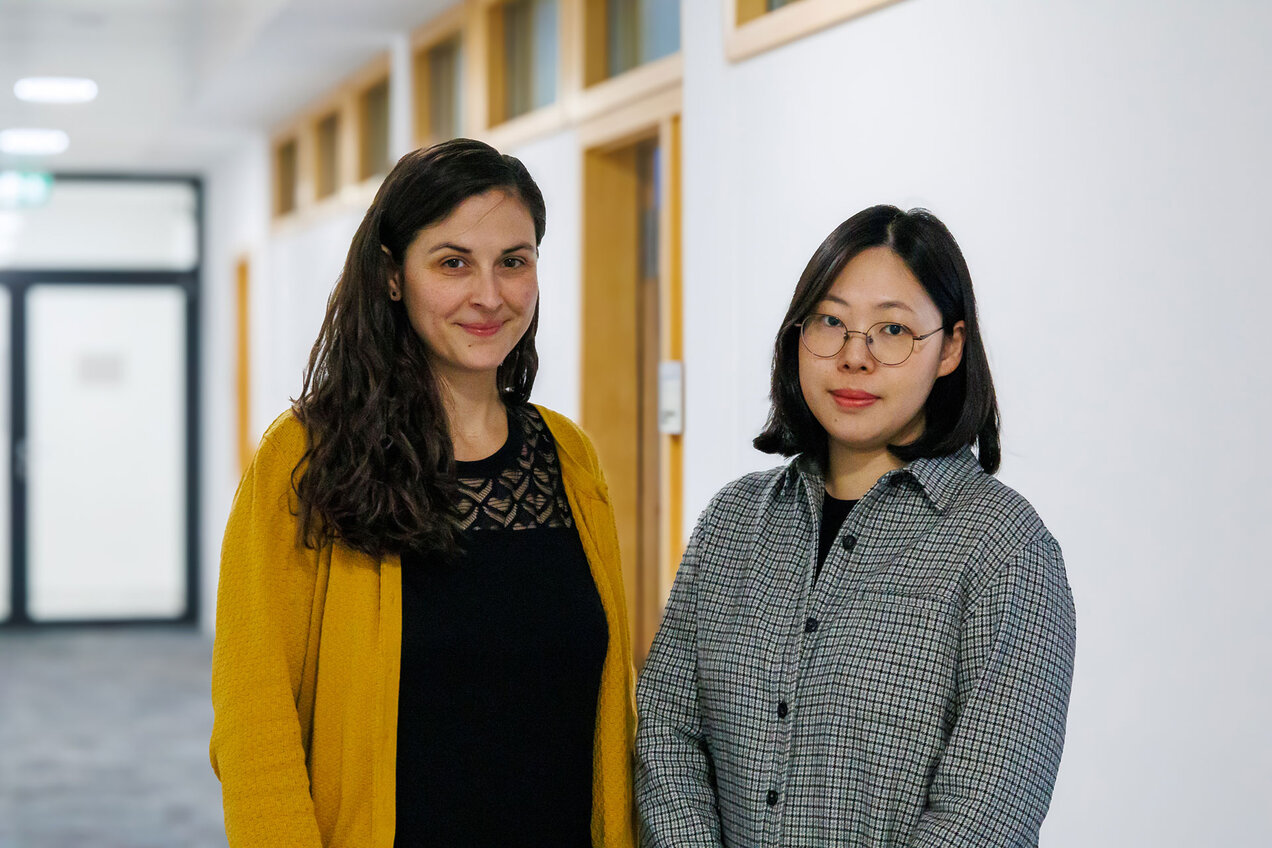

Against this background, the working group aims to investigate how intersectional power hierarchies – shaped by participants’ capacities, capabilities and positionalities – affect the potential for inclusive co-production in urban planning, and how participants can address these power imbalances to create conditions conducive to meaningful co-production. Planned outputs include a joint study examining a number of case studies in the Ruhr region, based on in-depth interviews with participants involved in local initiatives. The findings will be presented at academic conferences and published in a co-authored journal article. In addition, the researchers will organise two key events: an academic workshop at the College for Social Sciences and Humanities with interested colleagues to facilitate knowledge exchange and networking aimed at developing future research collaboration, and a public event bringing together co-producers from the case studies and the wider public to discuss the findings.

Dr Dahae Lee
TU Dortmund University | Department of Spatial Planning
E-mail: dahae.lee@tu-dortmund.de
Dahae Lee is a postdoctoral researcher at the Department of Spatial Planning at TU Dortmund University. Her research focuses on urban governance, with a particular interest in co-production in the field of planning. She is currently leading a project on public space management that is funded by the German Research Foundation (DFG).
Website
https://epc.raumplanung.tu-dortmund.de/en/research-group/team/dr-dahae-lee/

Dr Patricia Rinck
University of Duisburg-Essen | Institute of Political Science
E-mail: patricia.rinck@uni-due.de
Patricia Rinck is a postdoctoral researcher at the Institute of Political Science at the University of Duisburg-Essen. Her research interests lie at the intersection of peace and conflict studies, development studies and gender studies, including the transformation processes associated with the UNESCO Sustainable Development Goals. She has previously held research and teaching positions at the Käte Hamburger Kolleg / Centre for Global Cooperation Research, the Institute for Development and Peace (INEF) in Duisburg, Bielefeld University, and the Rhine-Waal University of Applied Sciences in Kleve. She is co-spokesperson of the working group on Feminist Peace Research at the German Association for Peace and Conflict Research (AFK), and an associate editor of the Journal of Intervention and Statebuilding.
Website