
The film Where We Used to Sleep documents how the few remaining inhabitants of the former Romanian village of Geamăna are struggling with environmental degradation. Following the screening of the film, director Matthäus Wörle and environmental humanities scholar Eunice Ngongkum will have a discussion about the inspiration for the film and the impact of mining on vulnerable communities.
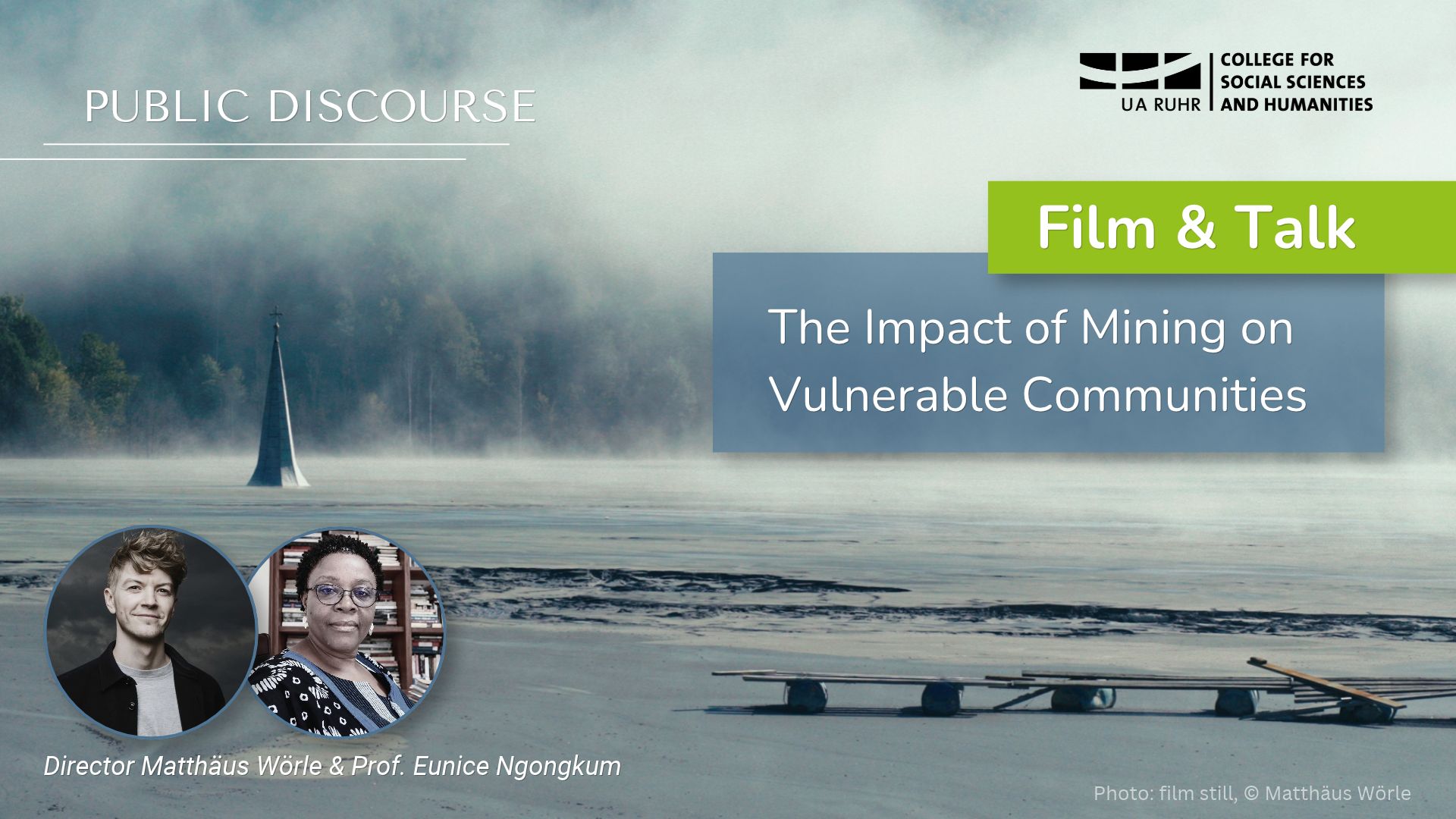
The event features the documentary film Where We Used to Sleep, in which award-winning filmmaker Matthäus Wörle shows how the few remaining inhabitants of what was once the Romanian village of Geamăna are struggling with environmental degradation. Once home to about 1,000 people, most of the village is now buried under poisonous mud from a nearby copper mine. The film narrates the stories of the people who held on to their homes.
Following the screening of the film, director Matthäus Wörle and Eunice Ngongkum, Professor of African Literature and Eco-culture (University of Yaoundé 1, Cameroon), will engage in a conversation. They will reflect on the inspiration for making the film and talk about the ecological effects of mining on vulnerable communities as well as the pressures that extractive capitalism exerts on modernity. This will be followed with questions and answers. Besides enabling Europe–Africa dialogue, the event resonates with the history of the Ruhr region, where the past of mining continues to haunt present life.
This public event is part of the ‘Public Discourse’ series, which is organised and hosted by the research professorship ‘Public Social Sciences and Humanities: Key Societal Debates’ at the College for Social Sciences and Humanities held by Prof. Sule Emmanuel Egya.
Matthäus Wörle is a freelance director and video journalist. His films, which have been shown on television and screened, have won awards at numerous national and international film festivals. He studied journalism at the University of Eichstätt-Ingolstadt and documentary film at the University of Television and Film in Munich. He has worked for Süddeutsche Zeitung, Bayerischer Rundfunk and Nautilusfilm.
 ©
© Aris Rammos
©
© Aris Rammos
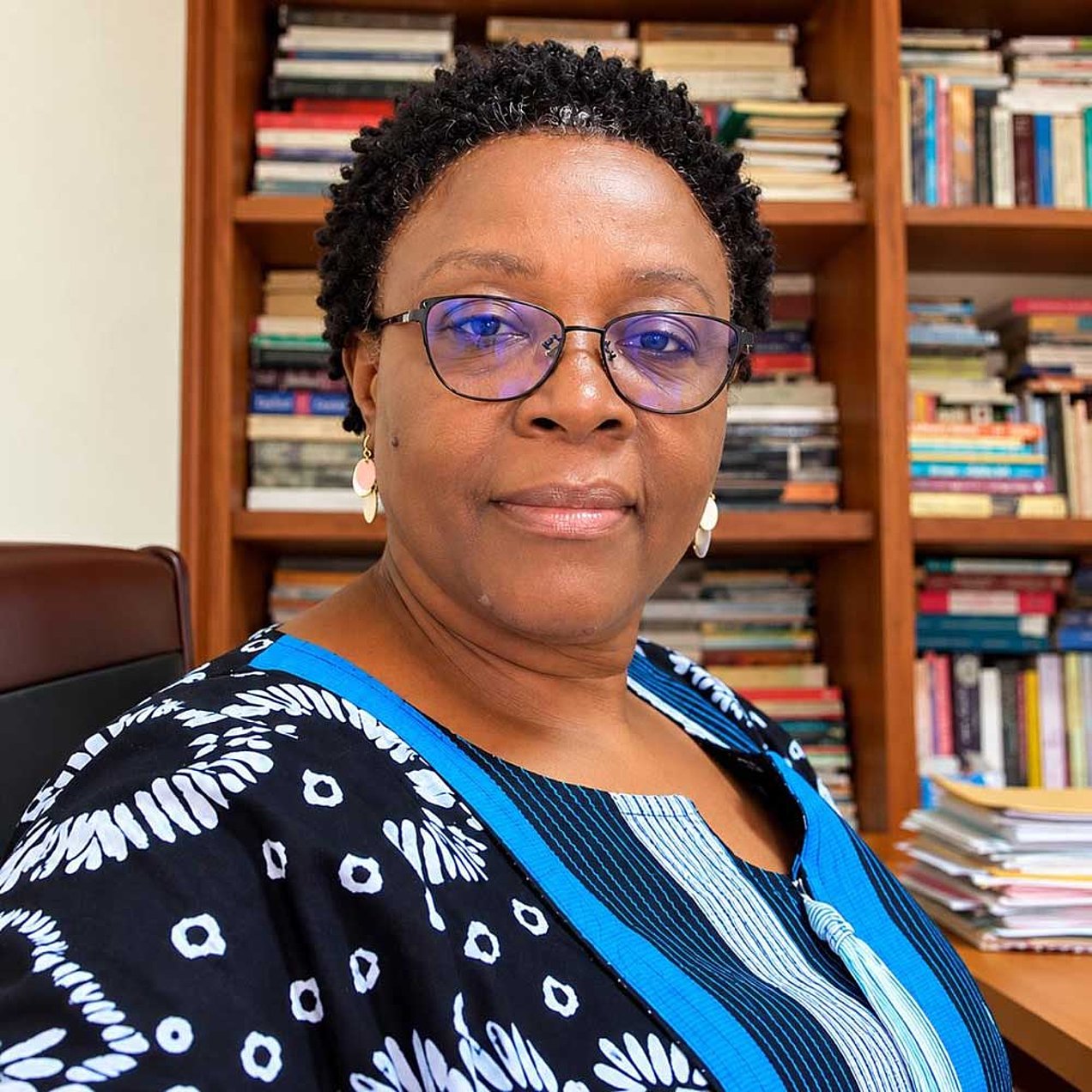
Eunice Ngongkum, PhD, is Professor of African Literature and Eco-culture at the University of Yaoundé 1, Cameroon. Her main research areas include postcolonial African literatures, African oral literature, literatures of the African diaspora, African ecocriticisms and environmental humanities. She has published widely in these areas and has authored Anglophone Cameroon Poetry in the Environmental Matrix (2017), Dennis Brutus' Poetics of Revolt (2018), and co-edited Language, Literature, and the Dynamics of Conflict (2023). She is also a short-story writer and poet.
 ©
© Eunice Ngongkum
©
© Eunice Ngongkum
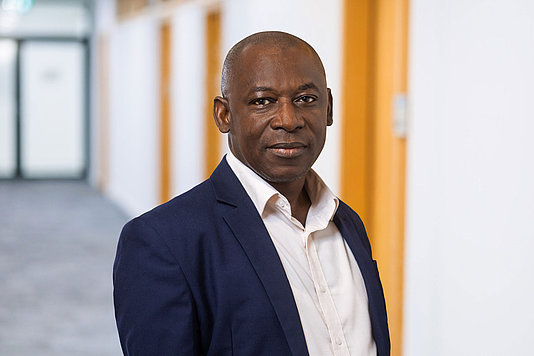
Prof. Sule Emmanuel Egya
Research Professor 'Public Social Sciences and Humanities: Key Societal Debates'
Phone: +49 201 183 65 71
E-mail: sule.egya@college-uaruhr.de
Sule Emmanuel Egya holds the research professorship ‘Public Social Sciences and Humanities: Key Societal Debates’ at the College for Social Sciences and Humanities and the University of Duisburg-Essen as of April 2026. Prior to his appointment, he was Professor of African Literature and Environmental Humanities at Ibrahim Badamasi Babangida University, Nigeria (2014–2026). During that time, he spent several research visits in Germany, including at Humboldt-Universität zu Berlin, LMU Munich and the College for Social Sciences and Humanities. Sule Egya’s main research interests have been about the response of literature and other cultural artforms to social, political, and environmental conflicts. He has published numerous articles, monographs, and edited volumes, including Nation, Power and Dissidence in Third Nigerian Poetry in English (2019), Power and Resistance: Literature, Regime, and the National Imaginary (2019), and Nature, Environment and Activism in Nigerian Literature (2020). He is also an award-winning poet and novelist. He is the author of, among others, Sterile Sky (2012; Commonwealth Book Prize), Makwala (2020; ANA Prose Prize), and What the Sea Told Me (2009; winner, ANA Poetry Prize).
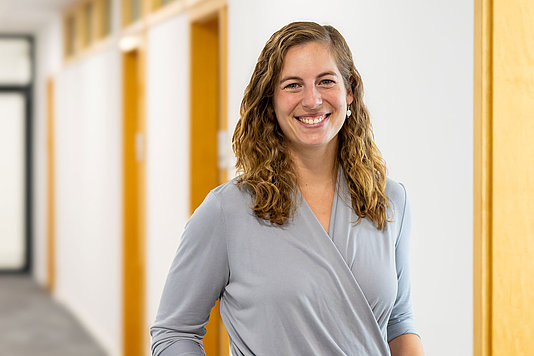
Lisa Seuberth
Postdoctoral Researcher | Research Professorship 'Public Social Sciences and Humanities: Key Societal Debates'
Phone: +49 201 183 65 72
E-mail: lisa.seuberth@college-uaruhr.de
Lisa Seuberth is a postdoctoral researcher at the research professorship ‘Public Social Sciences and Humanities: Key Societal Debates’ (since October 2026), focusing on US-American literature and literary sociology.
She studied English and French as part of her teacher training programme at Friedrich-Alexander-Universität Erlangen-Nürnberg, where she afterwards completed her PhD at the DFG-funded research training group ‘Literature and the Public Sphere’. Her dissertation examines the potential of anglophone prize-winning literature to foster racial literacy in the public sphere, while also analysing the anti-black and white supremacist practices that persist in the selection processes of major literary prizes. Her postdoctoral project shifts the focus from the distribution and reception of literature to the process of literary production, examining the editing of early American women’s writing through an intersectional lens that considers race, gender, and class.