
What is missing in the histories of German Jewish thought and of Critical Theory is a sustained account of their relations to European imperialism and colonialism. This workshop asks how apparently non-systematic references irritate established meanings, allowing the Global South to penetrate into European philosophical modernity.
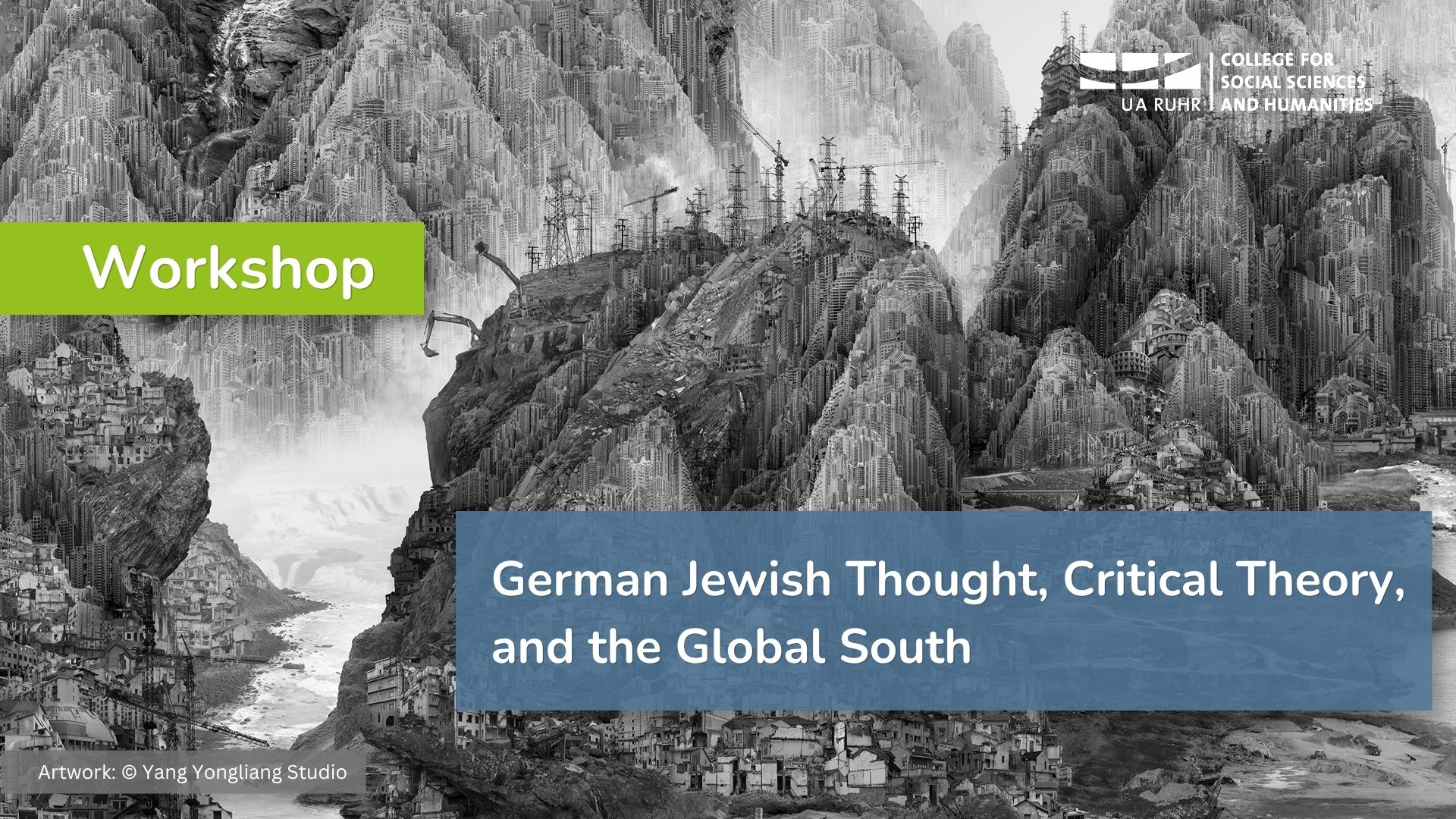
In the history of German Jewish thought, Critical Theory emerges as a secondary moment in the longer line of questions concerning rational religion, tradition and modernity, and political-economic emancipation that were first posed by Mendelssohn and later reframed by Marx and others. Histories of Critical Theory, by contrast, situate the legacy of German Jewish philosophy as one empirical instance of the problem of religion and myth in general and generally framed by Protestant theology. Meanwhile, what is missing in the histories of both is a sustained account of their relations to European imperialism and colonialism. Yet the first decades of the 20th century were arguably the most consequential decades of German colonialism, German Jewish philosophical modernism, and German critical social theory. What happens when we take seriously this mutual irritation of discourses, whose figures and source texts nevertheless aggregate into a barely conspicuous network of shared references and biographical data, not as a historical anomaly but as a negative space from which systematic and methodological insights might emerge? Combining presentations and textual close readings, this workshop asks how apparently non-systematic references irritate established meanings, allowing the Global South to penetrate into European philosophical modernity.
In the history of German Jewish thought, the emergence of Critical Theory is a broadly acknowledged albeit secondary moment in a longer philosophical development out of the incipient questions regarding rational religion, tradition and modernity, and political economic emancipation first posed by Mendelssohn and reframed by Marx and others. Histories of Critical Theory, by contrast, situate the legacy of German Jewish philosophy as an empirical though by no means exclusive instance of the problem of religion and myth in general, and generally framed by Protestant theology, as these were debated by and in reference to theologians, philosophers and sociologists such as Barth, Harnack, Sombart, Weber, Tillich, Cohen, Rosenzweig, Benjamin and others in the first decades of the 1900s. Meanwhile, in the histories of neither has there been a sustained account of their relations to European imperialism and colonialism, with terms such as Orientalism denoting within them vastly different yet not systematically differentiated objects, for instance Jewish Orientalism in respect to 1920s Palestine, Orientalistik, Sinology, extractivism as well as civilization critique. Yet the first decades of the twentieth century were arguably the most intensive and consequential decades of German colonialism, German Jewish philosophical modernism, and German critical social theory. What happens when we take seriously this mutual irritation of discourses, whose figures and source texts nevertheless aggregate into a barely conspicuous network of shared references and biographical data, not as a historical anomaly but as a negative space from which systematic and methodological insights might emerge?
This workshop asks how and with what consequences our terms of reference, our understanding of sources, and even our interpretative methods shift when we re-center the emergence of critical social theory out of German Jewish modernism around European colonialism’s material and philosophical legacy. For, with the notable exception of discussions that took place amongst German Jewish thinkers on Palestine – and even then, there seem to have been few explicit critiques of the European colonial project represented by the British Mandate – one of the challenges has been the dearth of outright acknowledgement or criticism of the ambitions and effects of European imperialism on the Global South. This apparent state of affairs has been taken by much of the scholarship on the history of philosophy of this period as reason enough to shy away from taking seriously any references to the Global South, usually under the pretext that such references are oblique or “merely Orientalist.”
Yet we propose that this makes German Jewish thought of the period a uniquely valuable case study. Moreover, we contest the notion that references to imperialism, colonialism, and the Global south are obscure, marginal, non-systematic, and therefore irrelevant for the systematic study of doctrinal issues. First, it is philologically not the case. In Benjamin’s writings, for instance, semi-colonial China presents as a source for articulating some of modern European philosophy’s most intransigent problems concerning means-ends rationality and the theory of action. Second, we ask whether philosophical ideas are only ever expressions of a mind made explicit. Insights from literary studies have long suggested that texts and the words, images, and concepts they circulate might have their own meaning-making agency, particularly where manuscripts, notes, marginalia, and translations are involved.
Taking these propositions as a point of departure, we ask: How might apparently non-systematic references irritate the established meanings of so-called major texts such that hitherto obscured debates, problems, and interconnections with the Global South penetrate into the European philosophical foreground by virtue of this very irritation? And what new futures of Critical Theory might be articulated as a result of shifting focus to a pluricentric, multilinear approach and interpolating into its formative period European colonialism’s intellectual legacy? Might a critical philology of this legacy render legible the contemporaneity and agency of otherwise inconspicuous, “simultaneously non-simultaneous” (Bloch) movements within the histories of capitalism, modernization, and their critiques?
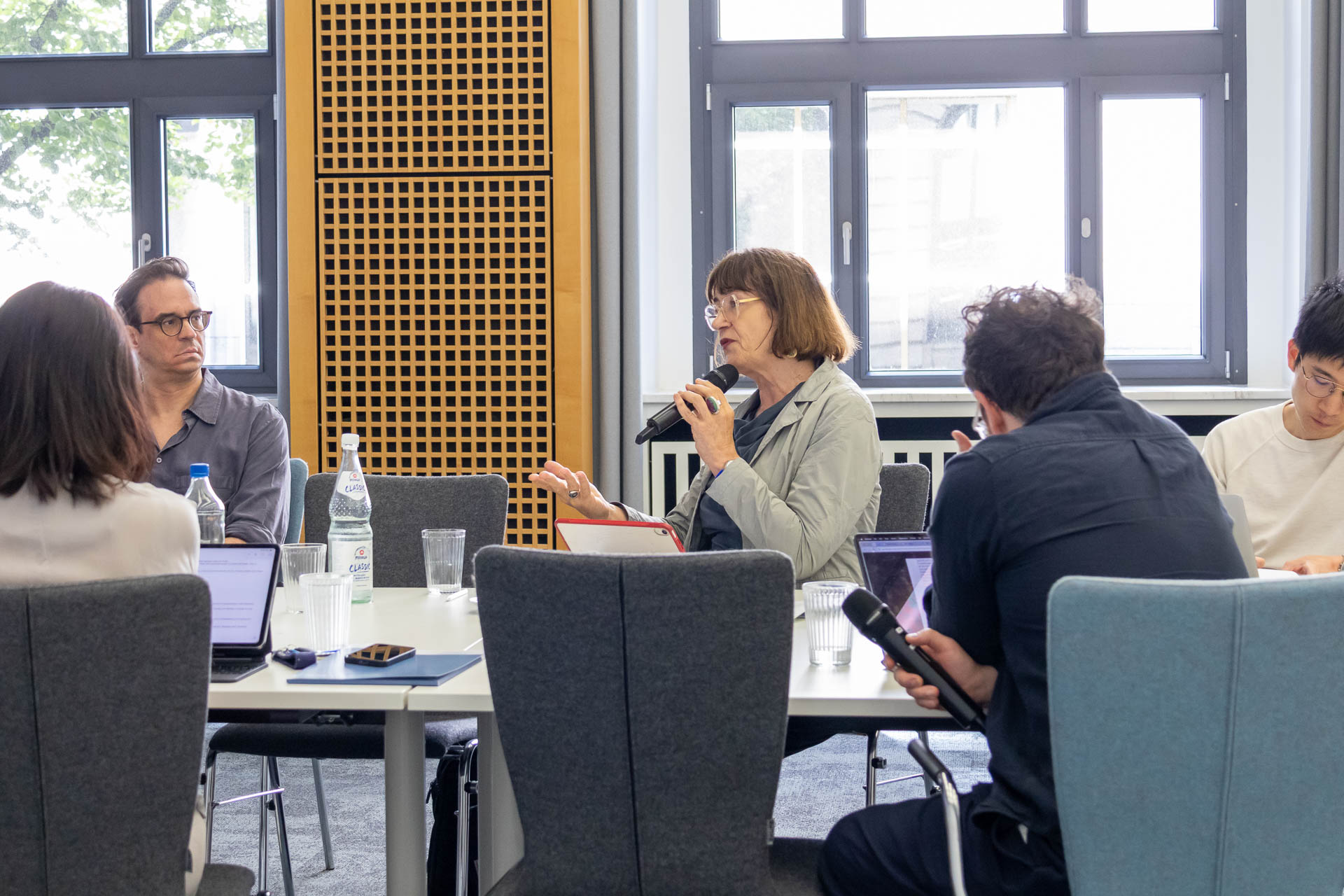
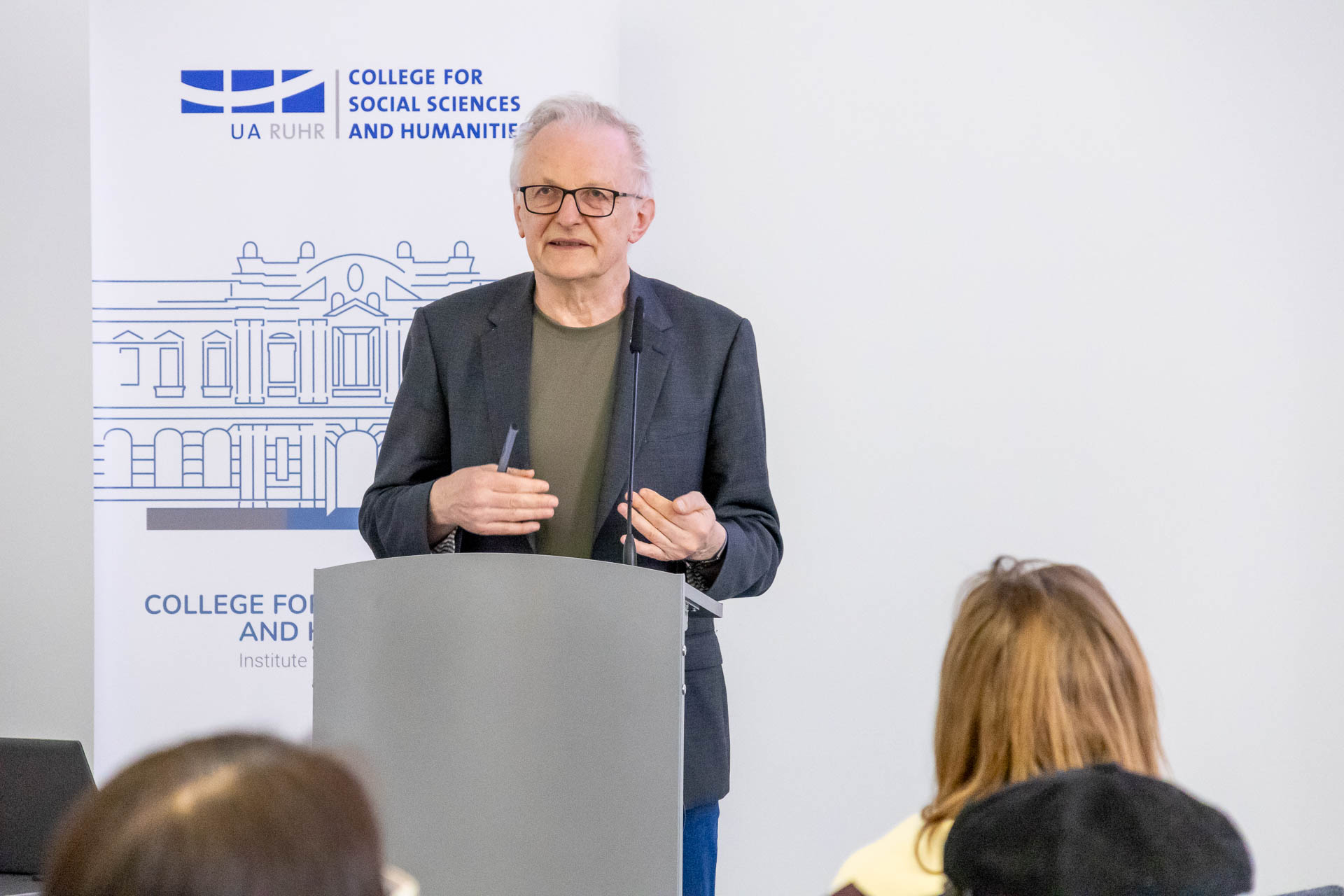
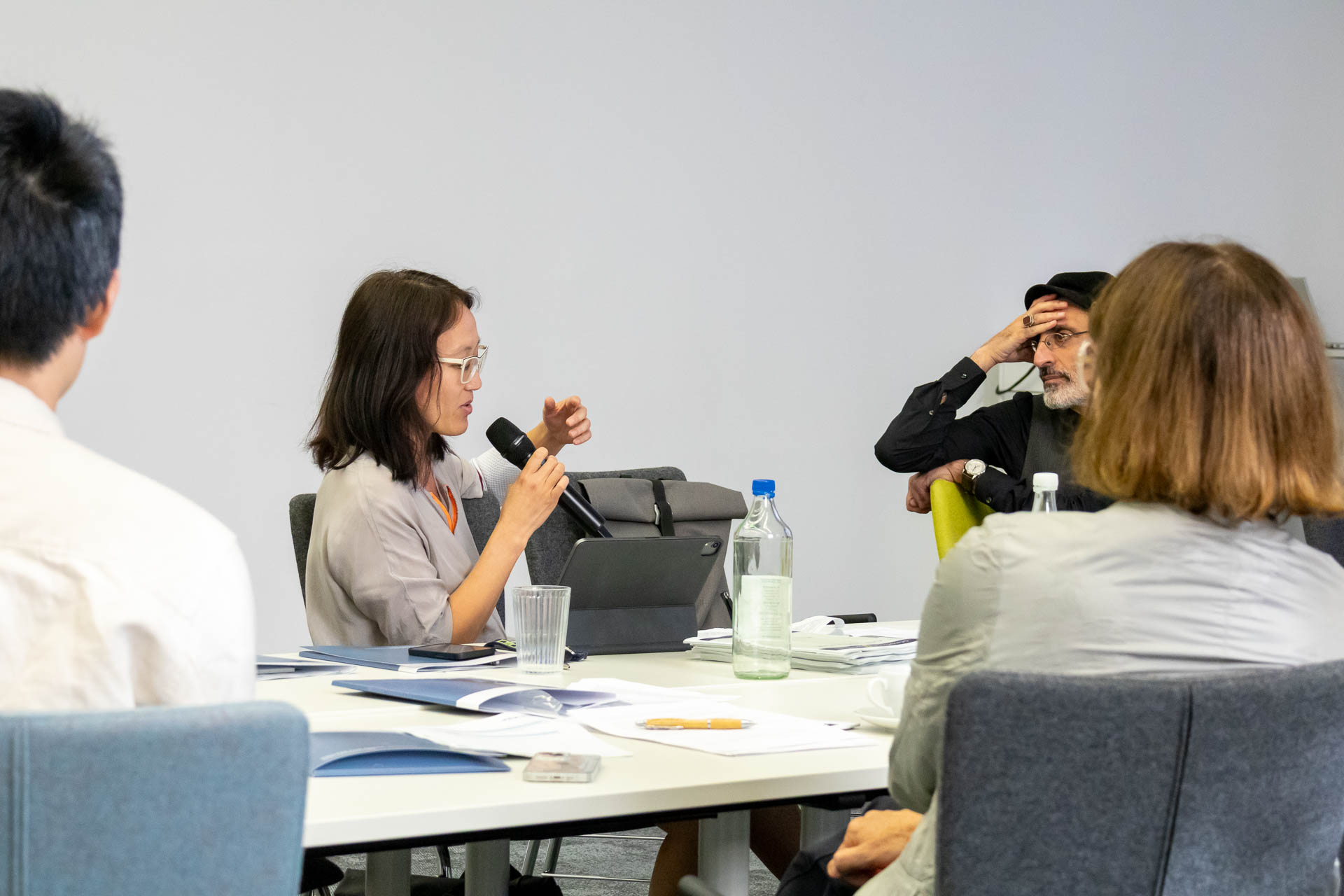
The workshop will combine lectures together with reading sessions devoted to exploring and discussing texts that have been selected by the speakers. The texts will be distributed prior to the workshop to registered participants. Texts will be provided in both their original languages and in English translation where relevant.
The workshop will be held in English.
Arrival and light refreshments
Julia Ng, College for Social Sciences and Humanities & Goldsmiths, University of London (UK)
Astrid Deuber-Mankowsky, Ruhr University Bochum
Welcome and Introduction to the Workshop
Julia Ng, College for Social Sciences and Humanities & Goldsmiths, University of London (UK)
Laozi in Palestine
Break
María Pía Lara, Universidad Autónoma Metropolitana, Mexico City (Mexico)
Waves of Progress and Regression
Break
Peter Fenves, Northwestern University (USA)
On a Second Program of the Coming Philosophy
End of day 1
Yossef Schwartz, Tel Aviv University (Israel)
The Historiographic Debate on Jewish Orientalism – Jews, Germans and the Mobility of Colonial Frontiers
Break
Daniel Loick, University of Amsterdam (the Netherlands)
Messianic Politics (A People Beyond Violence in Rosenzweig’s Star of Redemption)
Lunch Break
Galili Shahar, Tel Aviv University (Israel) & Humboldt-Universität zu Berlin (Germany)
Rosenzweig’s Shahada: Being-Jewish, Becoming-Muslim
Break
Astrid Deuber-Mankowsky, Ruhr University Bochum (Germany)
Social Emancipation of the Bourgeoisie under the Political Form of Despotism: Benjamin and / on Goethe
Break
Friedrich Balke, Ruhr University Bochum (Germany)
The ‘Butterfly Hunt’: ‘Toward’ the Critique of Violence in Walter Benjamin’s Berlin Childhood around 1900
Closing Remarks
End of day 2
Dinner for invited speakers
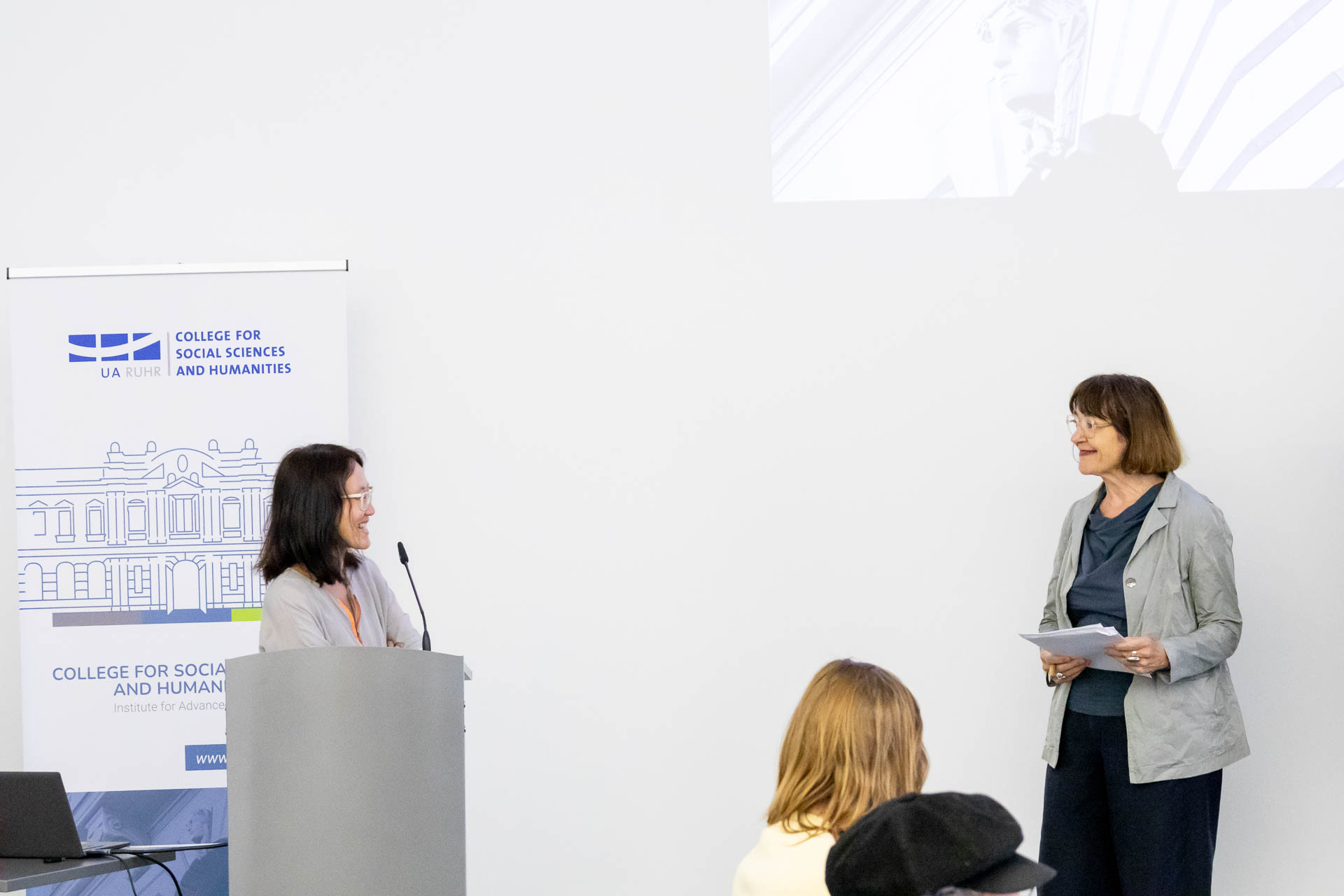
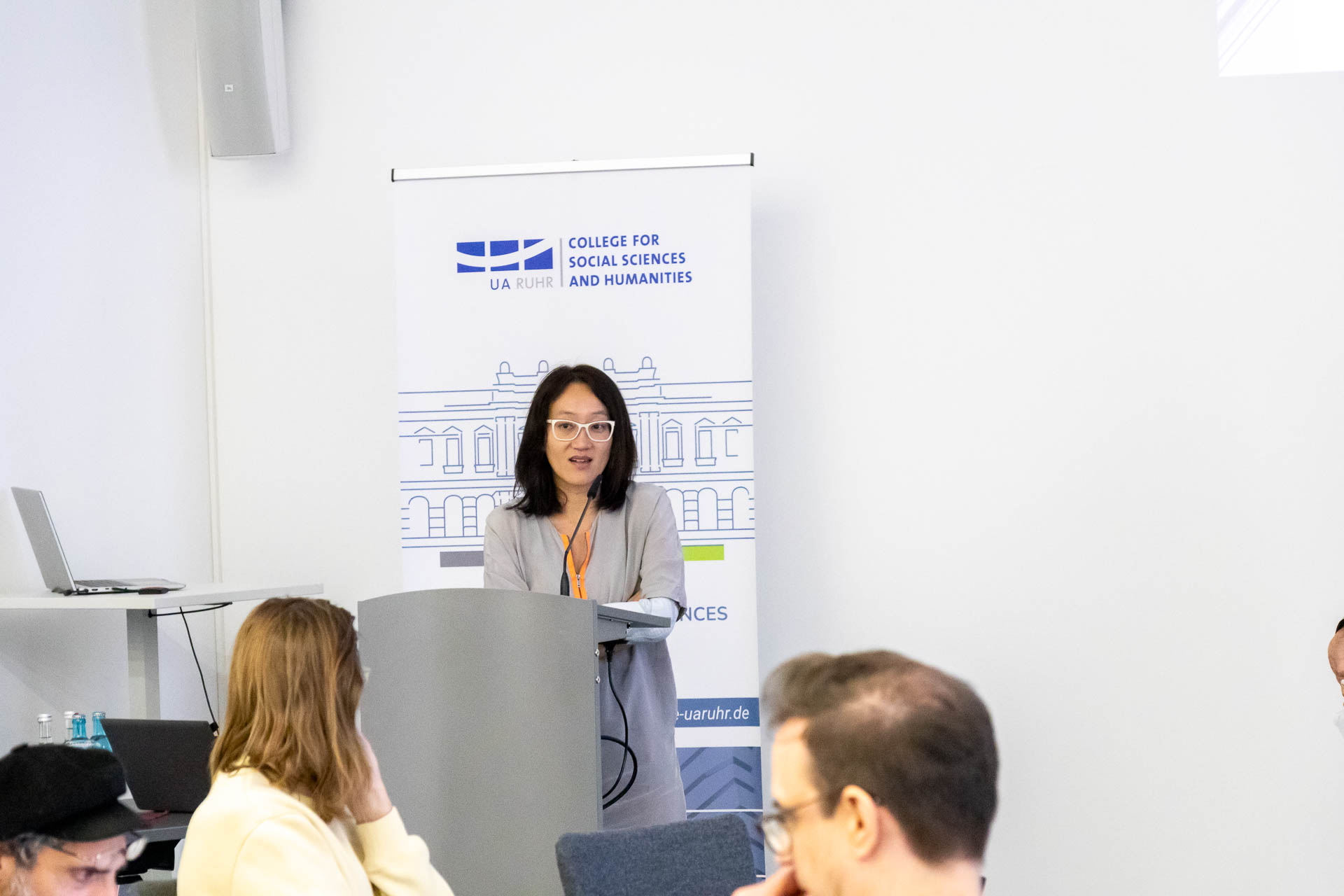
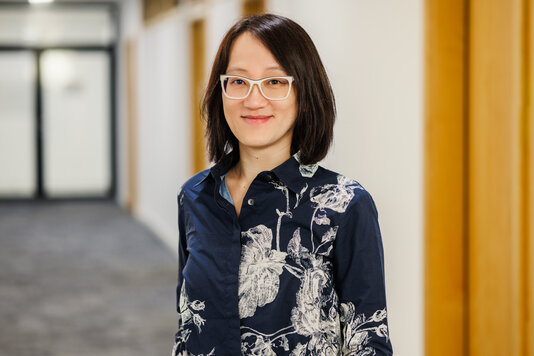
Prof. Julia Ng
Goldsmiths, University of London (UK) | History of Philosophy, German and Comparative Literature
Julia Ng is Reader in Critical Theory and Founding Director of the Centre for Philosophy and Critical Thought at Goldsmiths, University of London (UK). Her work has explored the links between modern mathematics and political thought, modern German-Jewish philosophy, and theories of history and language in the 20th century, particularly in the work of Walter Benjamin.
Julia Ng's investigation of the history of Critical Theory is based principally on archival research: as seen, for instance, in her co-edition of Walter Benjamin, Gershom Scholem, and the Marburg School: Special Issue of the Modern Language Notes 127.3 (2012), and (with Peter Fenves) of Walter Benjamin's Toward the Critique of Violence and associated fragments (2021), which also contains her new translation and critical annotations on Benjamin's essay. She is also the co-editor of Werner Hamacher's writings on Friedrich Hölderlin (2020) and contributes more broadly to literary and Critical Theory with work on Derrida, Agamben, Kant, Descartes, Shakespeare, Sappho, Sterne, Kraus, Baudelaire, and figures of reversibility, undecidability, singularity, and the philosophical archive.
Julia Ng is currently completing a book on Daoism and capitalism based around Benjamin’s and Weber’s respective images of China ancient and modern, which has received support from a British Academy Mid-Career Fellowship, the Leverhulme Trust, the Center for Jewish History (New York City, USA), and the British Society for the History of Philosophy.
Website
https://www.gold.ac.uk/music-english-theatre/people/ng-julia/
 ©
© Damian Gorczany
©
© Damian Gorczany
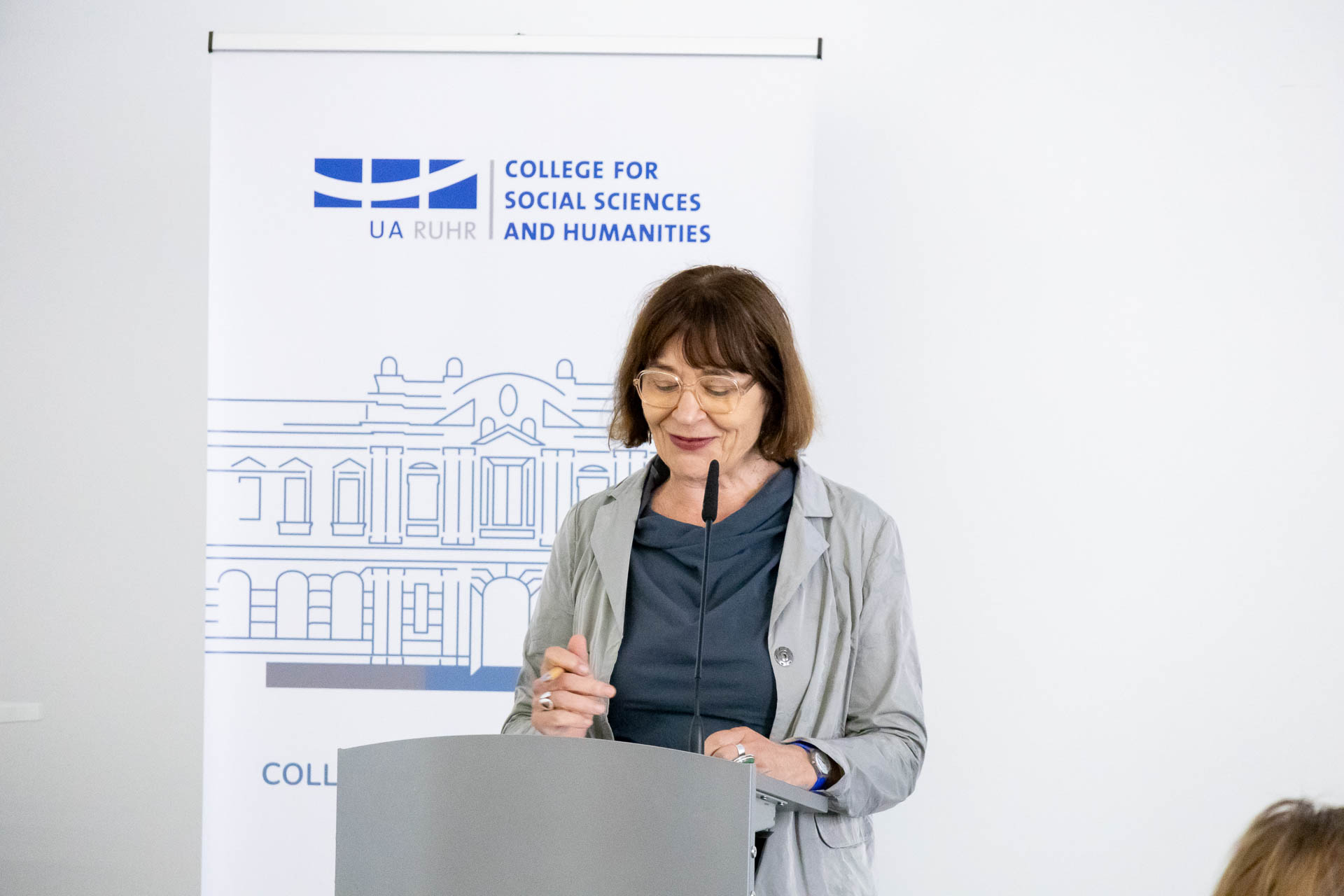
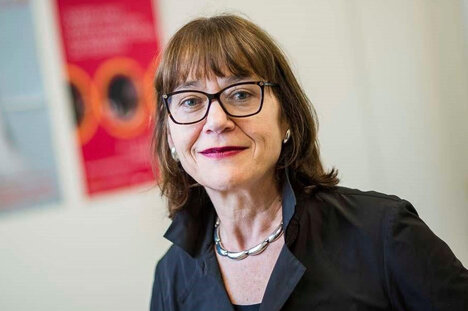
Prof. Astrid Deuber-Mankowsky
Ruhr University Bochum | Media Studies / Gender Studies
E-mail: astrid.deuber-mankowsky@rub.de
 ©
© Damian Gorczany
©
© Damian Gorczany
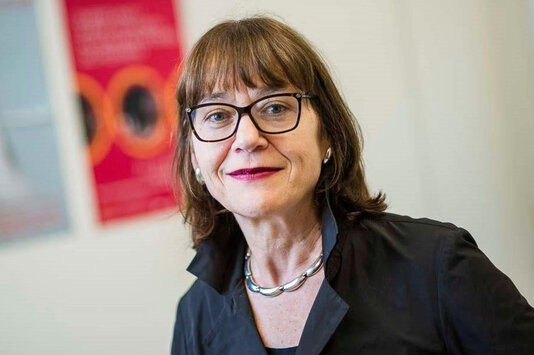
Prof. Astrid Deuber-Mankowsky
Ruhr University Bochum | Media Studies / Gender Studies
E-mail: astrid.deuber-mankowsky@rub.de
Astrid Deuber-Mankowsky is Professor emerita of Media Studies and Gender Studies at Ruhr University Bochum. Before joining Ruhr University Bochum, she taught at the Institut für Kulturwissenschaft at Humboldt-Universität Berlin from 1996 to 2004. She is co-founder and was editor of the journal Die Philosophin. Forum für feministische Theorie und Philosophie from 1990 to 2004. She was a visiting scholar at UC Berkeley, USA (2007), visiting professor at the Centre d’études du vivant, Université Paris VII – Diderot, France (2010), senior fellow at the Internationales Kolleg für Kulturtechnikforschung und Medienphilosophie (IKKM) of the Bauhaus-Universität Weimar, Germany (2013), and Max Kade Professor at Columbia University (2012 and 2017), UC Berkeley (2022), Northwestern University (2023), Johns Hopkins University (2024) and Yale University, USA (2024). She is associate member of the Berlin Institute for Cultural Inquiry (ICI), and spokesperson of the scientific board of the Deutsches Historisches Museum Berlin. Her research focuses on topics in critical, feminist and queer theory, media philosophy and epistemology, temporality and media aesthetics, media anthropology and theories of play, as well as Jewish philosophy.
Website