
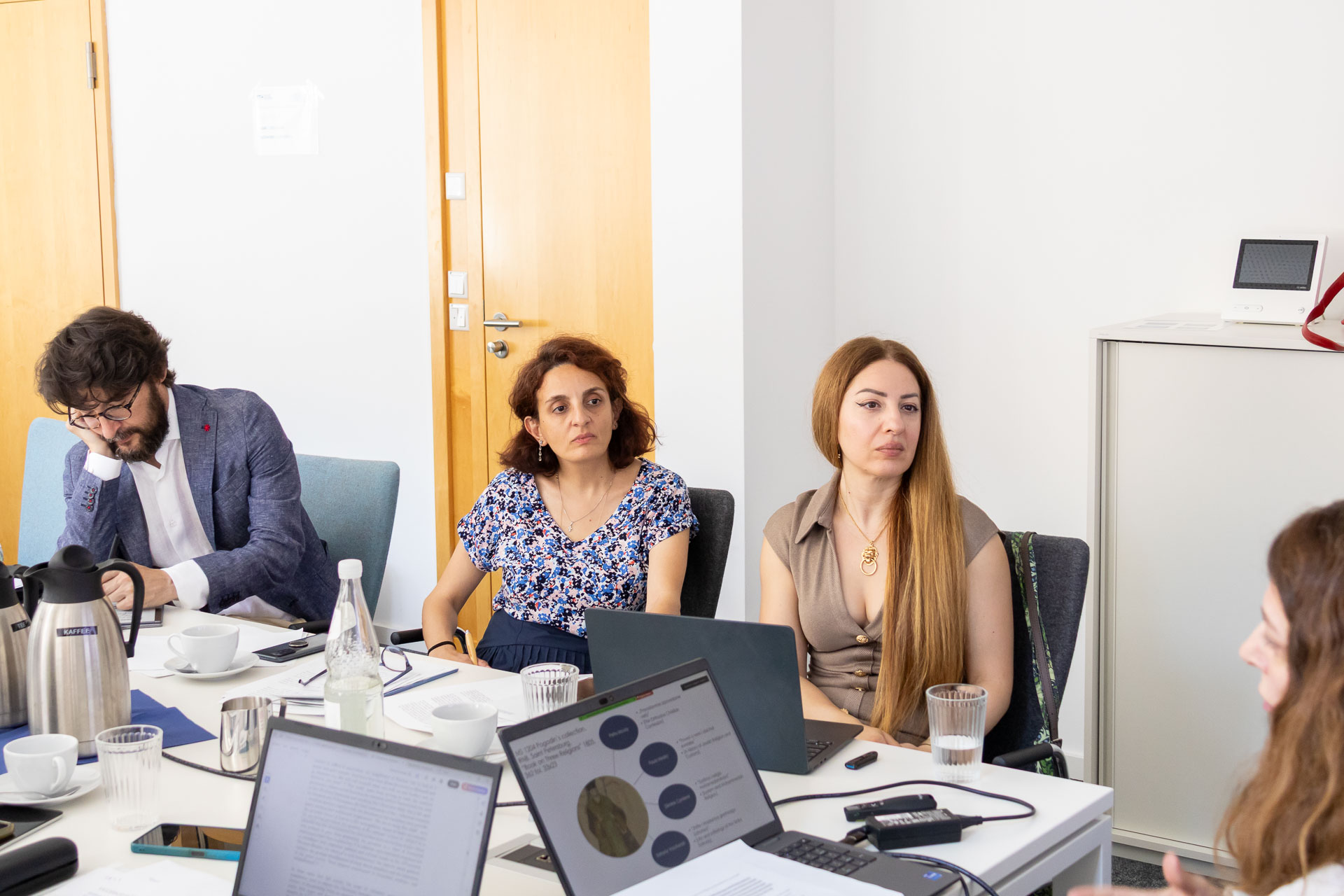
The workshop explores how religious knowledge is transmitted through texts and images as they move between manuscripts and printed forms, and how these processes shape meaning and interpretation. The focus is on authority, authorship, and inter-communal relations in the multi-confessional Ottoman Empire in the 18th century.

The workshop explores how religious knowledge is transmitted through texts and images as they move between manuscripts and printed forms, and how these processes shape meaning and interpretation. It examines translation practices and their historical relevance, as well as the reasons, goals, and contexts behind changes made to original works. The focus will be on authority, authorship, and inter-communal relations in the multi-confessional Ottoman Empire in the 18th century. One example are Armenian translations of Greek Orthodox treatises by Eustratios Argenti on Baptism and the Eucharist.
Particular attention is given to how adaptations influence the circulation and understanding of religious / confessional texts and images, how editorial decisions affect the translation and publication of confessional writings, and how traces of source languages (such as Greek or Latin elements) appear in translated texts. The workshop also considers the scripts and languages used in translations, adaptations, and edited printed materials.
The scope of the workshop includes, but is not limited to:
Introduction
Moderator: Alexandra Cuffel, Ruhr University Bochum (Germany)
10:15
From a Manuscript Chronicle to a Publishing Success: Transitions and Shifts in Confessional Self-understandings and Political Loyalties among the Greek Orthodox Elites, late 16th to early 17th Century
Yorgos Tzedopoulos, University of Ioannina (Greece)
10:45
Editorial Politics and Missionary Practices: Syro-Catholic Literature from Malabar between the Iberian Peninsula and the Eastern Ottoman Provinces
Radu Mustață, The Hebrew University of Jerusalem (Israel)
11:15
Reading between the Lines: Inter-confessional Tensions and Hidden Interventions in Eustratios Argentis’s Treatise on Baptism and its Armenian Translation
Anna Ohanjanyan, Senior Fellow, Matenadaran Institute of Ancient Manuscripts (Armenia)
Margarita Voulgaropoulou, Ruhr University Bochum (Germany)
Coffee Break
Moderator: Margarita Voulgaropoulou, Ruhr University Bochum (Germany)
12:00
Who Watches the Watchers? Translating, Printing, and Censoring the Armenian Catholic Profession of Faith (1642–1678)
Cesare Santus, Università degli Studi di Trieste (Italy)
12:30
Translating Belief, Framing Community: Armeno-Turkish Print and the Critique of Religious Authority
Hülya Çelik, Ruhr University Bochum (Germany)
13:00
Faith in Translation. Jacques Villotte’s Armenian Doctrinal Works and the Language of Catholic Reform
Paolo Lucca, Università Ca' Foscari Venezia (Italy)
Lunch
Moderator: Kathryn Temple, Senior Fellow, Georgetown University (USA)
14:30
Ridicule, Anger and Disgust: Emotional Spectrum in Sofroniy Vrachanski’s Bulgarian Translation of Dimitrie Cantemir’s Treatise on Islam
Nadezhda Alexandrova, Sofia University “St. Kliment Ohridski” (Bulgaria)
15:00
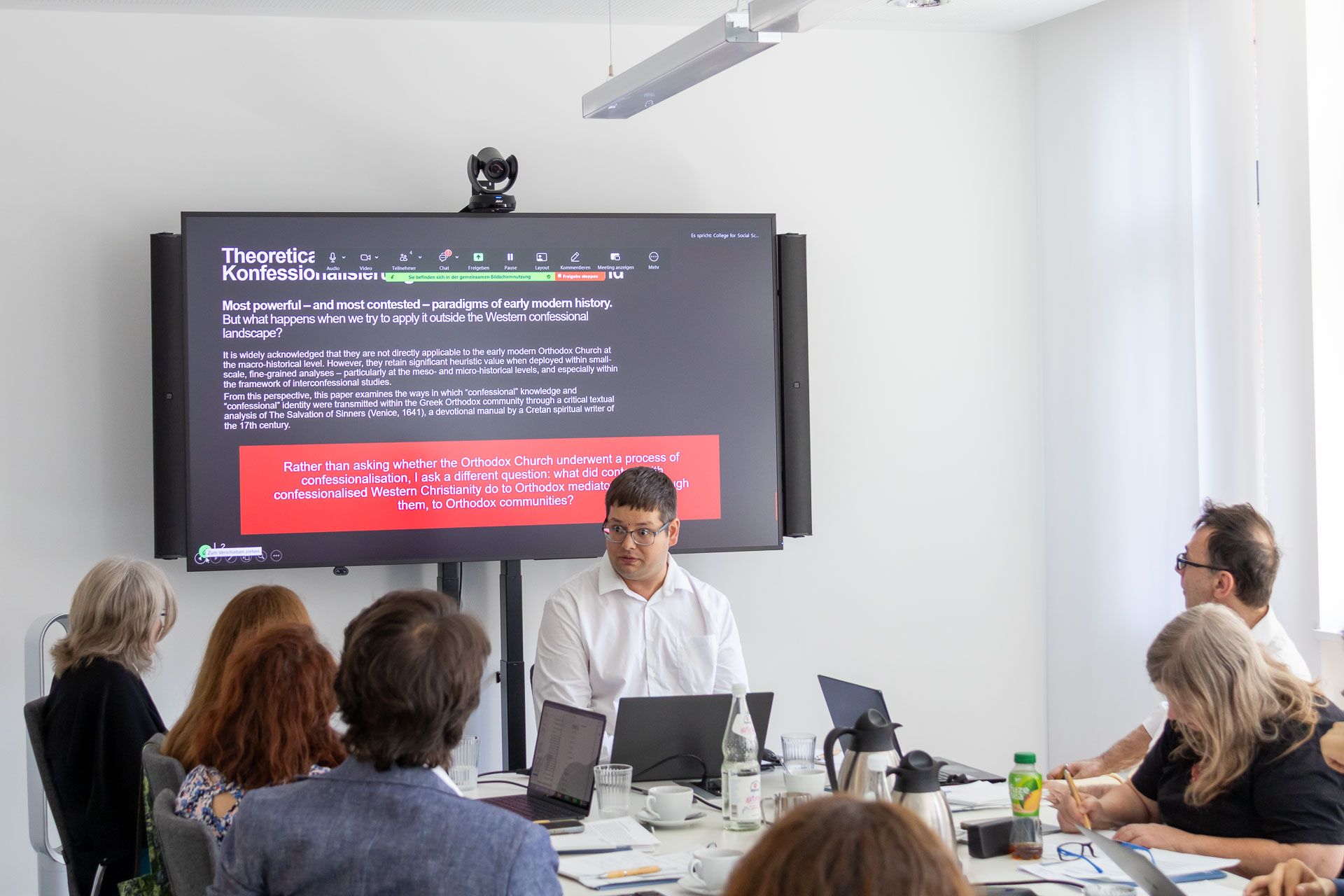
‘Konfessionsbildung’ and Spirituality: Constructing a Modern Orthodox (?) Spirituality, from Manuscript to Print
Ilia Kovalenko, École Pratique des Hautes Études – PSL (France)
15:30
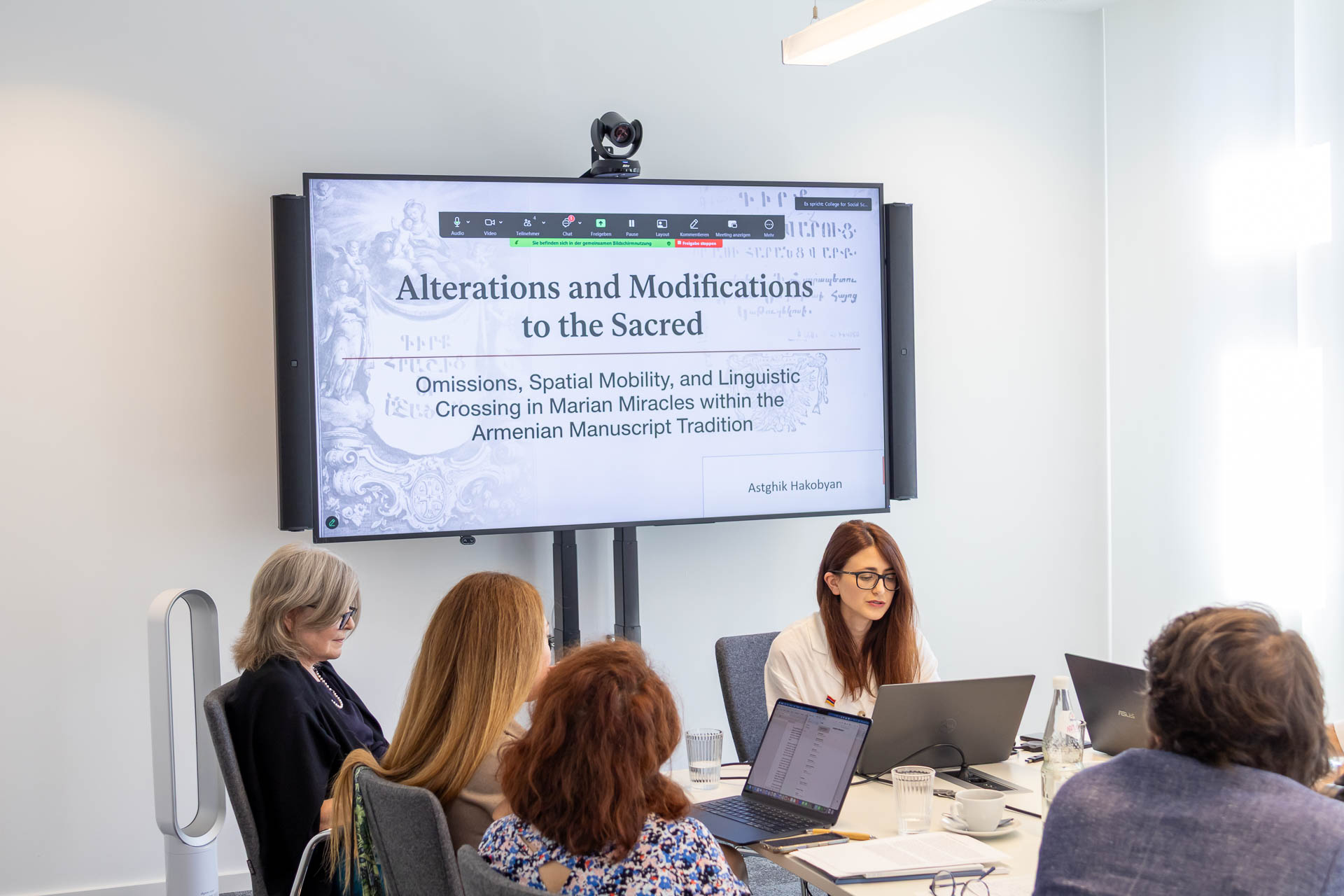
Alterations and Modifications to the Sacred: Omissions, Spatial Mobility, and Linguistic Crossing in Marian Miracles within the Armenian Manuscript Tradition
Astghik Hakobyan, Matenadaran Institute of Ancient Manuscripts (Armenia)
Discussion and final remarks

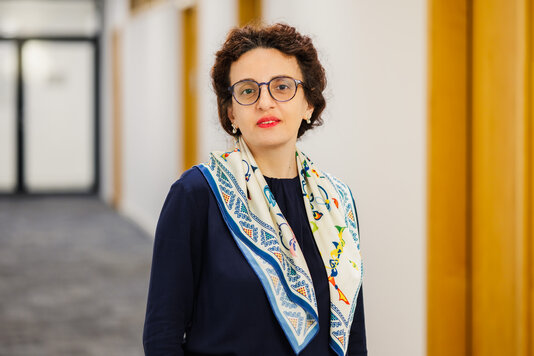
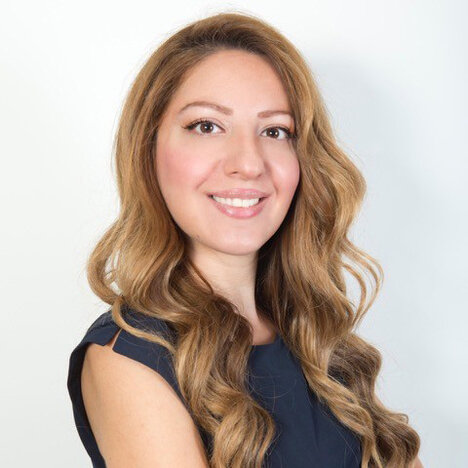
Prof. Anna Ohanjanyan
Mesrop Mashtots Research Institute of Ancient Manuscripts (Armenia) | Historical Theology, Religious Studies
Anna Ohanjanyan holds a PhD in Historical Theology and Religious Studies. She is Head of the Department for the Study of the Armenian Texts of the 15th–19th Centuries at the Mesrop Mashtots Institute of Ancient Manuscripts ‘Matenadaran’ (Armenia), Associate Professor at Yerevan State University, and senior researcher at the Armenian Genocide Museum-Institute.
Anna Ohanjanyan conducted postdoctoral research at the Central European University in Budapest within the ERC project ‘OTTOCONFESSION’ and at the New Europe College (Institute for Advanced Study) in Bucharest. She is the author of the monographs The Book ‘Key of Truth’ and Its Historiographical Significance (YSU Press 2015), and Tōnapatchar (The Causes of Feast Days): Introduction and Text, Part I (Holy Etchmiadzin Press 2016). She is currently preparing her new book entitled Orthodoxy and Orthopraxy in the Armenian Polemical Literature from Ottoman and Safavid Context (17th–18th centuries).
 ©
© Konstantinos Evangelidis
©
© Konstantinos Evangelidis
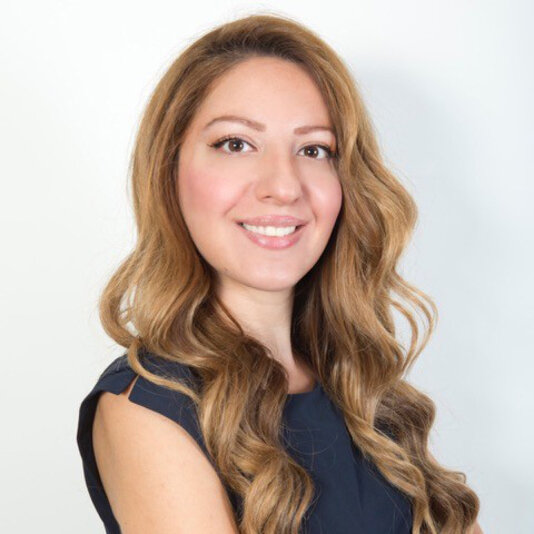
Prof. Margarita Voulgaropoulou
Ruhr University Bochum | Art History, Mediterranean Studies
 ©
© Konstantinos Evangelidis
©
© Konstantinos Evangelidis
Prof. Margarita Voulgaropoulou
Ruhr University Bochum | Art History, Mediterranean Studies
Margarita Voulgaropoulou is Junior Professor of History of Materiality in trans-Mediterranean Contexts at Ruhr-University Bochum as of 2020. Previously, she has worked as a researcher at the Center for Eastern Mediterranean Studies of Central European University, Budapest (Hungary) in the ‘OTTOCONFESSION’ project, and at the Seeger Center for Hellenic Studies, Princeton University (USA). He holds a PhD in Art History from Aristotle University of Thessaloniki (Greece).
Margarita Voulgaropoulou’s research focuses on intercultural encounters and religious conflicts in the Adriatic Sea in the early modern period during the rapid expansion of the Ottoman Empire. Her work seeks to show how the confessional coexistence of Orthodox and Catholic populations on the Adriatic Sea affected material culture. Through the combined examination of archival sources and visual material, with a focus on icon painting, her research traces intersections in the movements of people and objects in order to gain a more comprehensive understanding of the eastern Mediterranean and the Adriatic as spaces of intercultural and transcultural exchange.