
This conference focuses on the societal, legal, and ethical challenges posed by AI and data-driven technologies, including data governance and cybersecurity, across different jurisdictions. Speakers will elucidate the roles of governments, corporations, and civil society and assess policy options at national, regional, and international levels. Discussions will explore how to build inclusive and sustainable digital economies by strengthening data governance, promoting innovation, and closing technological gaps.
This conference examines the opportunities and challenges posed by artificial intelligence, data governance, cybersecurity, and other emerging technologies across different jurisdictions. As AI technologies advance at unprecedented speed, effective governance has become essential to ensuring that their ethical, legal, and societal impacts are responsibly managed. While digitalisation and AI are transforming societies, economies, and political systems, unlocking innovation and efficiency, they are also deepening digital divides and raising urgent questions about accountability, equity and security.
The conference will focus on several interrelated questions:
These questions underscore the need for comprehensive, interdisciplinary responses. States and stakeholders worldwide are responding in diverse ways to the disruptive power of digital technologies, often reflecting differing values, institutional structures, and power configurations. The conference will examine the respective roles of governments, corporations, and civil society, including China’s growing influence in technology governance, and assess critical policy options at national, regional, and international levels to ensure that digital transformation serves the broader public good. Understanding both the convergence and divergence of these approaches requires collaboration across academic research, public policy, the private sector, and civil society.
The conference aims to convene diverse voices to foster a shared understanding of the societal, legal, and ethical challenges posed by AI and data-driven technologies. Discussions will explore how to build inclusive and sustainable digital economies by strengthening data governance, promoting innovation, and closing technological gaps. Particular attention will be given to the ethical, social, and geopolitical implications of AI, including the global spread of digital state capitalism and its effects on power relations, national security, and strategic competition.
By highlighting both the promise and the risks of emerging technologies, the conference seeks to inform policy debates and contribute to the development of digital ecosystems that are innovative, inclusive, and sustainable. Ultimately, it aims to
Arrival & registration
Welcome Address
Julika Griem, Director, College for Social Sciences and Humanities
Introduction
Thomas Feldhoff, Ruhr University Bochum;
Qingxiu Bu, University of Sussex (UK) & Senior Fellow, College for Social Sciences and Humanities
Chair: Franziska Poszler, University of Vienna (Austria)
Artificial Intelligence and the Future of Financial Stability: Regulatory and Supervisory Gaps in the UK Framework
Clara Martins Pereira, University of Durham (UK)
Digital Challenges in the 21st Century: Cryptocurrencies, Authorised Push Payment Fraud, and the Future of Financial Regulation
Thabo Chakaka Nyirenda, Senior Counsel, Republic of Malawi
Who Governs Algorithmic Decisions? Organizational Resilience and Accountability in Data-Driven SMEs
Asma Boujrouf, Cadi Ayyad University Marrakech (Morocco)
Operational Resilience in Data-Driven Finance: Contractual Governance and Delegated Supervision
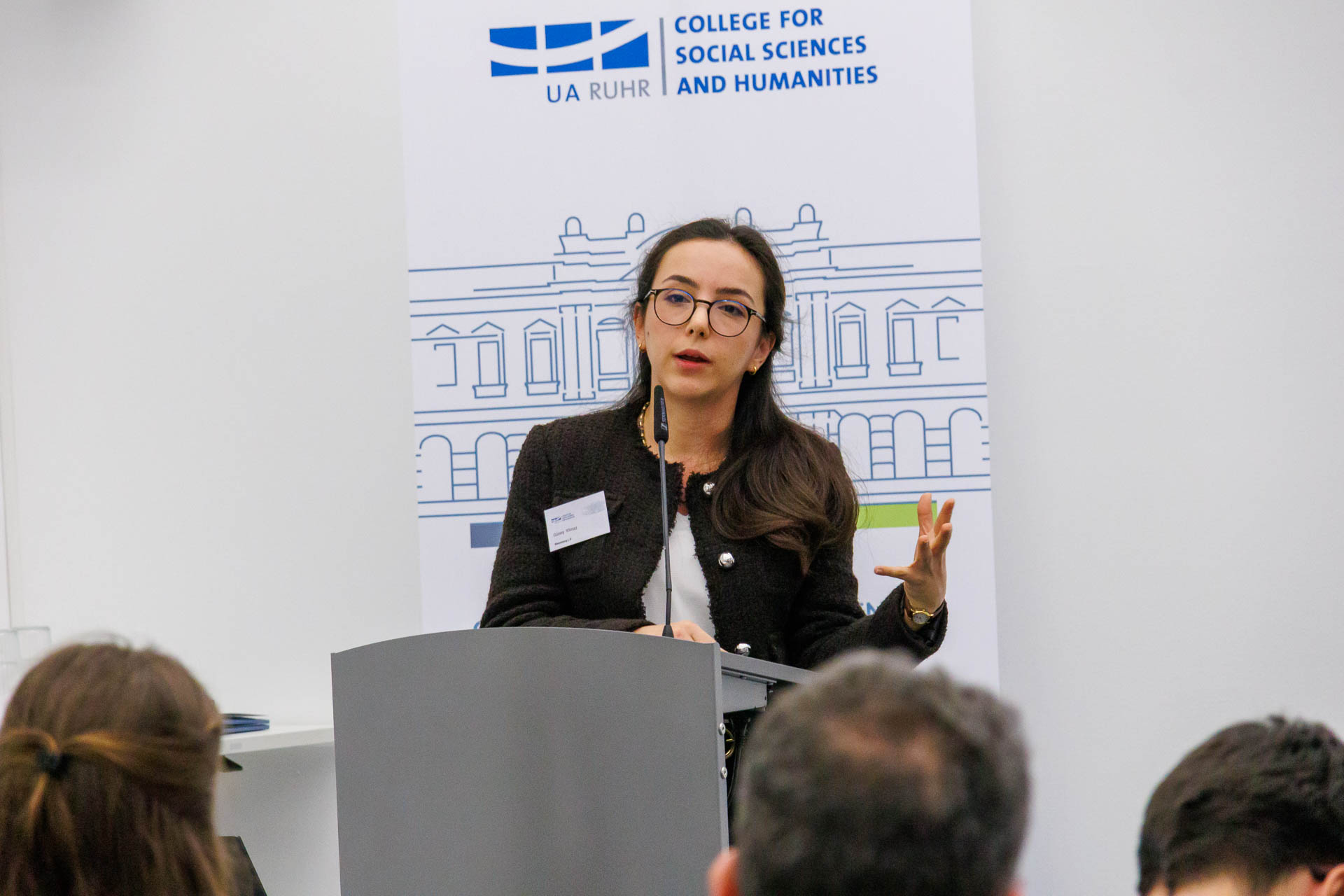
Güneş Yilmaz, Bloomberg L.P., London (UK)
Lunch break & networking
Chair: Jianliang Gao, Imperial College London (UK)
AI Chatbots as Moral Dialogue Partners: Opportunities, Risks, Governance, and Inclusive Design
Franziska Poszler, University of Vienna (Austria)
Policy Narratives in the EU’s Digital Decade: A Commission Mandate of Simplification and Competitiveness
Annelotte van Beek, Radboud University (the Netherlands)
Regulating Artificial Intelligence in Medical Devices in the European Union
Aino Kaisla Maria Summa, Aalto University (Finland)
Discourse Competition and Generative AI: Content Governance, Power, and Accountability in China
Zheyu Shang, Leiden University (the Netherlands)
One Definition, Big Consequences: What Counts as 'Transparency' in EU AI Governance?
Malek Ferjani, University of Antwerp (Belgium)
Coffee break & networking
The Ethics of Artificial Intelligence: Challenges and Opportunities
Christoph Lütge, Director of the Institute for Ethics in Artificial Intelligence (IEAI), Technical University of Munich (Germany)
End of first conference day
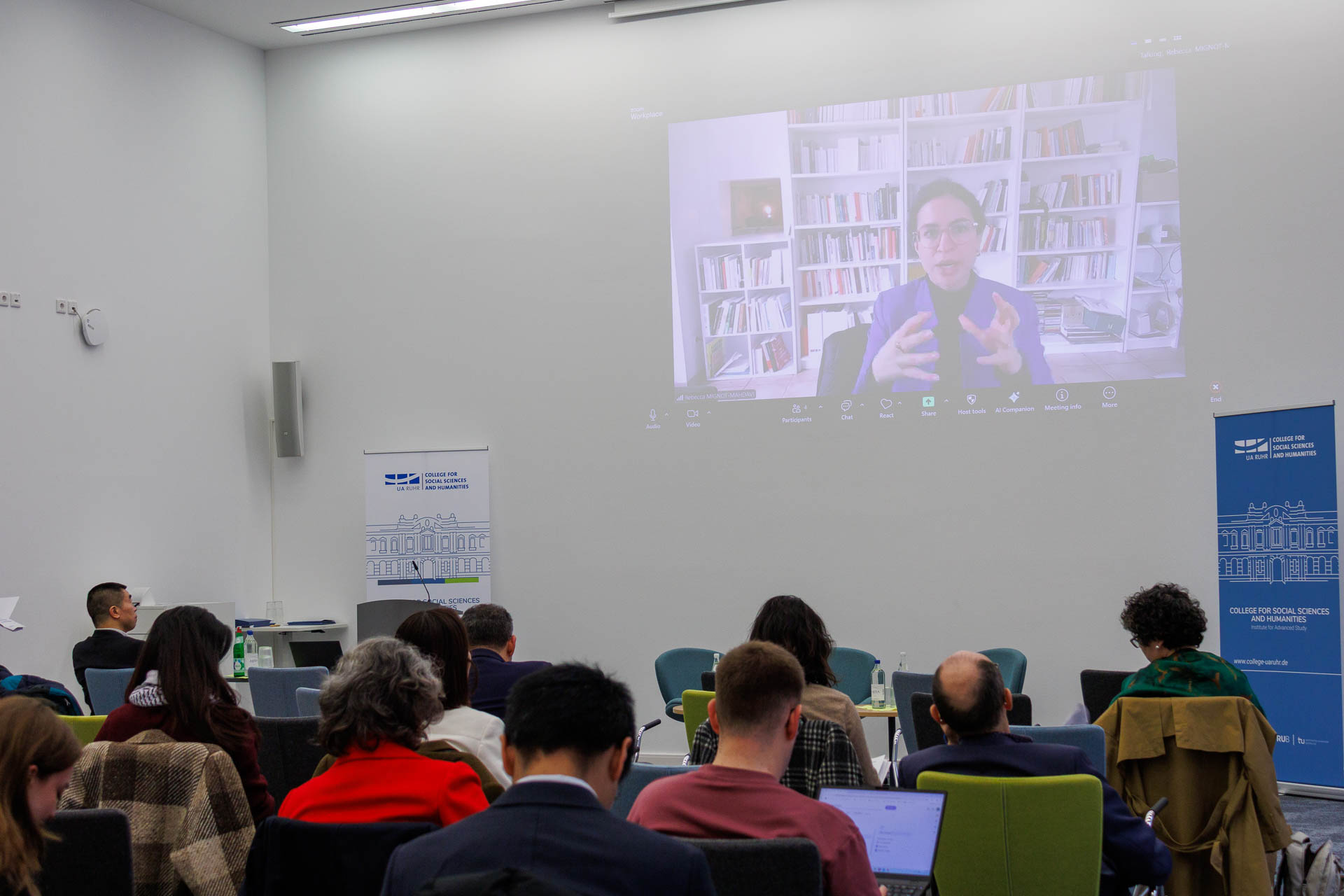
Governing AI Through Generalised Suspicion
Rebecca Mignot-Mahdavi, Sciences Po Law School, Paris Institute of Political Studies (France)
Chair: Annelotte van Beek, Radboud University (the Netherlands)
Market For Speech: Rethinking Antitrust Responses to Platform Content Control in the Age of AI
Yibo Li, Antwerp Centre for Responsible AI, University of Antwerp (Belgium)
Regulatory Challenges and Cooperation for Cross-Border Carbon Emission Data Flows
Sui Jun, Shenyang Normal University (China)
Cross-Cultural Validity of ESG Data and AI-Assisted Assessments
Qiao Cong-rui, Law & Sustainability (the Netherlands);
Zhang Qingrui, KPMG (the Netherlands)
The Impact of Agentic AI on the Reasonable Duty of Information Security
Moufid El-Khoury, Sultan Qaboos University (Oman)
Coffee break & networking
Chair: Güneş Yilmaz, Bloomberg L.P., London (UK)
Governing AI through Infrastructure and Participation: China, Negotiated Openness, and the Global Future of AI Governance
Dechun Zhang, University of Copenhagen (Denmark)
"Not All the Roads Lead to Singularity" – The Differences between American and Chinese AI
Santiago Suárez García, independent researcher (the Netherlands)
Reproducibility-as-Governance for GenAI in UK Higher Education and Research
Jianliang Gao, Imperial College London (UK)
Children’s Data Protection in the AI-Based Education: A Comparative Analysis in China and the EU
Xiaotong Bing, University of Antwerp (Belgium)
The Virtuous Tribunal: Algorithmic Opacity and the Corrosion of Judicial Character
Rabaï Bouderhem, Prince Mohammad Bin Fahd University (Saudi Arabia) & Université Bourgogne Europe (France);
Expert for the European Commission DG CNECT Study on the EU’s critical digital capacities deployment beyond 2027
Closing
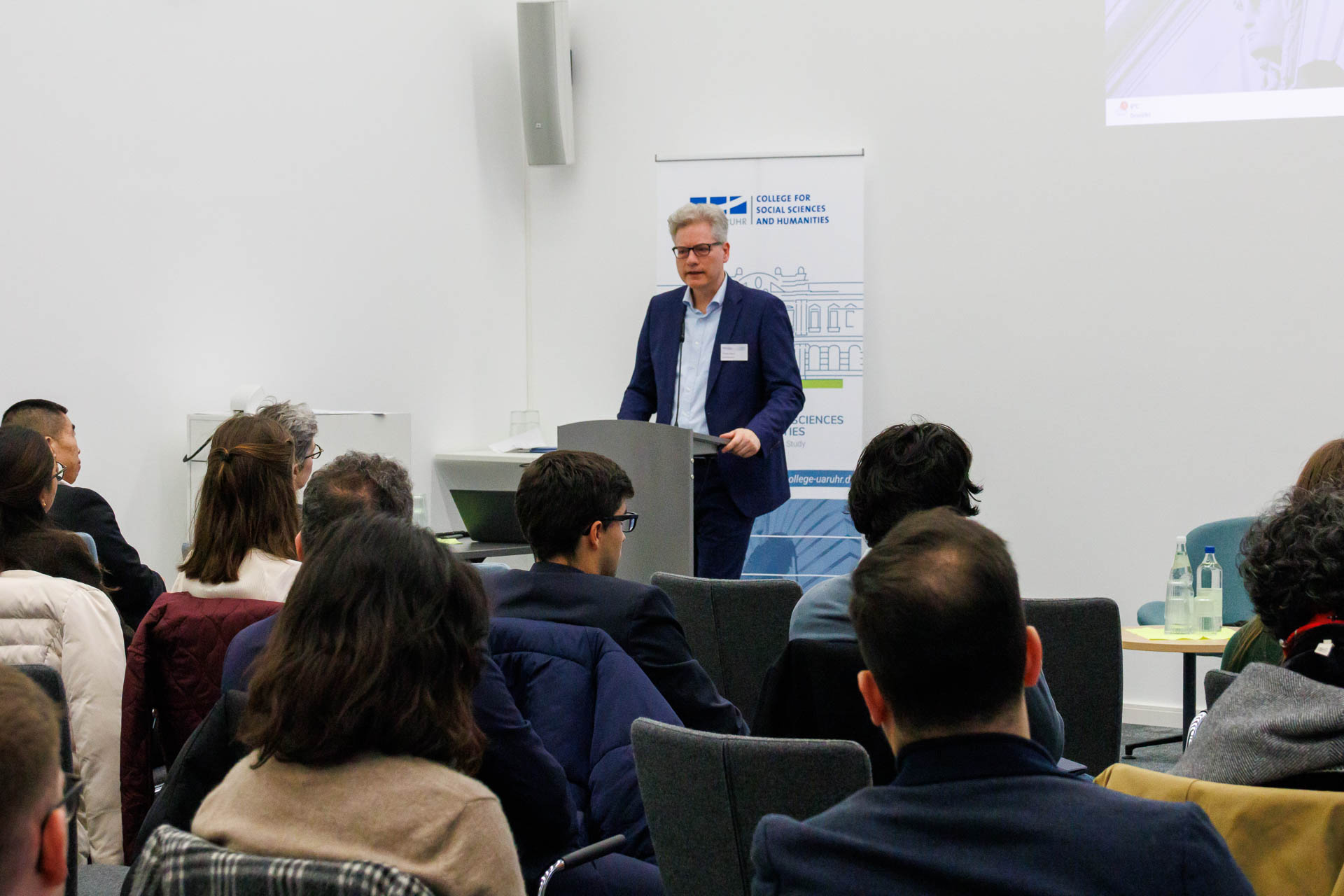
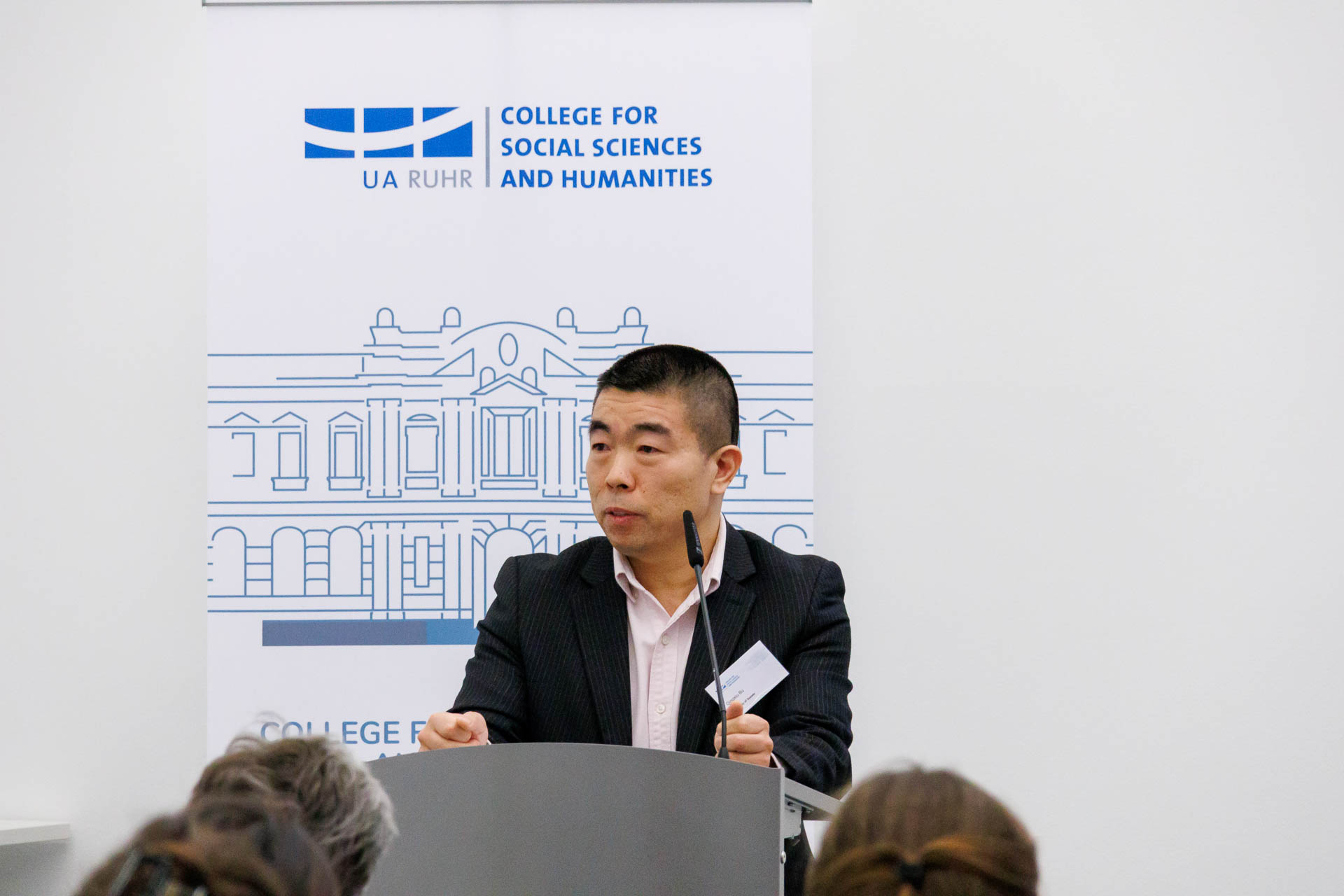
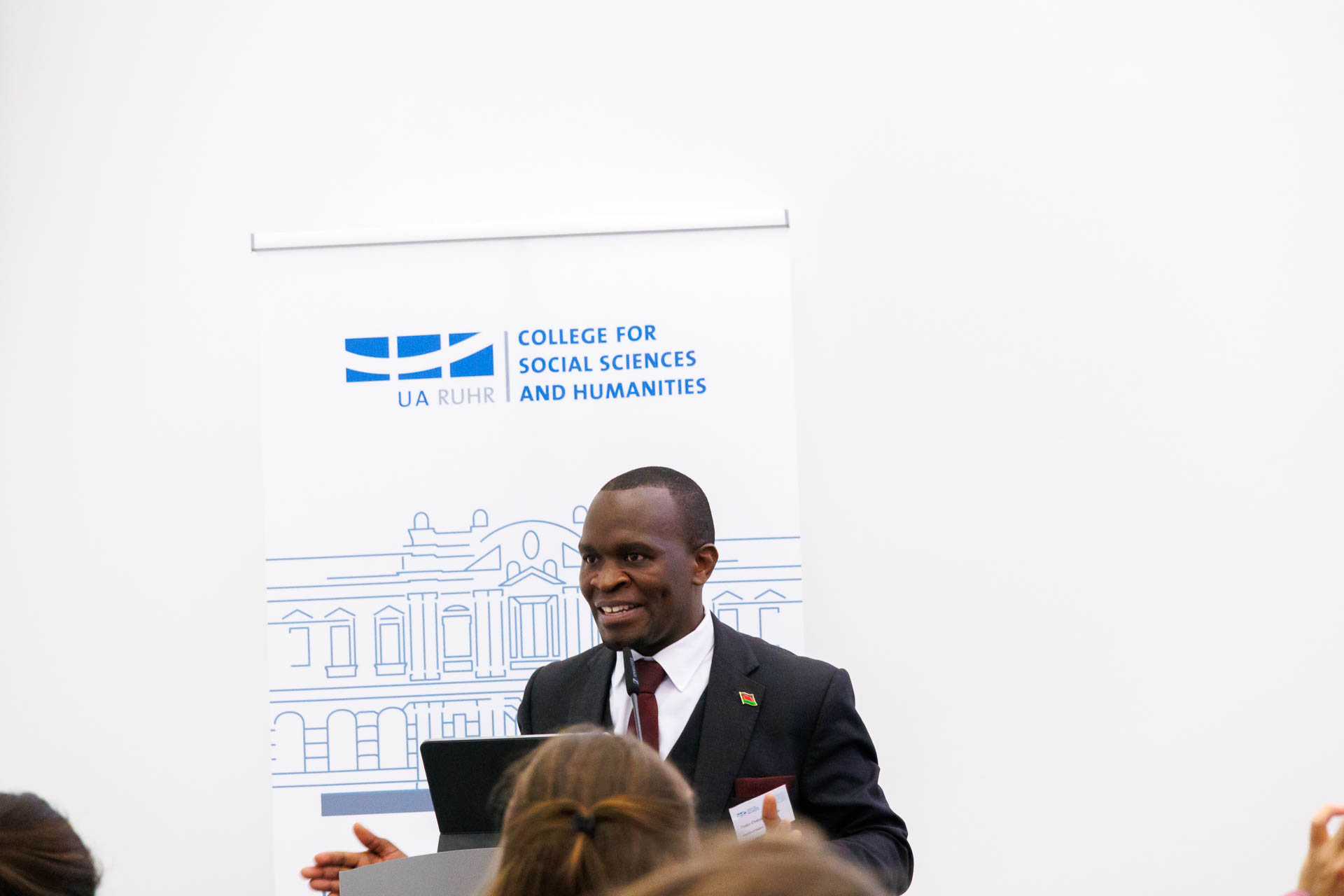


Prof. Qingxiu Bu
University of Sussex (UK) | Global Law
Qingxiu Bu is Reader in Global Law at the School of Law, Politics and Sociology at the University of Sussex, UK. He has published widely in a variety of areas of law, many of which are themed around law and global challenges, with a particular focus on the development of legal infrastructures in transnational law and global governance. He has previously been a lecturer in law at Cardiff Law School of Cardiff University and the School of Law at Queen’s University Belfast (UK), during which he taught transnational business law at the Centre of Transnational Legal Studies (CTLS), Georgetown University (USA) as Adjunct Professor. Qingxiu Bu was appointed as Li Kashing Professor of Practice at the Faculty of Law, McGill University (Canada) in 2019. He has held visiting posts at various institutions, including Lund University (Sweden), Tel Aviv University (Israel) and the Max Planck Institute for Comparative and International Private Law in Germany.
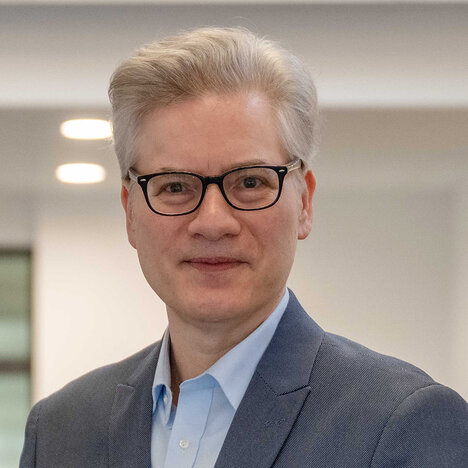
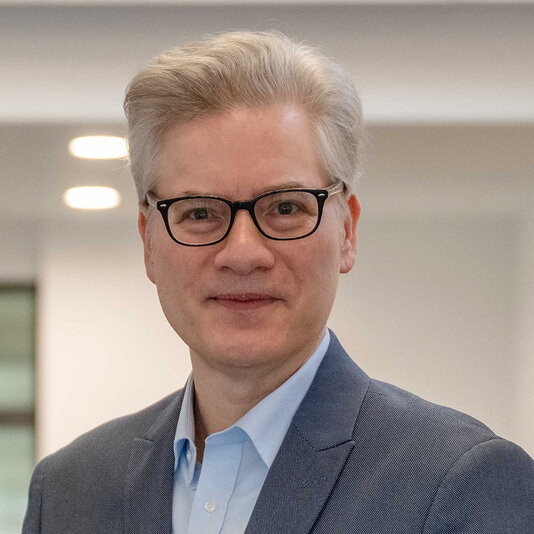
Thomas Feldhoff is Professor of Human Geography at the Faculty of Geography and Geosciences, Ruhr University Bochum. After graduating from East Asian Studies with a regional focus on Japan, he received his PhD in Geography at the University of Duisburg in 1999. He habilitated at the University of Duisburg-Essen in 2004 with a thesis on the institutional foundations of construction lobbyism in Japan. He received the 2006 JaDe Award of the Association for the Promotion of Japanese German Cultural Relations (JaDe) and a Book Prize of the European Association for Japanese Studies (EAJS) in 2008 for his publication Bau-Lobbyismus in Japan.
Before joining Ruhr University Bochum in April 2016, Thomas Feldhoff held senior faculty positions at universities in Germany, the UK and Japan. His research and teaching today focuses on the nexus of georesources, sustainability and geopolitics with regard to sociotechnical transitions. It is based on a relational, multi-scalar, comparative perspective that looks into the ties to wider politics of territoriality, state, economy, science, and nature.
Thomas Feldhoff is Coordinator and Co-Director of the Erasmus Mundus Joint Master Redesigning the Post-Industrial City (EMJM RePIC), an inter-university, multidisciplinary study programme run by eight partners of the European University Alliance UNIC – The European University of Cities in Post-Industrial Transition.